The Different Types of Hob Explained with Pros and Cons!
Choosing the right hob is one of the most important decisions in a kitchen, yet it’s also one of the most misunderstood. Gas, ceramic, induction and other hob types may look similar at a glance, but they differ significantly in how they cook, how efficient they are, how they integrate into worktops, and what kind of user they suit best.
At Kitchen Experts, we’re a nationwide network of independent kitchen specialists working with homeowners every day. Rather than installing or manufacturing appliances ourselves, we draw insight from hundreds of real kitchen projects specified by our partner retailers. This gives us a clear, experience-led view of how different hob types perform in real homes — including common mistakes, long-term satisfaction, and what buyers often wish they’d known sooner.
This guide explains the different types of hob, how they work, their pros and cons, and which scenarios each one is best suited to. Whether you’re renovating a kitchen, replacing an existing hob, or comparing options before speaking to a local specialist, this article is designed to help you make a confident, well-informed decision.
What Is a Hob?
A hob is the cooking surface used to heat pots and pans, typically installed into a kitchen worktop above an oven or base unit. Hobs use different heat sources — such as gas flames, electric heating elements or electromagnetic fields — to cook food. The type of hob you choose affects cooking speed, energy efficiency, safety, cleaning and overall kitchen design.

Different Types of Hob: Gas Hobs
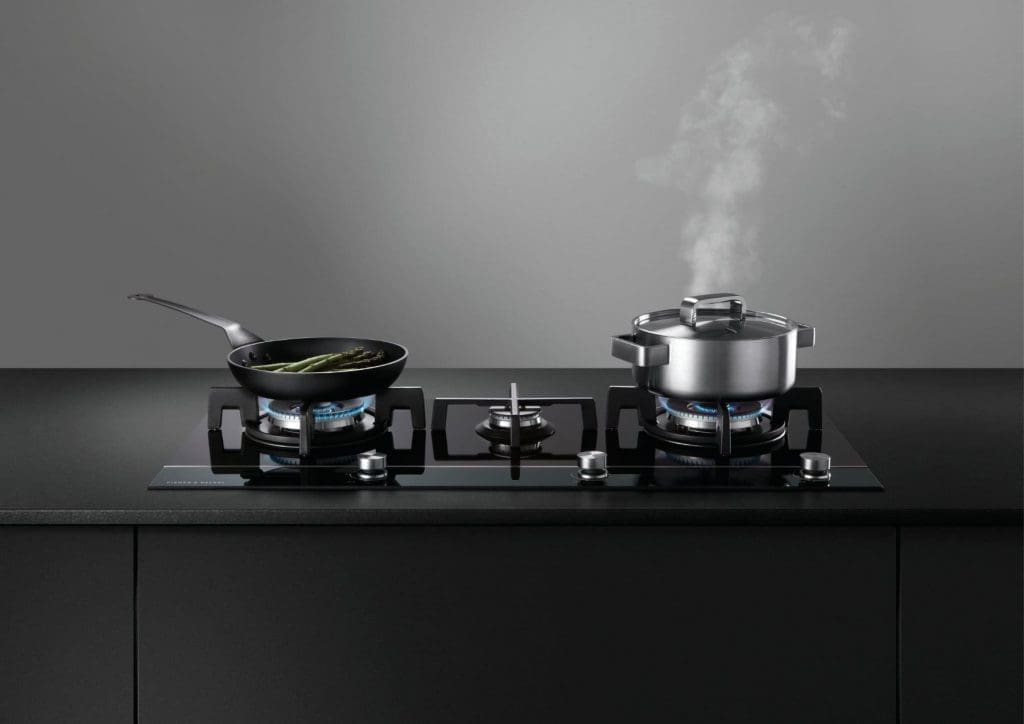
Gas hobs use an open flame powered by mains gas or bottled LPG to heat cookware directly.
Key characteristics
- Instant heat and visible flame control
- Works with almost all cookware
- Independent burners allow flexible cooking
Pros
- Precise, responsive temperature control
- Favoured by many traditional and keen cooks
- Continues to work during power cuts
Cons
- Less energy efficient than induction
- More difficult to clean due to pan supports
- Requires a gas connection and ventilation consideration
Best for:
Homes with an existing gas supply, traditional cooks, or users who prefer tactile control and visual feedback.
Different Types of Hob: The Ceramic Hob
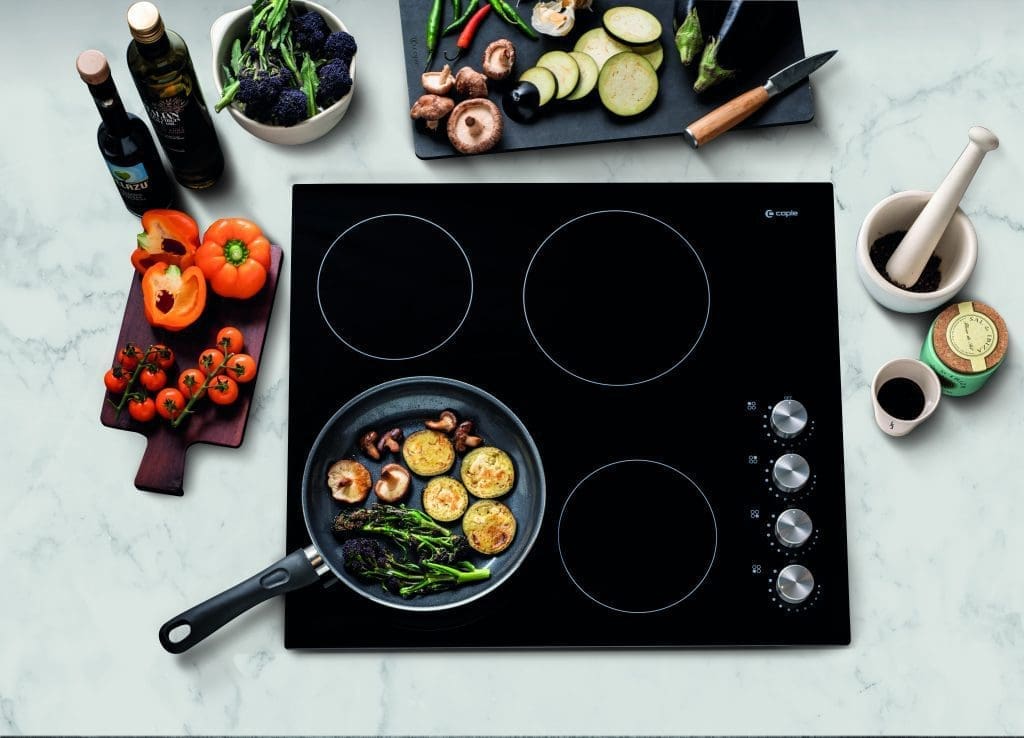
Ceramic hobs are electric hobs with a smooth glass surface and heating elements underneath.
Key characteristics
- Flat glass surface with marked cooking zones
- Uses radiant heat
- Compatible with most pans
Pros
- Sleek appearance
- Easier to clean than gas
- Generally lower upfront cost than induction
Cons
- Slower heat-up and cool-down
- Residual heat can be a safety concern
- Less energy efficient than induction
Best for:
Budget-conscious renovations, rental properties, or users wanting a clean, modern look without switching cookware.
Different Types of Hob: The Induction Hob
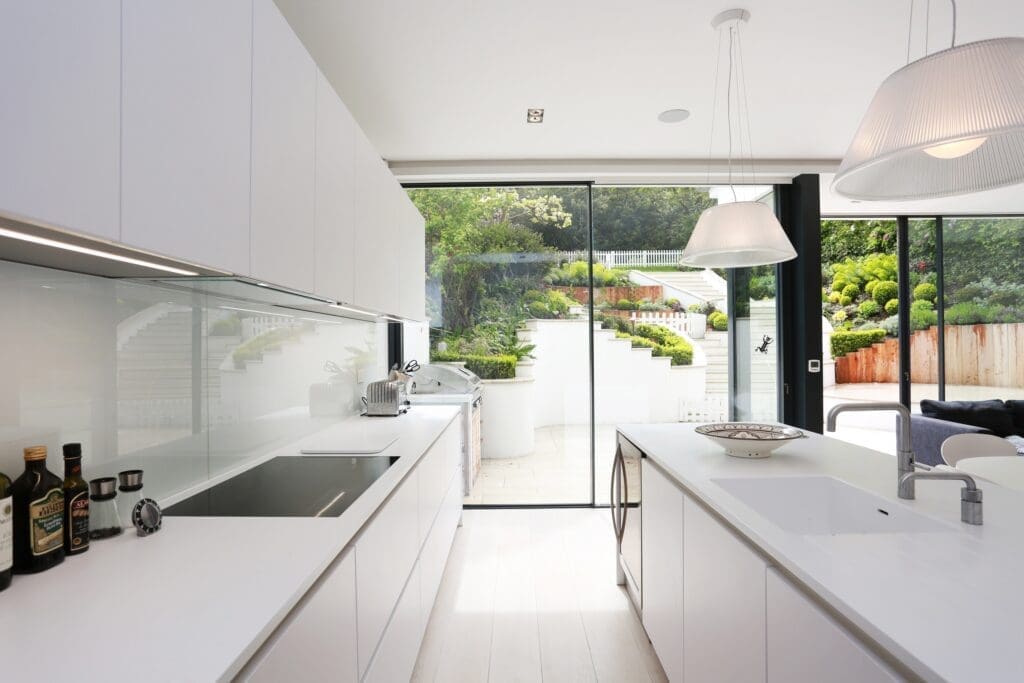
Induction hobs use electromagnetic technology to heat the pan directly, rather than the hob surface.
Key characteristics
- Only heats compatible magnetic cookware
- Hob surface stays relatively cool
- Very fast heat response
Pros
- Extremely energy efficient
- Fast cooking times
- Safer for households with children
- Easy to clean
Cons
- Higher upfront cost
- Requires induction-compatible pans
- Can require electrical upgrades in older homes
Best for:
Modern kitchens, energy-conscious households, families, and users who value speed and control.
Different Types of Hob: The FlexInduction Hob
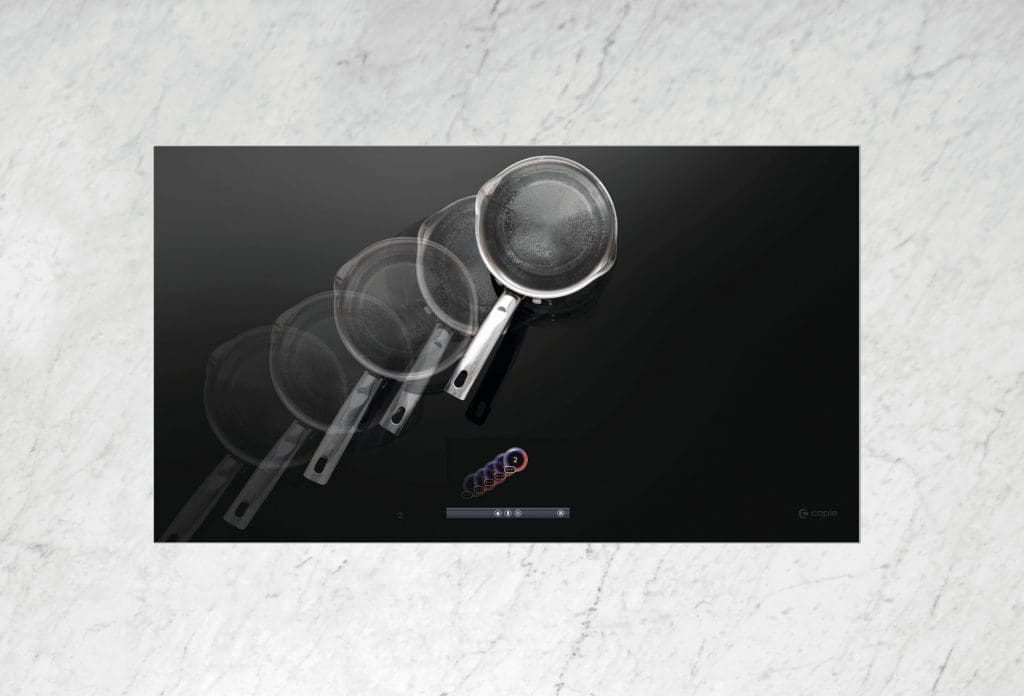
Flex induction hobs (sometimes called flex zone or flexible induction hobs) are an advanced form of induction cooking. Instead of fixed circular zones, they use multiple smaller induction coils that can automatically detect the size, shape and position of cookware.
Key characteristics
- Multiple induction coils across a larger cooking area
- Zones adapt to different pan sizes and shapes
- Works only with induction-compatible cookware
Pros
- Extremely flexible cooking space
- Ideal for large pans, griddles or fish kettles
- Maintains the speed and efficiency of standard induction
- Sleek, minimalist appearance
Cons
- Higher purchase cost than standard induction
- Can be less intuitive for first-time users
- Still requires compatible cookware and suitable electrical capacity
Best for:
Serious home cooks, larger households, and modern kitchens where flexibility and performance are priorities.
Different Types of Hob: Venting Hobs
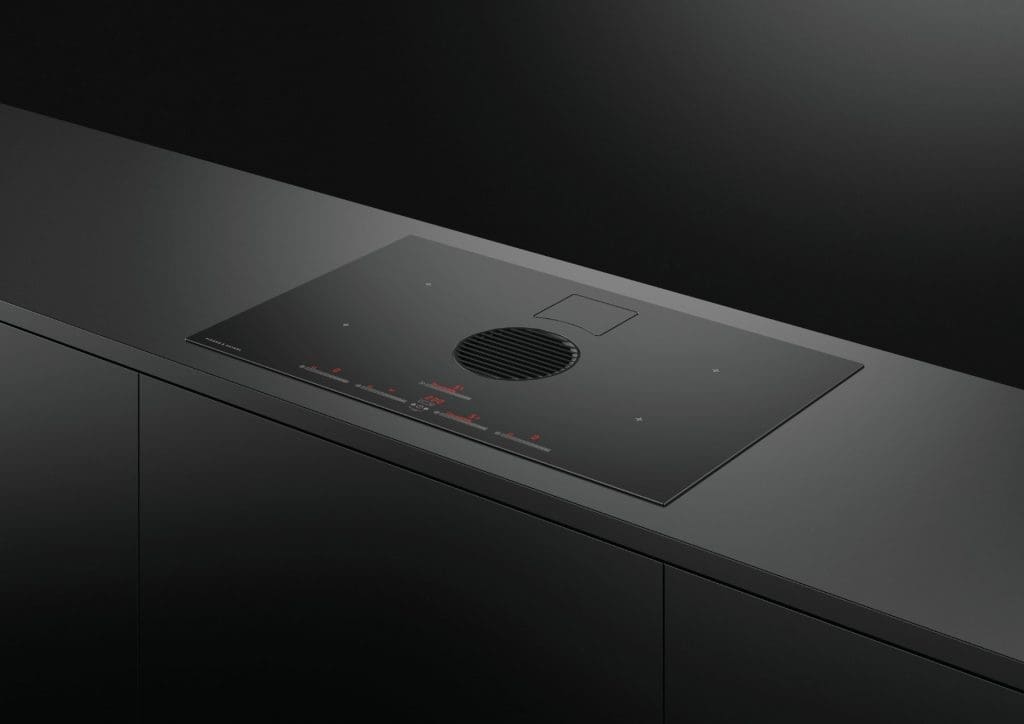
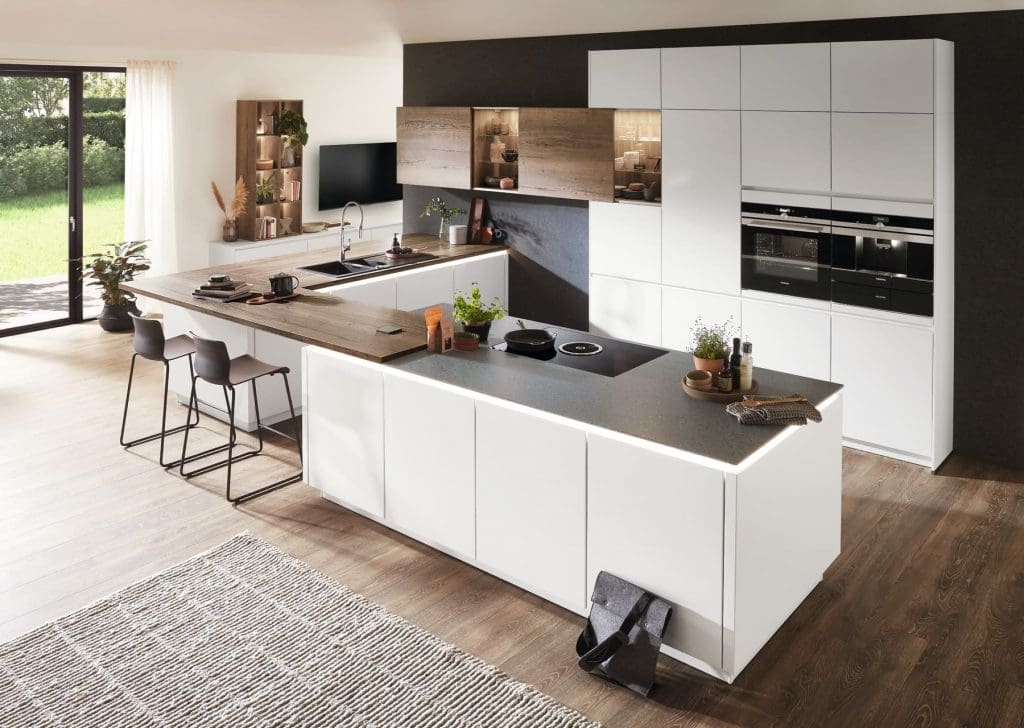
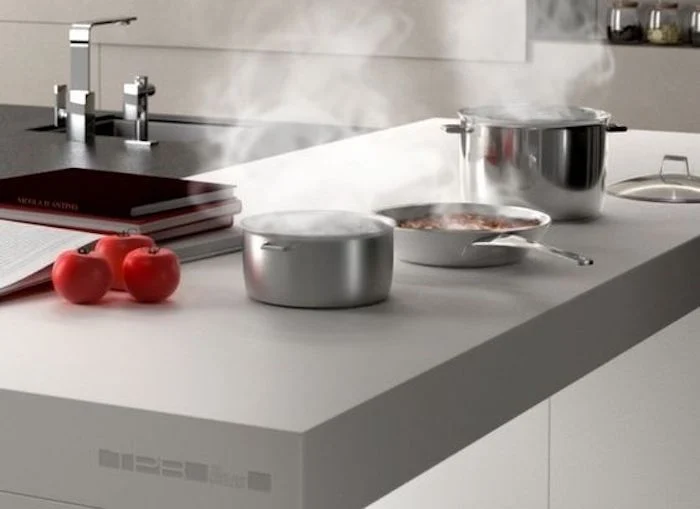
Venting hobs combine an induction hob with a built-in extractor fan, removing cooking vapours directly from the hob surface rather than using a separate cooker hood.
They are most commonly based on induction technology, with a central or side-mounted extraction vent that draws steam, grease and odours downwards.
Key characteristics
- Induction hob with integrated extractor
- Downdraft ventilation system
- Can operate in ducted or recirculating mode
Pros
- Removes the need for a wall or ceiling-mounted hood
- Creates a cleaner, more open kitchen design
- Effective extraction close to the cooking surface
- Particularly popular in island layouts
Cons
- Higher cost than standard induction hobs
- Requires careful planning for ducting or filter access
- Reduced cupboard or drawer space below the hob
- Performance can vary by model and installation setup
Best for:
Kitchen islands, open-plan layouts, and design-led kitchens where visual simplicity and clear sightlines are priorities.
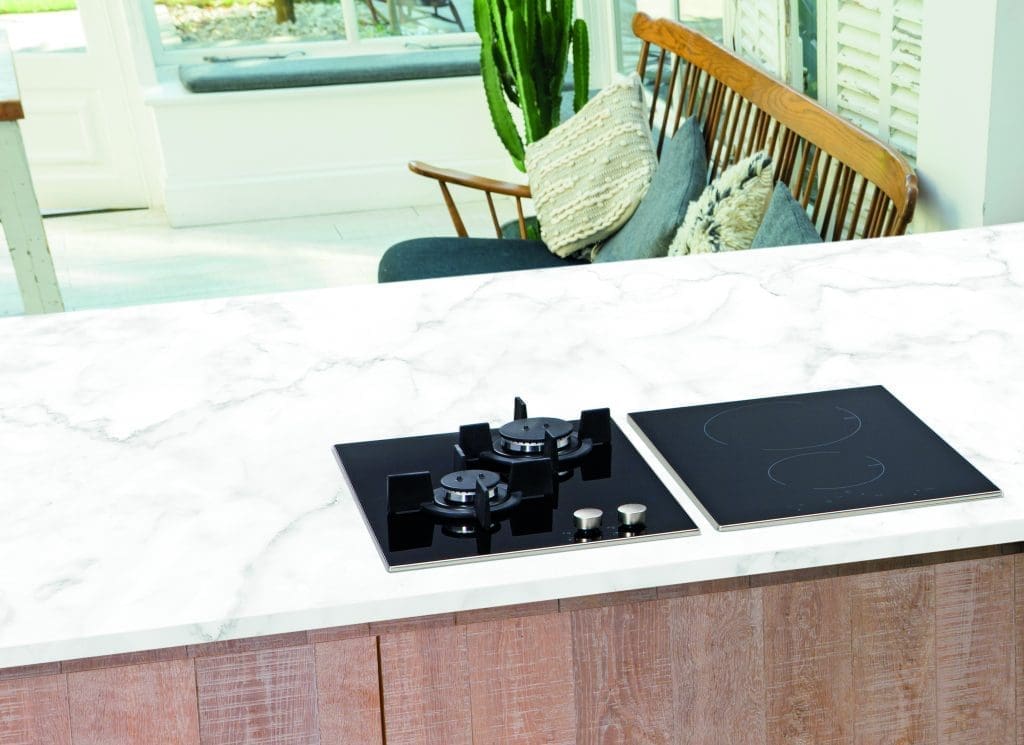
Different Types of Hob: Domino Hobs
Domino hobs are narrow modular hobs, usually around 30cm wide, designed to be combined with others.
Key characteristics
- Available in gas, induction or specialist formats
- Installed alongside other modules
- Flexible layout options
Pros
- Highly customisable
- Ideal for compact kitchens
- Can mix cooking styles (e.g. gas + induction)
Cons
- More expensive per cooking zone
- Less space per module
- Not ideal for heavy batch cooking
Best for:
Small kitchens, bespoke designs, or users wanting a tailored cooking layout.
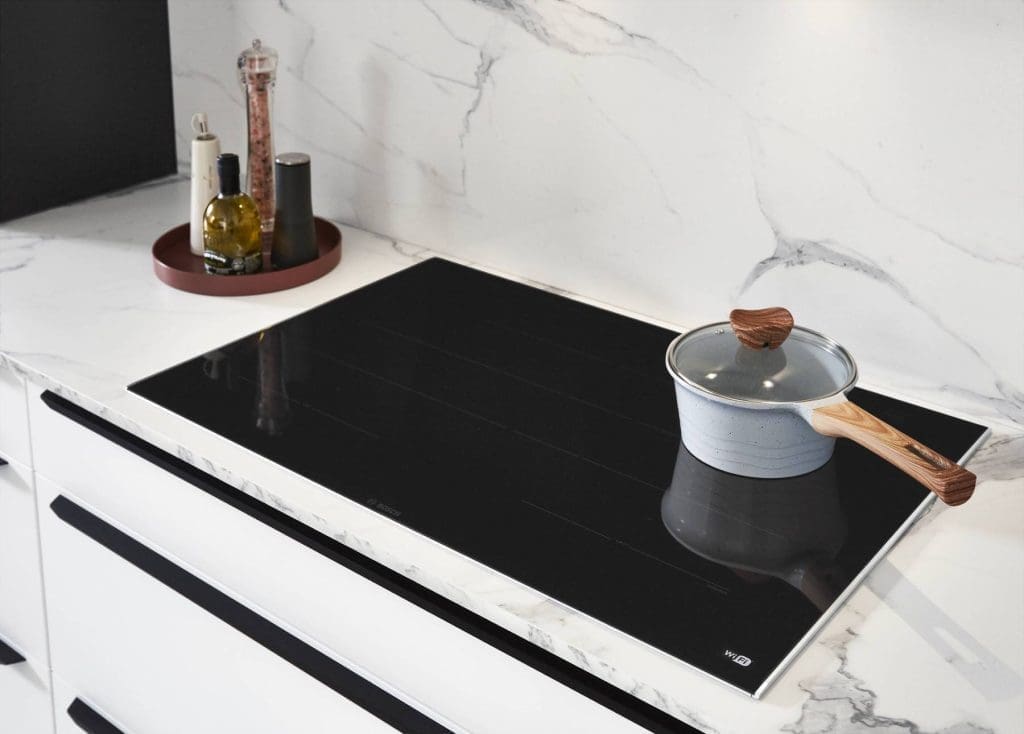
Different Types of Hob: Solid Plate Hobs (Less Common)
Solid plate hobs use traditional cast iron electric plates.
Pros
- Durable
- Works with any cookware
Cons
- Slow to heat and cool
- Least energy efficient
- Largely outdated in modern kitchens
Best for:
Rarely specified today; mainly found in older properties.
Different Types of Hob: Halogen Hobs
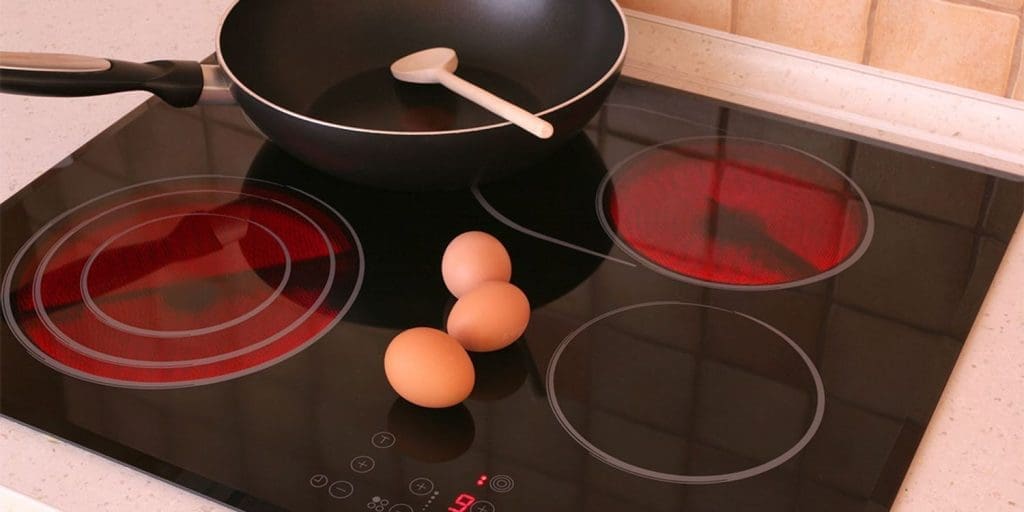
Halogen hobs are a type of electric hob that use halogen lamps beneath a glass surface to generate heat. They look similar to ceramic hobs but heat up more quickly due to the halogen elements.
Key characteristics
- Smooth glass surface
- Uses halogen lamps as the heat source
- Works with most types of cookware
Pros
- Faster heat-up than traditional ceramic hobs
- Flat surface is relatively easy to clean
- Compatible with a wide range of pans
Cons
- Less energy efficient than induction
- Slower to cool down, with residual heat remaining
- Increasingly uncommon in modern kitchen designs
Best for:
Replacement situations in older kitchens, or homes where an existing halogen hob is being swapped on a like-for-like electrical setup.
Scenario-Based Hob Selection
- Busy family kitchen: Induction hob (speed, safety, easy cleaning)
- Traditional cook or chef: Gas hob (visual flame control)
- Rental or budget update: Ceramic hob
- Compact apartment: Domino or 60cm induction
- Energy-efficient renovation: Induction with suitable electrical provision
- Frequent entertaining or large cookware: Flex induction hob
- Kitchen islands or open-plan kitchens: Venting hob
- Replacing an older electric hob: Halogen hob (like-for-like upgrade)
Final Thoughts
There’s no single “best” hob — only the best hob for your cooking style, kitchen layout and household needs. Understanding how each type works, and where its strengths and limitations lie, makes it far easier to choose confidently. Speaking with a local kitchen specialist can also help you assess electrical capacity, ventilation requirements and layout considerations before committing.
Written by: Kitchen Experts Editorial Team
Reviewed by: Independent kitchen specialists within the Kitchen Experts network
Last updated: 29/01/26

Different Types of Hob Explained: FAQ’s
What is the most energy-efficient type of hob?
Induction hobs are generally the most energy-efficient because they heat the pan directly rather than the surrounding surface.
Do induction hobs need special pans?
Yes. Induction hobs require cookware with a magnetic base, such as cast iron or certain stainless steels.
Are gas hobs being phased out in the UK?
There are discussions around reducing gas use in new homes, but gas hobs are not currently banned in existing properties.
Which hob is easiest to clean?
Induction hobs are usually the easiest to clean due to their flat surface and lack of residual heat.
Is a ceramic hob the same as induction?
No. Ceramic hobs use radiant heat, while induction hobs use electromagnetic technology.
Can I replace a gas hob with induction?
Often yes, but it may require electrical upgrades. A kitchen specialist can advise based on your home.
Do venting hobs work as well as cooker hoods?
Venting hobs can be very effective when correctly specified and installed, but performance varies by model, ducting length and whether the system is ducted or recirculating.