Kitchen Island vs Peninsula: Which Will Work Best for Your Space?
Choosing between a kitchen island and a kitchen peninsula is one of the most important layout decisions you will make when planning a new kitchen. The right choice shapes how the room functions day to day, how people move through the space, and how comfortably the kitchen supports cooking, dining, working, and socialising.
While kitchen islands often steal the spotlight in design magazines, neither option is universally better, and peninsulas remain a highly practical and stylish solution for many UK homes. The key is understanding how each layout works, how it fits your space, and how a professional kitchen designer can refine the concept into a layout that genuinely suits your home and lifestyle.
This guide compares kitchen islands and peninsulas in detail, helping you decide which option works best for your home, your space, and the way you live.
Understanding the Difference: Kitchen Island vs Peninsula
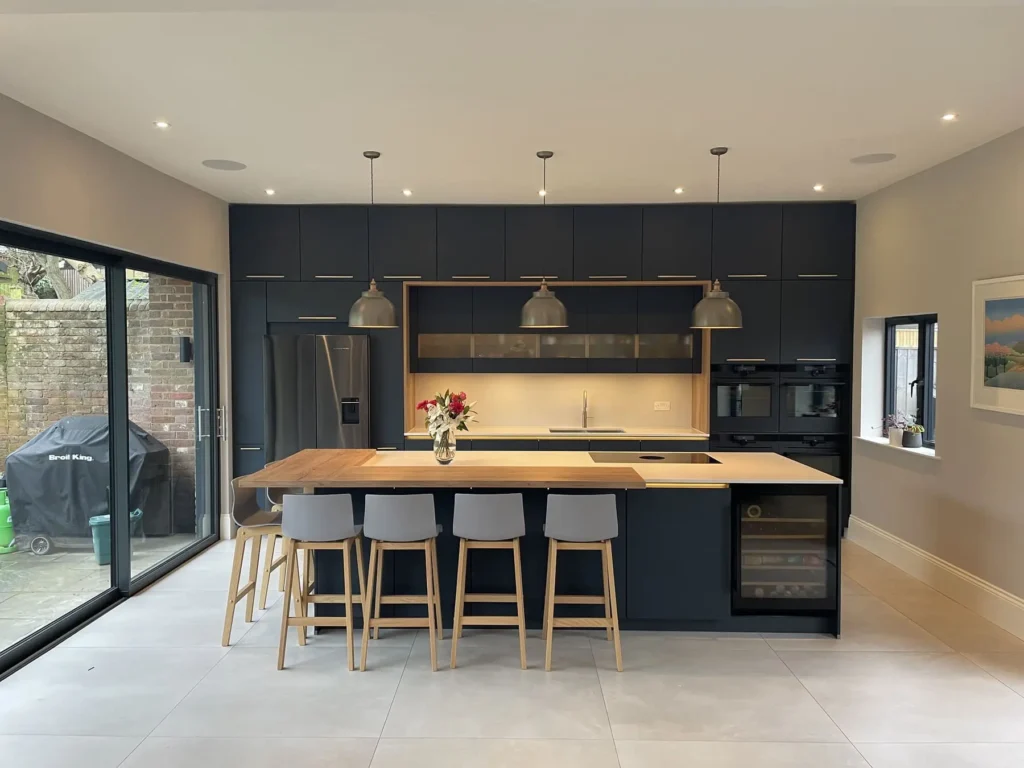
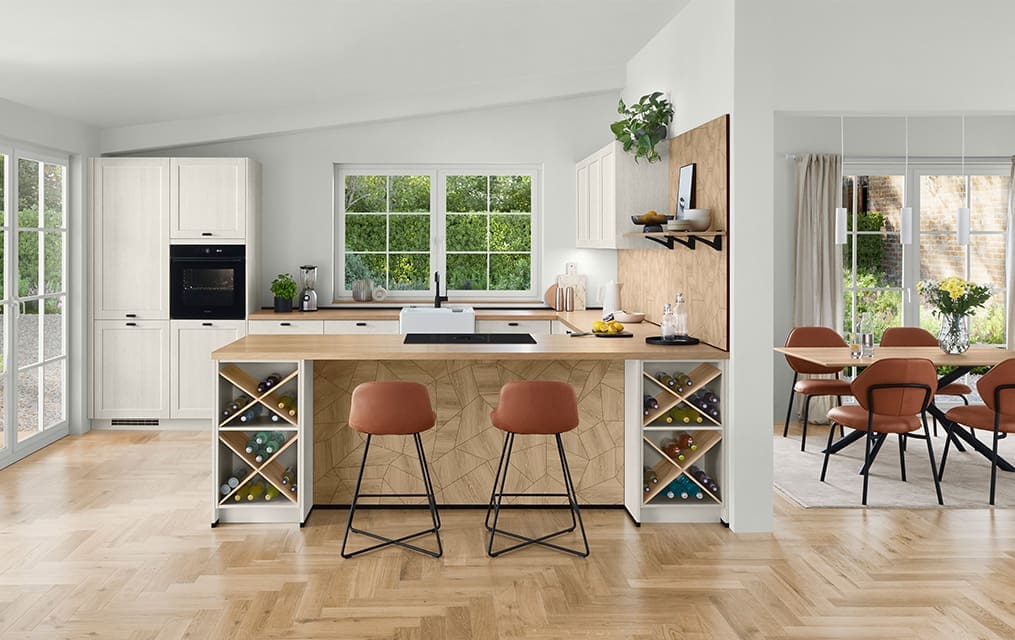
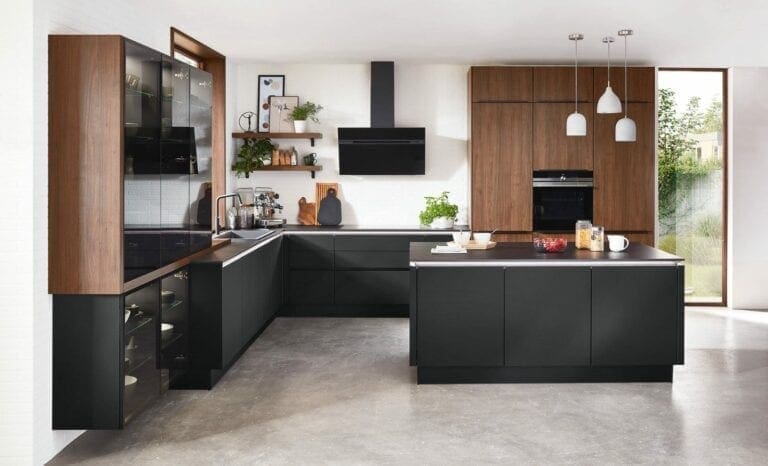
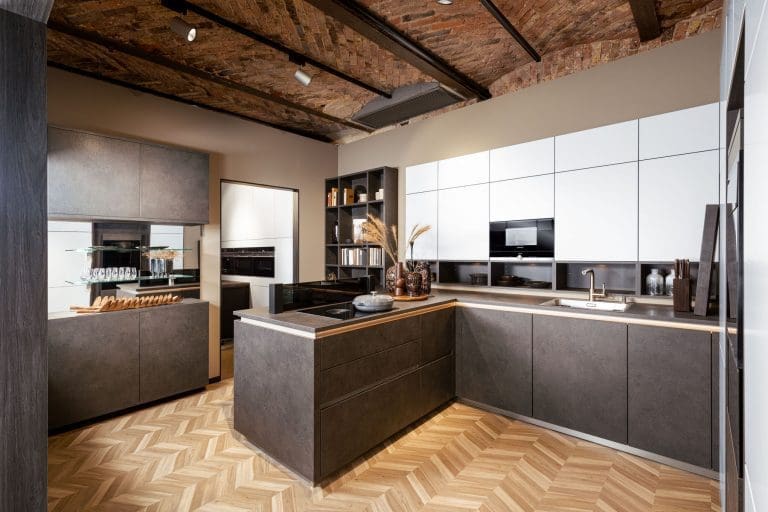
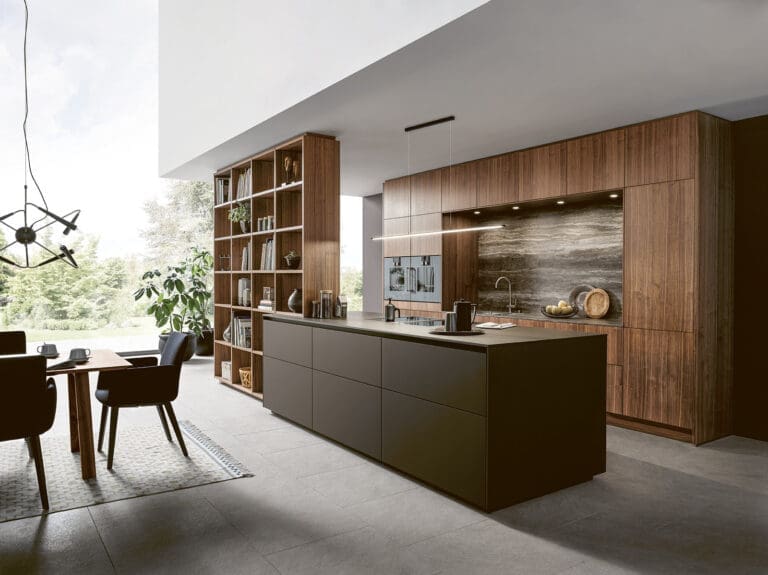
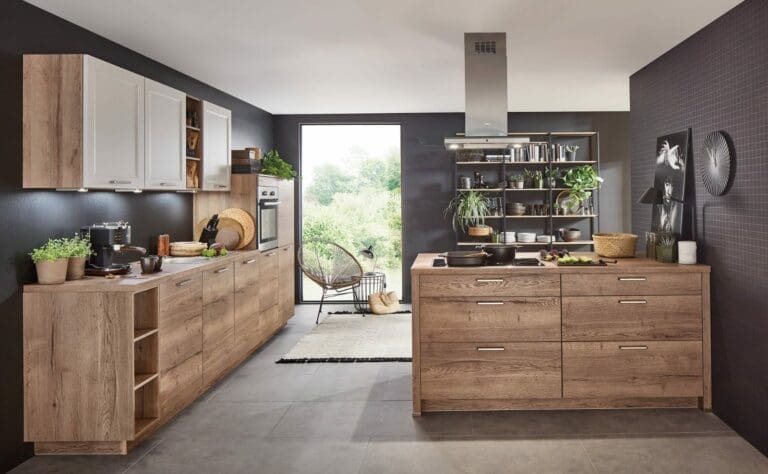
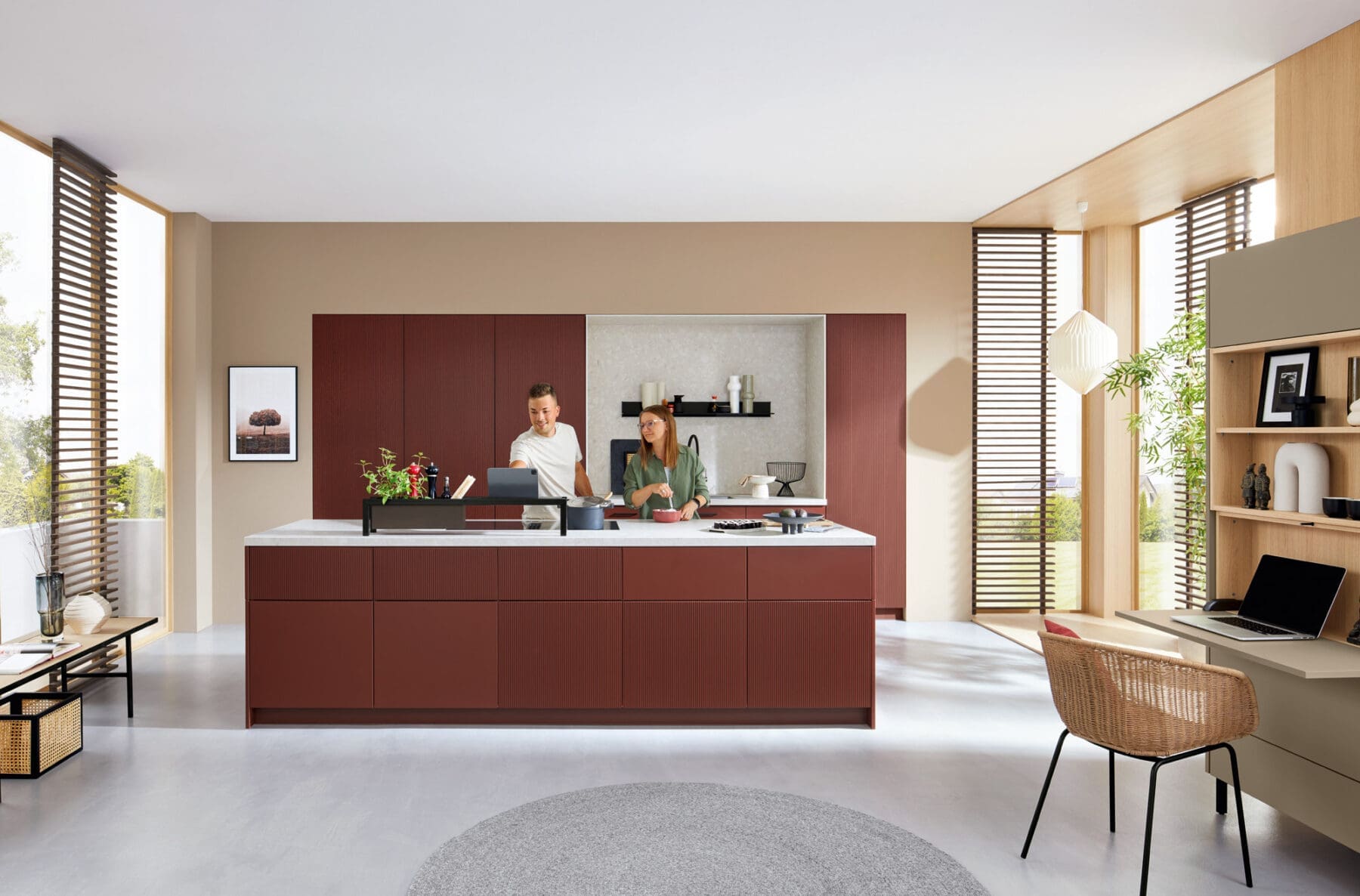
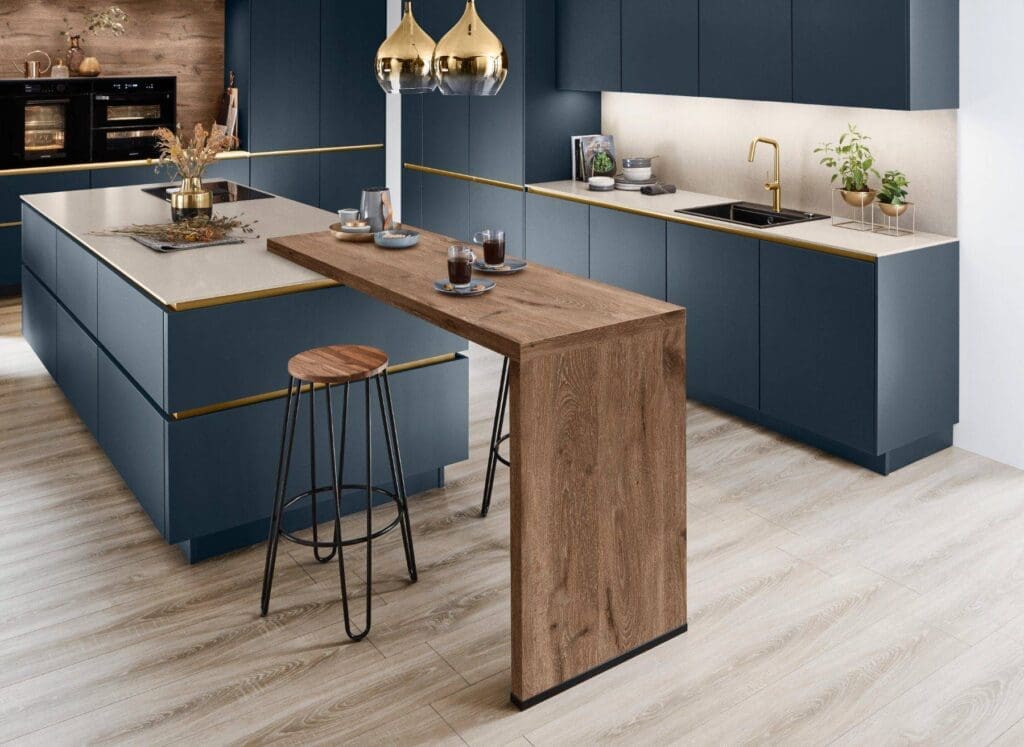
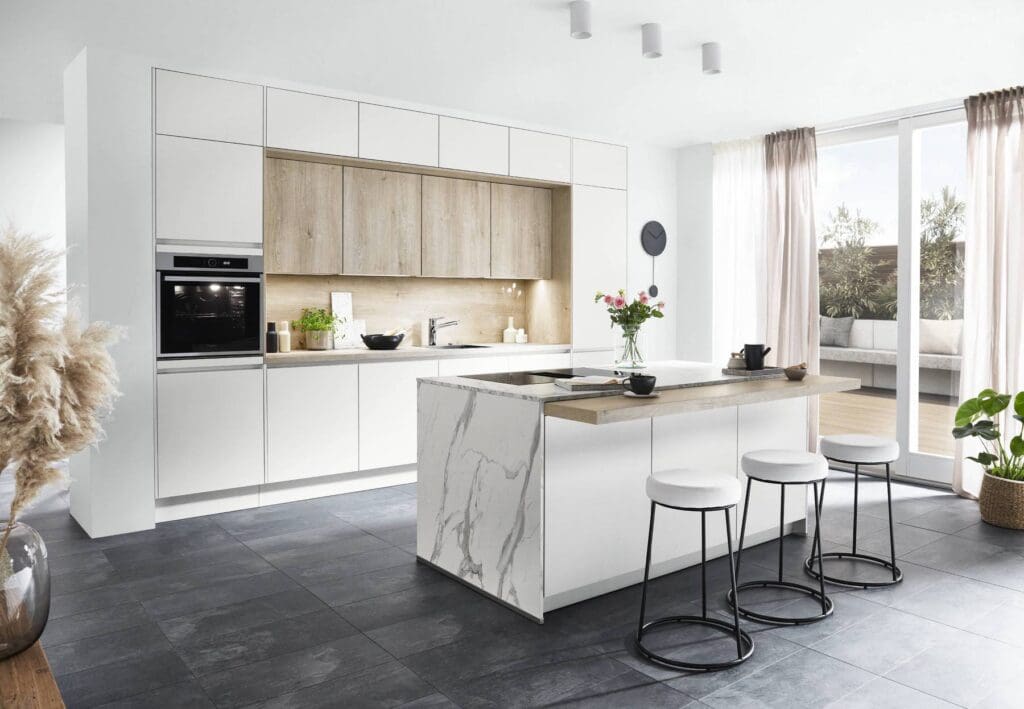
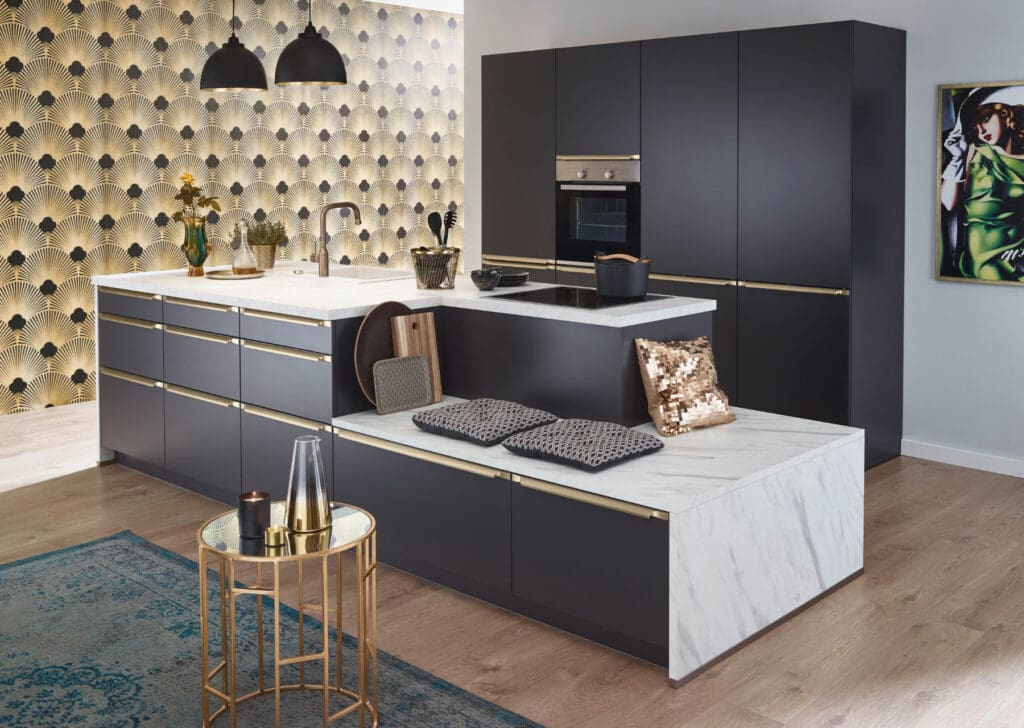
At a glance, the difference is simple. A kitchen island is a freestanding unit that sits away from the main run of cabinets and has space all around. Alternatively, a peninsula is connected to existing cabinetry or a wall on one side, extending into the room.
In practice, that distinction affects everything from circulation and storage to seating, appliance placement, and visual balance. Your floor plan, room width, and household habits all play a role in determining which option will work best.

Why Kitchen Islands Are So Popular
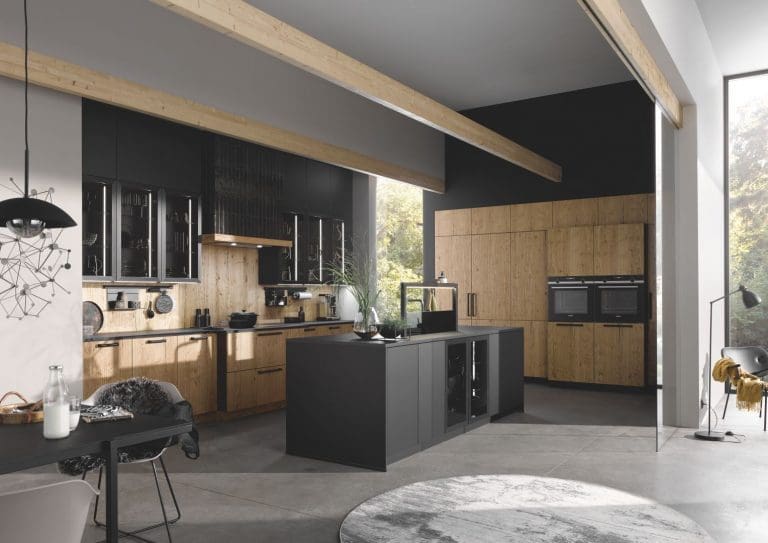
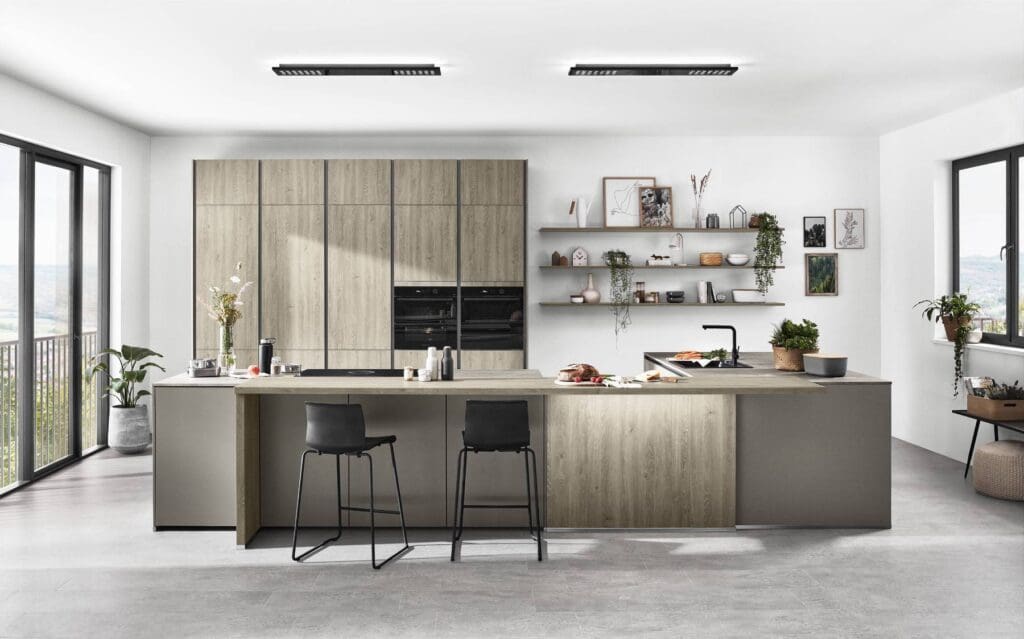
Kitchen islands are often associated with open-plan living and contemporary layouts. They offer flexibility, visual impact, and a natural gathering point within the kitchen.
An island works particularly well when there is enough space to move comfortably around it. In most UK homes, this means allowing at least 1,000–1,200mm clearance on all sides to maintain good flow.
Key Benefits of a Kitchen Island
- Improved workflow
- Kitchen islands can support efficient kitchen zoning. They often become the prep zone, freeing wall runs for cooking and storage. This separation helps reduce congestion when more than one person uses the kitchen.
- Flexible seating options
An island allows seating on one or more sides, making it ideal for informal meals, homework, or conversations while cooking.
- Strong visual presence
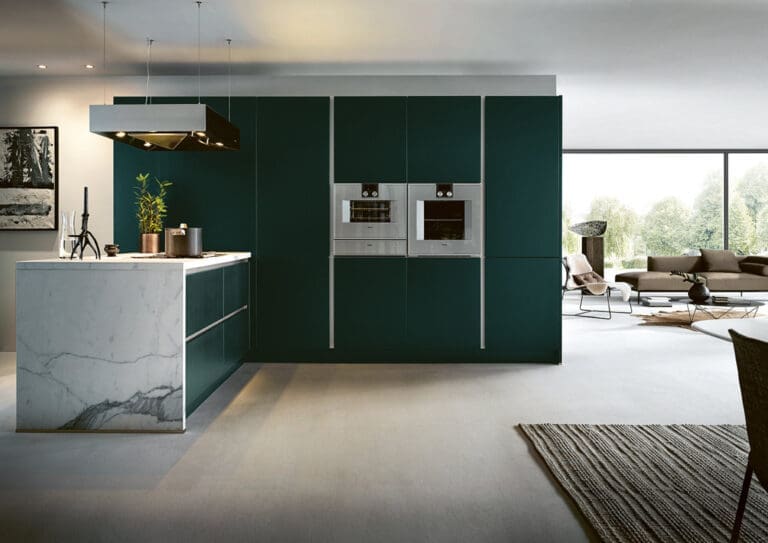
A well-designed kitchen island anchors the room. It creates a clear focal point and offers an opportunity to introduce a contrasting colour, texture, or worktop finish.
- Integrated appliances
- Hobs, sinks, wine coolers, and storage can all be built into an island. With careful planning, these features enhance functionality without compromising circulation.
Design Considerations for Kitchen Islands
Kitchen islands demand discipline in design. Oversized islands overwhelm a room, while undersized ones feel tokenistic. A professional kitchen designer assesses proportions carefully, ensuring the island enhances the space rather than restricting it.
Ventilation is another critical factor. If you plan a hob on your kitchen island, downdraft extraction or ceiling-mounted systems need early consideration to avoid compromises later.
Why Kitchen Peninsulas Remain a Favourite in the UK
Kitchen peninsulas suit the realities of UK housing stock. Many homes benefit from additional surface space and seating without the room required for a freestanding island.
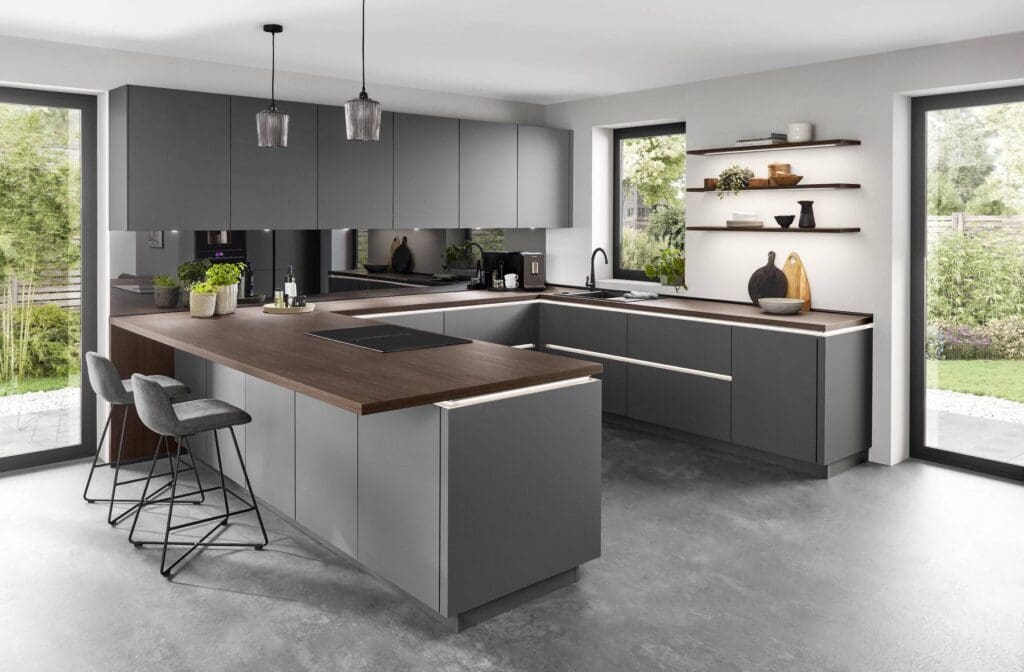
A peninsula creates many of the same benefits as an island while maintaining a stronger connection to the main cabinetry run.
Key Benefits of a Kitchen Peninsula
- Efficient use of space
- Kitchen peninsulas work well in narrower rooms or kitchens with limited depth. They extend usable surface area without disrupting circulation.
- Clear zoning without isolation
A peninsula defines the kitchen area within open-plan layouts while maintaining visual flow to adjacent spaces.
- Practical seating
Breakfast bar seating works comfortably along one side, often positioned to face living or dining areas rather than the cooking zone.
- Cost-effective design
- Peninsulas often require less cabinetry and fewer bespoke elements than islands, making them a smart choice for affordable luxury kitchens.
Design Considerations for Peninsulas
Kitchen peninsulas need careful alignment to avoid blocking walkways or natural light. The angle, depth, and relationship to doors and windows matter greatly.
A kitchen designer will assess whether a straight peninsula or an angled return works best, particularly in period properties or extensions where walls rarely align perfectly.
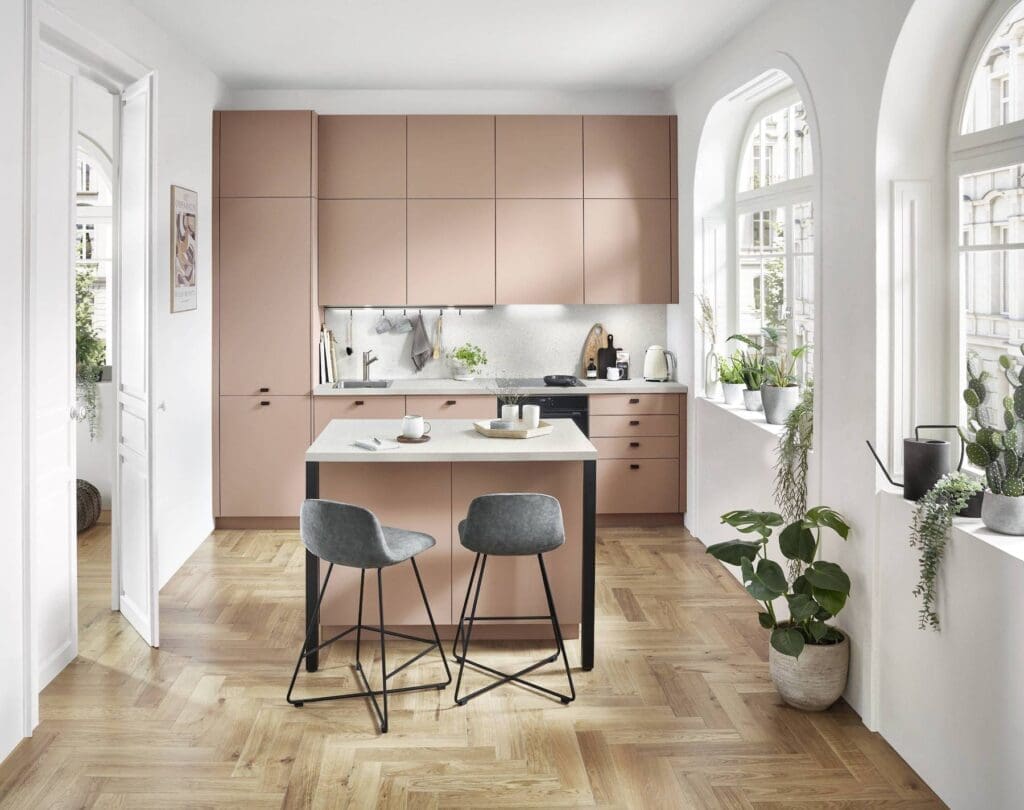
Kitchen Island or Peninsula: Which Suits Your Kitchen Size?
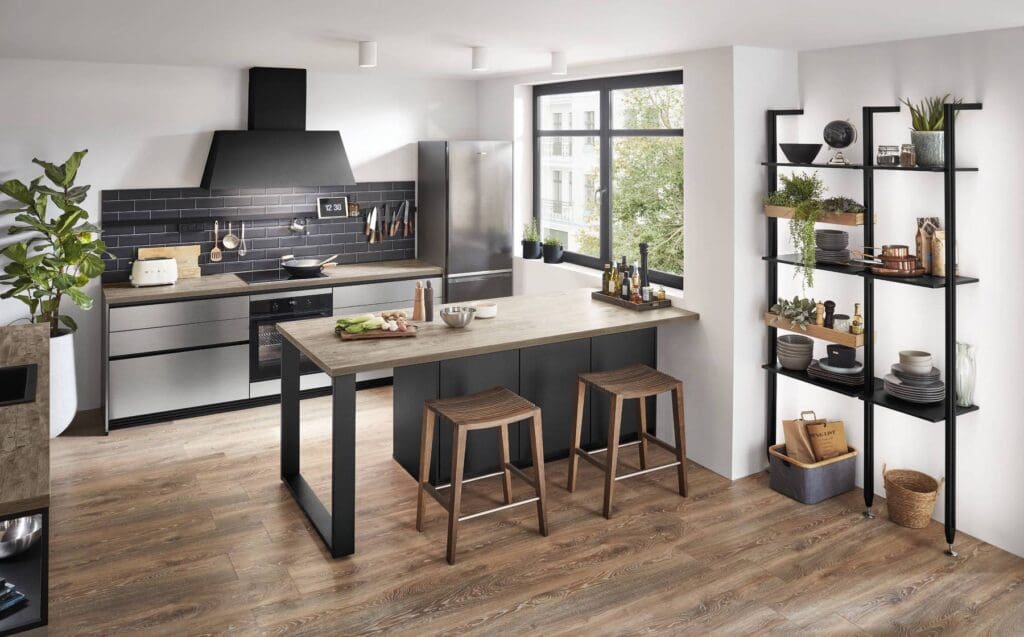
Choosing between a kitchen island and a peninsula should always start with the realities of your space rather than assumptions based on trends or inspirational images. Room width, circulation routes, door openings, and how you move through the kitchen each day all influence which layout will work comfortably. Accurate measurements combined with professional interpretation allow the layout to enhance flow and usability, ensuring the kitchen feels balanced rather than restricted. With that in mind, different kitchen sizes tend to favour different solutions:
- Large Open-Plan Kitchens
Islands tend to work best where there is generous width and uninterrupted floor space. They support multiple users and offer design flexibility.
- Medium-Sized Kitchens
This is where the decision becomes nuanced. A compact island may work, though a peninsula often delivers better flow and more usable storage.
- Small Kitchens
- Peninsulas usually outperform islands in smaller kitchens. They add workspace and seating while maintaining sensible circulation routes.
Lifestyle Matters More Than Layout Trends
Your kitchen should reflect how you live. For example, an island suits social households that enjoy gathering around the kitchen, whereas a peninsula often suits everyday practicality, especially in busy family homes.
Ask yourself practical questions before committing to either option
- Do you cook alone or with others?
- Do children need a place to sit close by?
- Do you entertain regularly or prefer quiet family meals?
- Do you work from the kitchen during the day?
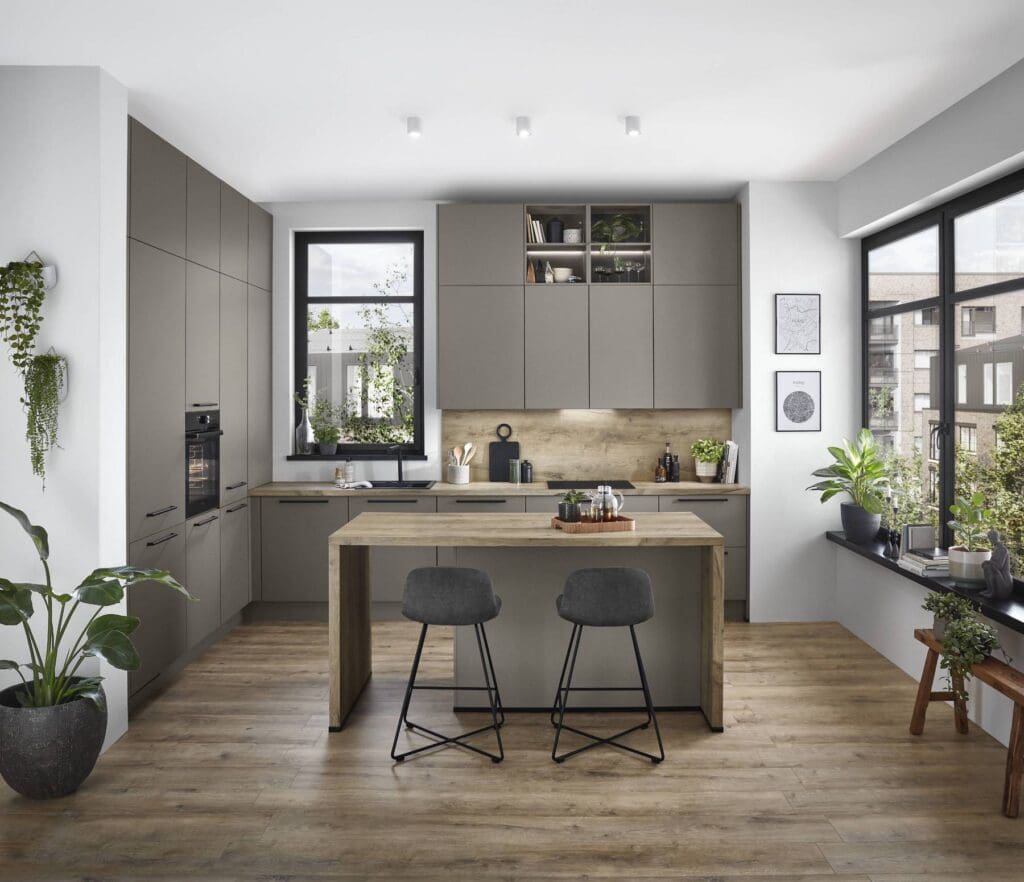

Design Tricks That Make Either Option Work Better
Even the most generous kitchen can feel awkward if key design details are overlooked. Thoughtful planning and small design adjustments can dramatically improve how both islands and peninsulas look and perform in everyday use. These practical design strategies help create a layout that feels considered, comfortable, and easy to live with, regardless of which option you choose:
- Use Zoning to Reduce Clutter
Clear kitchen zoning keeps prep, cooking, cleaning, and seating functions distinct. This reduces visual noise and improves efficiency.
- Choose Slimline Worktops
Thinner worktops help islands and peninsulas feel lighter, particularly in compact kitchens.
- Keep Storage Accessible
Deep drawers outperform cupboards for island bases. Peninsulas benefit from storage on the kitchen-facing side rather than under seating.
- Mind the Overhang
Breakfast bar overhangs should balance comfort and proportion. Too deep feels awkward, too shallow limits usability.
- Lighting Makes the Difference
- Pendant lighting over islands creates focus. Peninsulas benefit from softer lighting that blends into the wider room.
Affordable Luxury Solutions from Leading Kitchen Brands
Well-designed kitchen islands and peninsulas are not limited to high-end bespoke kitchens. Several manufacturers offer refined, well-engineered solutions that suit UK homes and budgets. For example:
- Nobilia offers modular island and peninsula units with excellent internal storage, durable finishes, and sleek handleless kitchen options that work well in open-plan layouts.
- Bauformat provides flexible cabinetry depths, allowing designers to tailor islands and peninsulas precisely to room proportions.
- Next125 is known for architectural island designs, including statement worktops and minimalist detailing that suits contemporary homes.
- Ballerina delivers highly configurable island and peninsula solutions with premium internal fittings that elevate everyday use.
- Impuls offers streamlined designs that suit smaller kitchens, making peninsulas particularly effective without compromising style.
- Brigitte combines practical layouts with elegant finishes, supporting islands and peninsulas that feel considered rather than oversized.
A knowledgeable kitchen designer understands how to specify these systems correctly, ensuring the layout supports your space rather than dictating it.
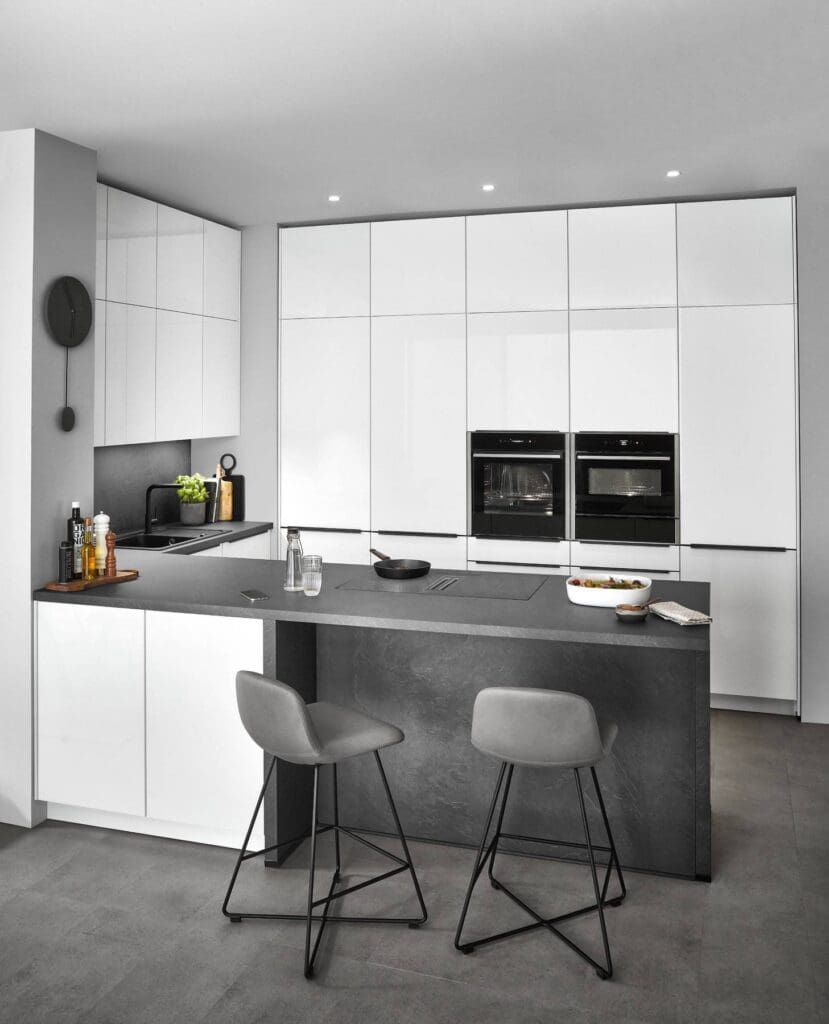
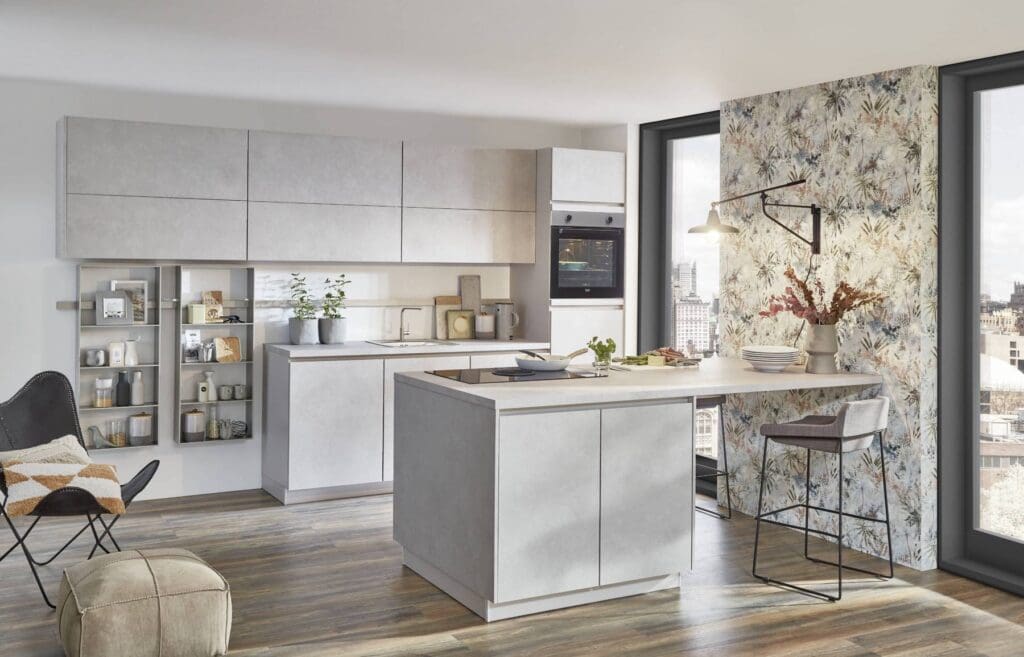
Why a Professional Kitchen Designer Makes the Difference
A kitchen island or peninsula should never be added as an afterthought. Professional kitchen designers evaluate flow, ergonomics, appliance placement, and proportions together. They consider factors such as door swings, window positions, structural columns, and future needs. They also help you avoid costly mistakes, such as oversized islands that restrict movement or peninsulas that block natural light.
Ultimately, professional and experienced kitchen designers translate lifestyle requirements into practical layouts, ensuring your kitchen works comfortably for years to come.
Making the Right Choice for Your Home
There is no universal answer to the kitchen island versus peninsula debate. The right solution depends on your personal space, lifestyle, and thoughtful design.
Islands suit homes with generous room dimensions and social cooking habits. Peninsulas excel in UK-sized kitchens where efficiency, flow, and everyday usability matter most.
With professional guidance and the right products, either option can deliver a kitchen that feels purposeful, balanced, and tailored to how you live.
If you focus on function first and allow design to follow, the result will always feel right for you and your home.