Vented hobs have become one of the most talked-about kitchen appliances in recent years. By combining a cooking surface with an integrated extraction system, they offer a modern solution for removing steam, grease and cooking odours without the need for a traditional cooker hood.
Often referred to as hob extractors, venting hobs or downdraft hobs, these appliances are designed to capture cooking vapours directly at the source — the hob itself. This makes them particularly popular in contemporary kitchens, open-plan spaces and kitchen islands where installing an overhead extractor may not be practical or desirable.
In this guide, the Kitchen Experts explain how vented hobs work, the advantages and potential limitations, typical costs, and what to consider when deciding if this type of appliance is right for your kitchen.
What is a vented hob?
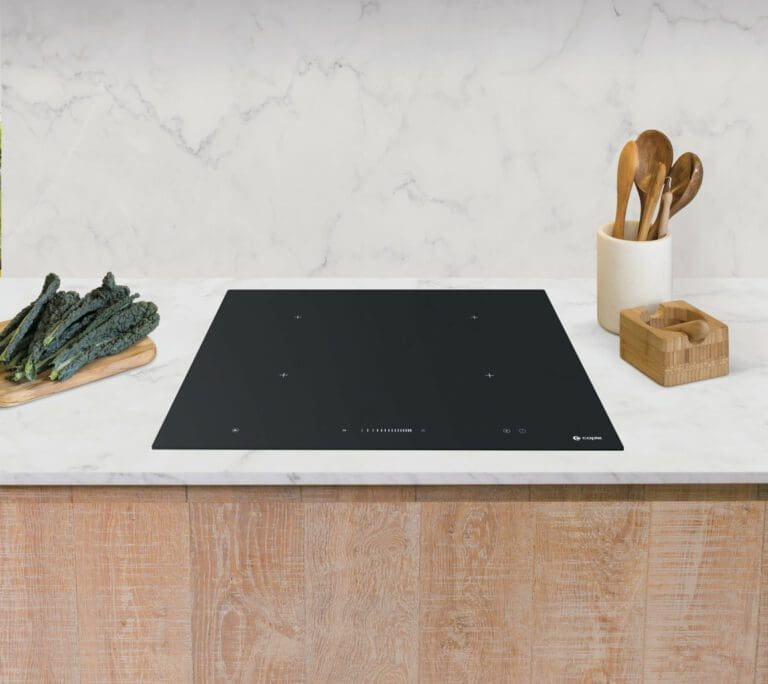
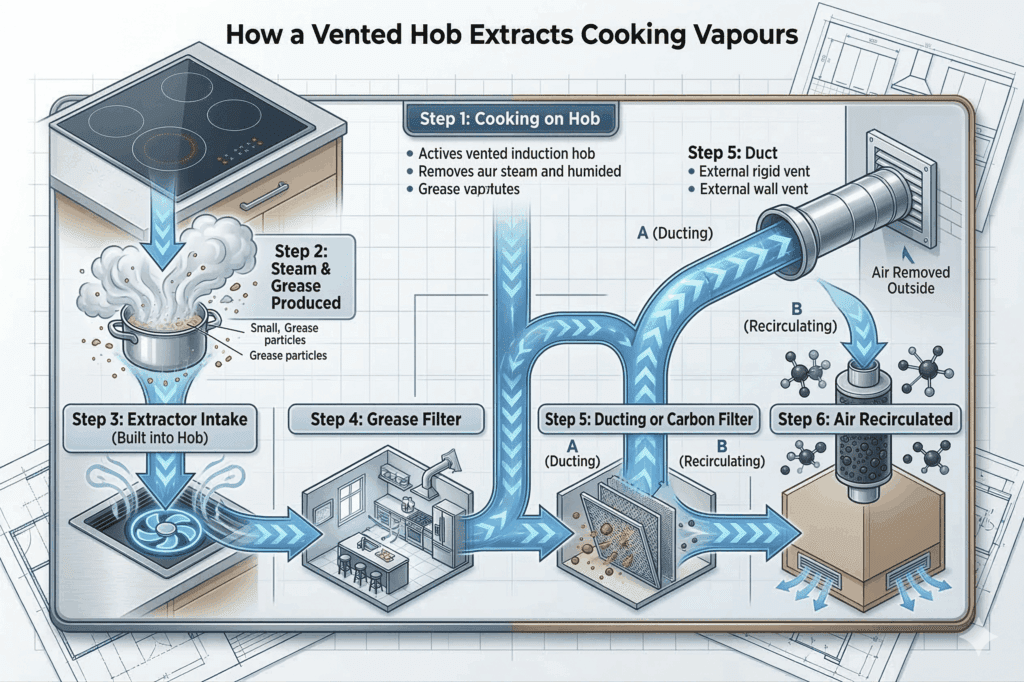
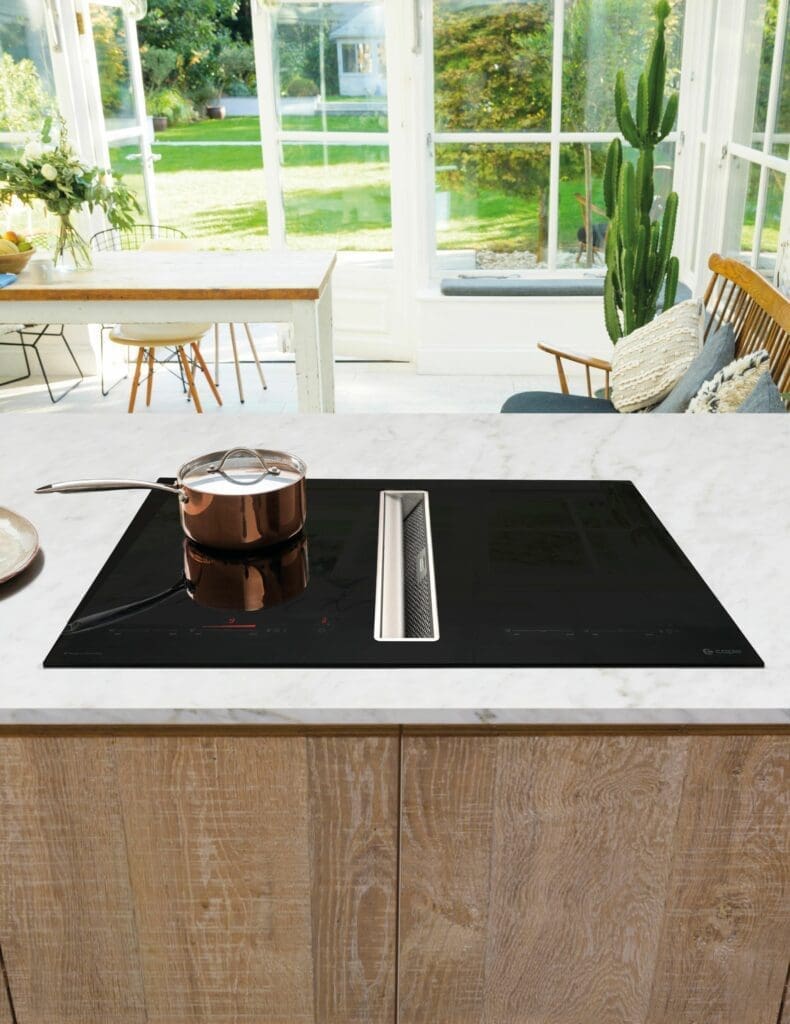
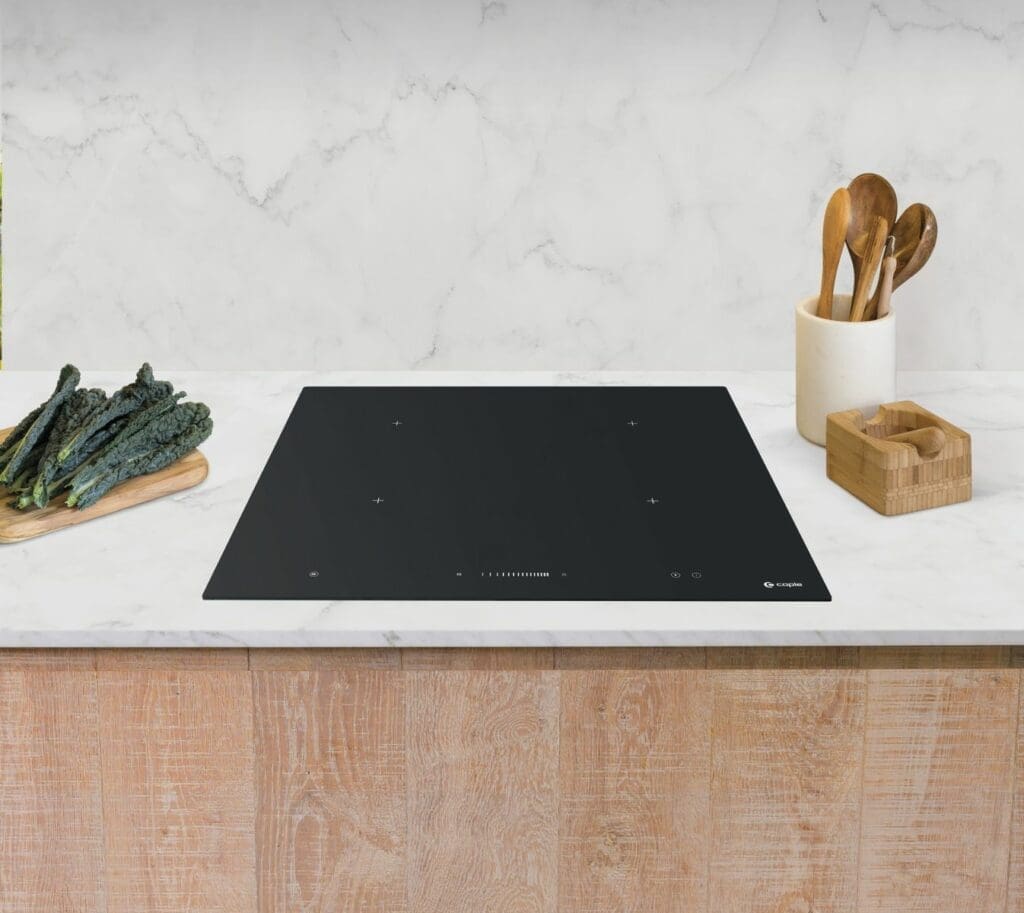
A vented hob is a cooking appliance that combines an induction hob and extractor fan in one unit. The integrated extractor draws steam, grease and cooking odours downward through filters and either vents the air outside or recirculates it back into the room.
Why Choose a Vented Hob?
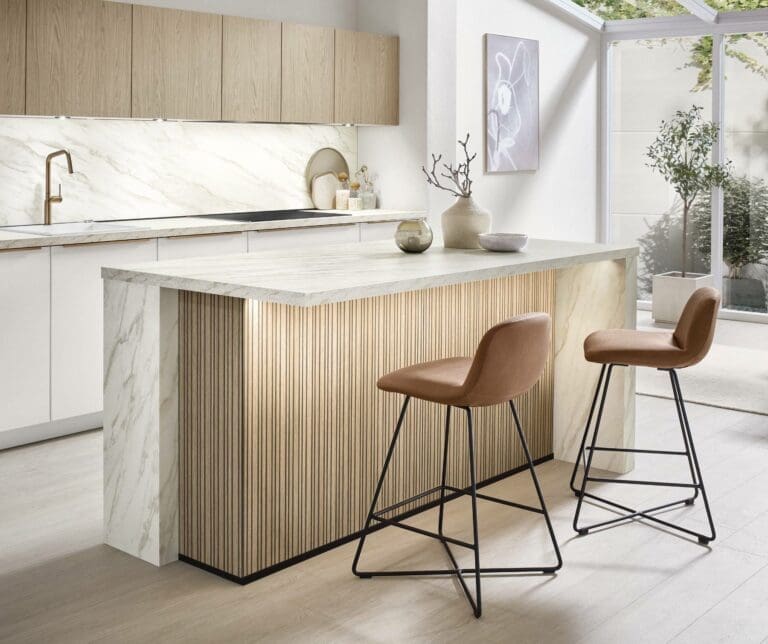
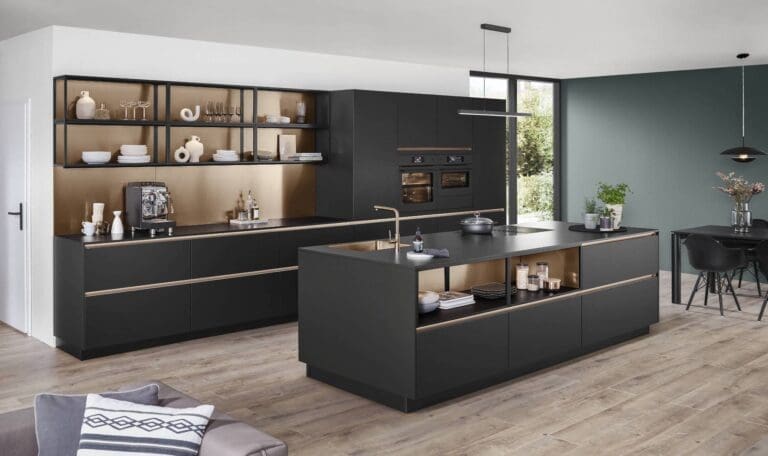
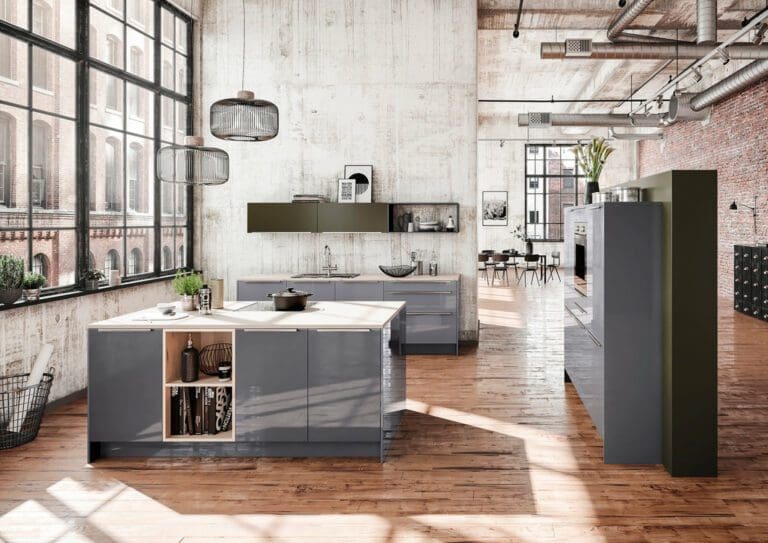
Kitchen layouts have changed significantly in recent years, with more homes adopting open-plan living spaces and kitchen islands. In these layouts, installing a traditional cooker hood above the hob can sometimes interrupt sightlines or dominate the space visually.
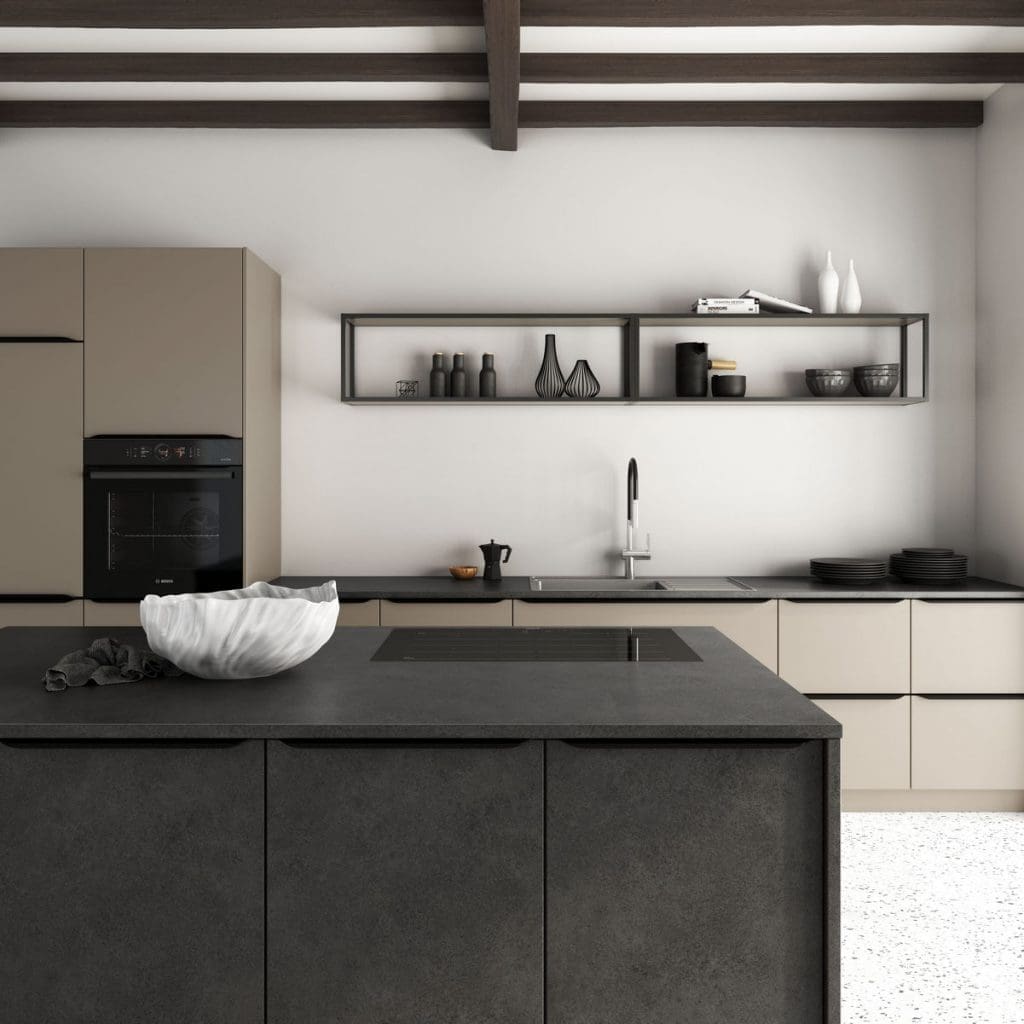
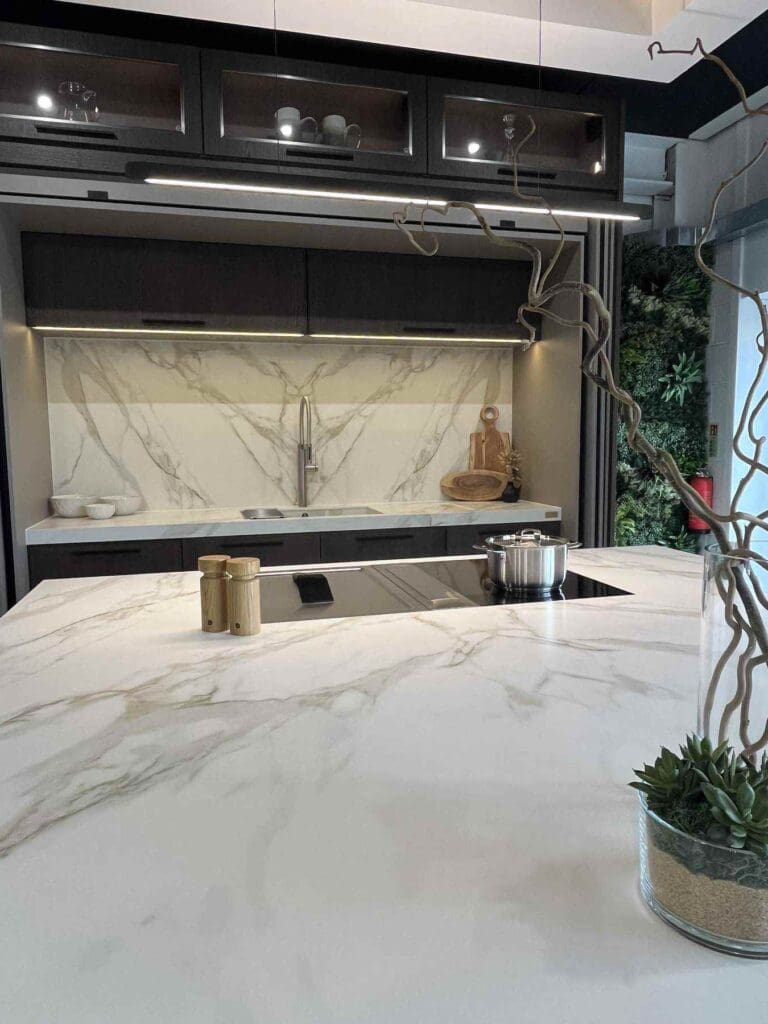
Vented hobs offer an alternative approach by placing the extraction system within the hob itself. Because the extractor sits at worktop level, cooking vapours can be captured directly from the cooking surface before they spread through the kitchen.
This integrated design also allows greater flexibility when planning the layout of a kitchen. For example, it makes it easier to position a hob on an island or beneath a window without needing a large overhead extractor.
Most vented hobs available today use induction cooking technology, combining fast and efficient heating with built-in ventilation. As a result, they have become increasingly popular in contemporary kitchens where homeowners want a clean, minimalist appearance without sacrificing effective extraction.
How Do Vented Hobs Work?
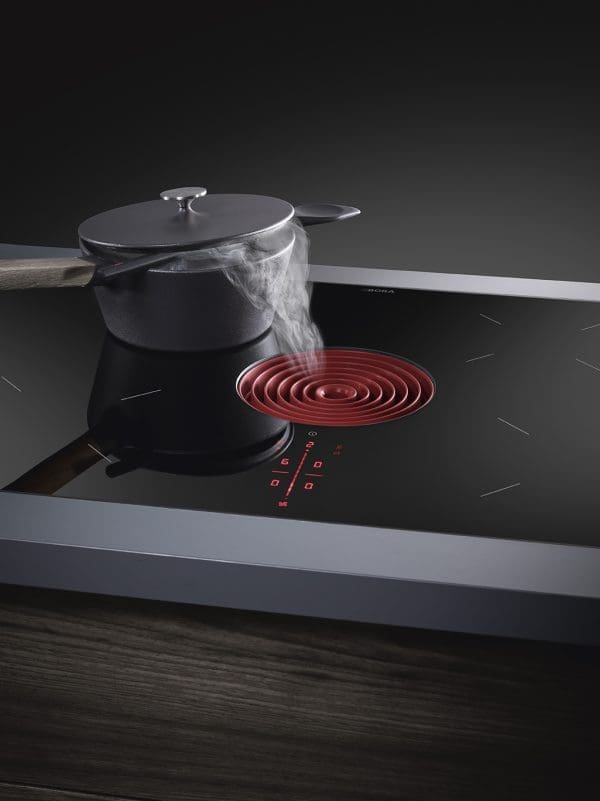
A vented hob contains an integrated extractor fan positioned in the centre or along the edge of the cooking surface.
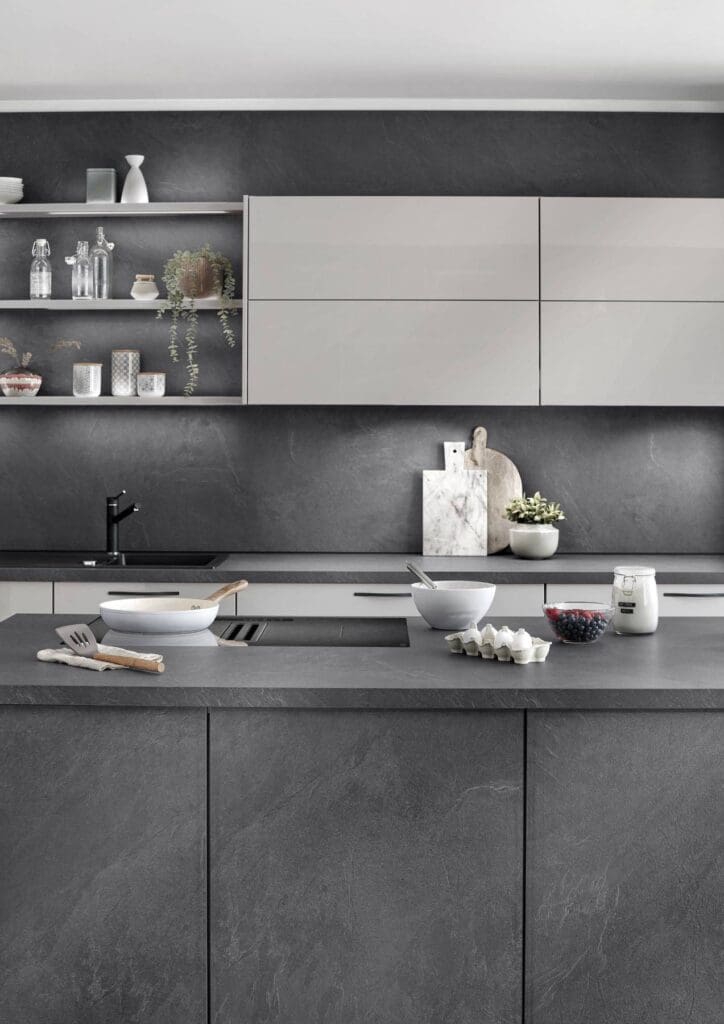
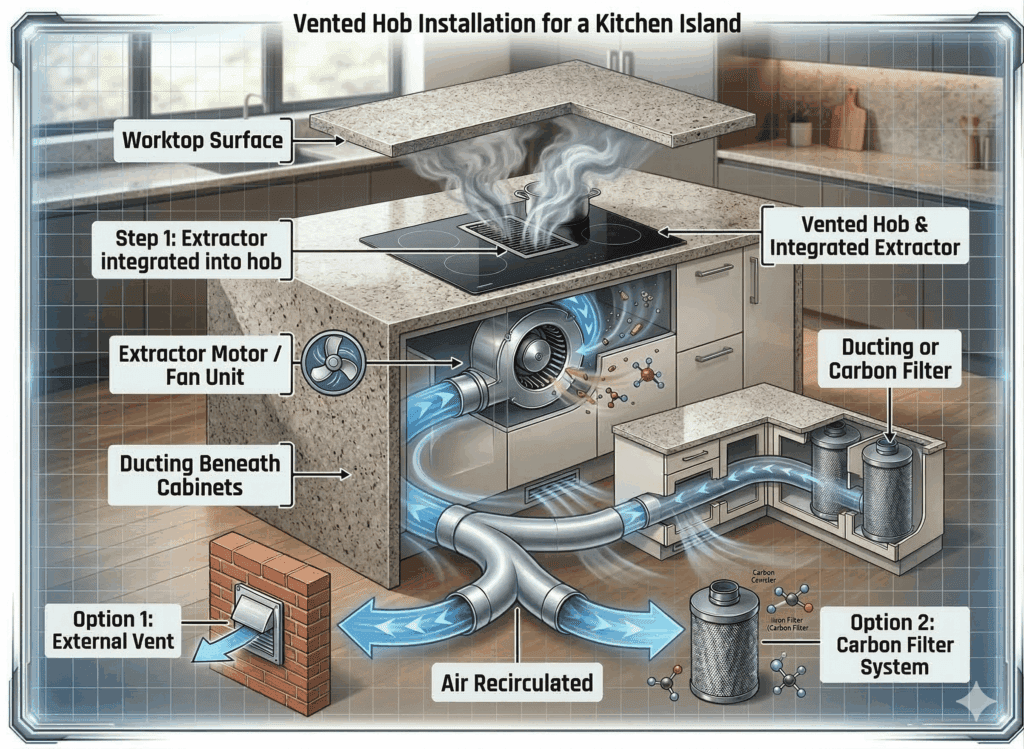
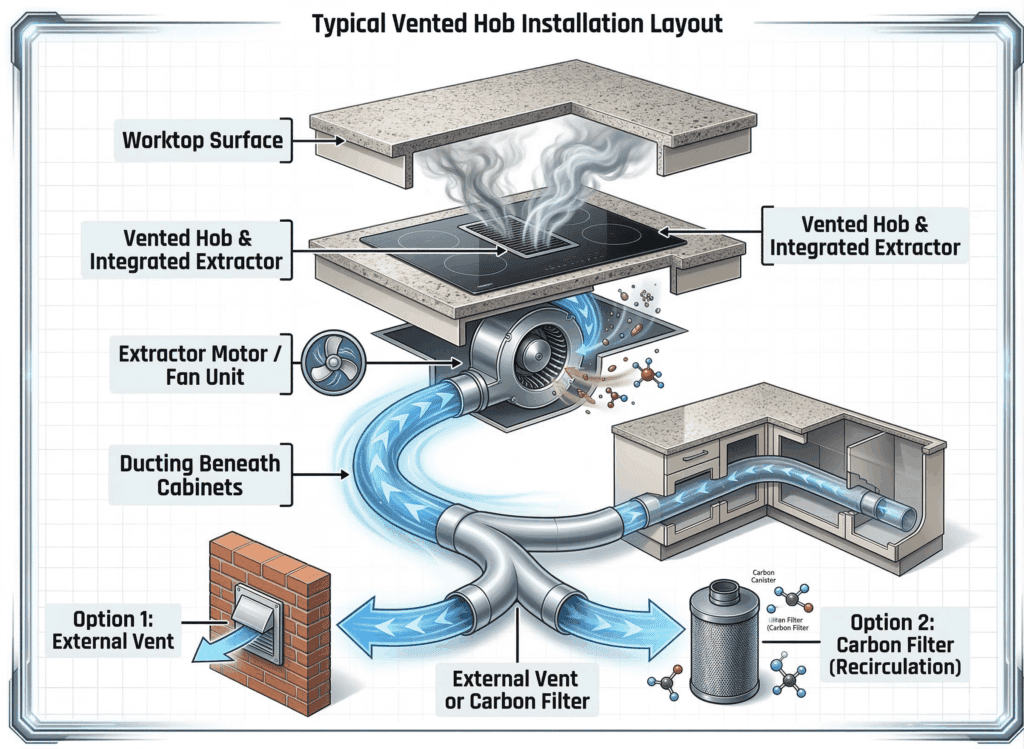
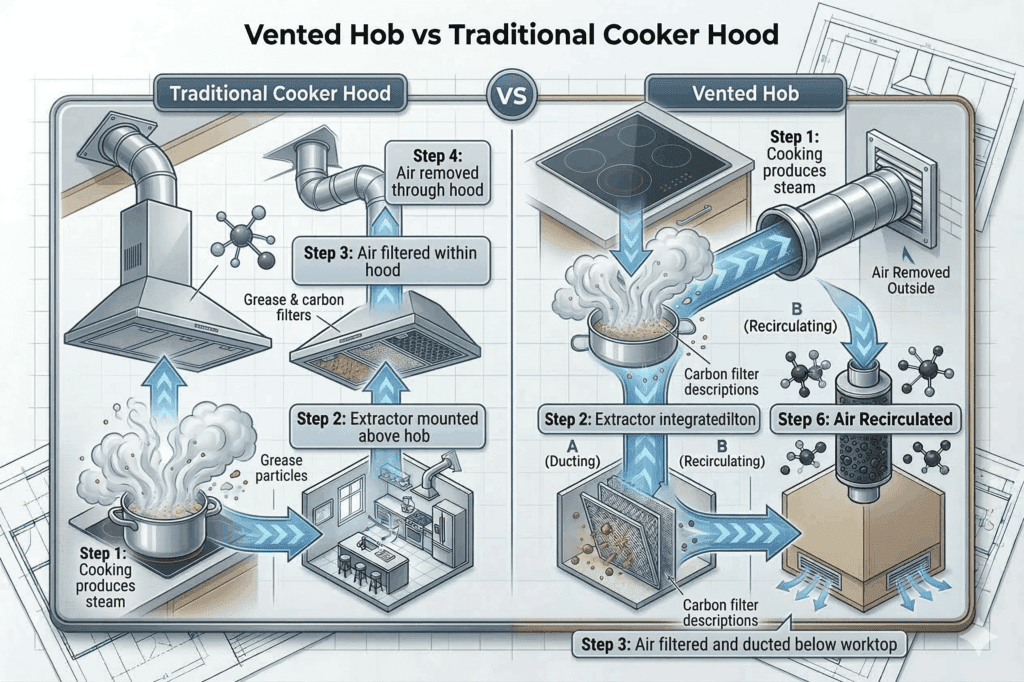
When cooking begins, the system draws air downwards through a grill positioned between the cooking zones. Inside the appliance, the air passes through a series of filters that remove grease particles and cooking vapours.
Depending on the installation type, the air is then:
- Ducted outside
The air travels through ducting beneath the kitchen units and is expelled outside the building. - Recirculated
The air passes through carbon filters that remove odours before the cleaned air is released back into the kitchen.
Because the extraction point is located very close to the cooking area, vented hobs can capture steam and grease before it rises and spreads through the room.
Why Vented Hobs Have Become Popular
Vented hobs have gained popularity because they combine two appliances into one system while allowing greater design flexibility in modern kitchens. They are commonly used in:
- kitchen islands
- open-plan kitchens
- minimalist kitchens without overhead cabinetry
- kitchens where ceiling extractors are not desirable
By eliminating the need for an overhead hood, the appliance can create a more open and uncluttered kitchen design.
Benefits of Vented Hobs
1. Integrated Cooking and Extraction
A vented hob combines a hob and extractor in one appliance, removing the need for a separate cooker hood. This simplifies kitchen design and can free up space above the cooking area.
2. Ideal for Kitchen Islands
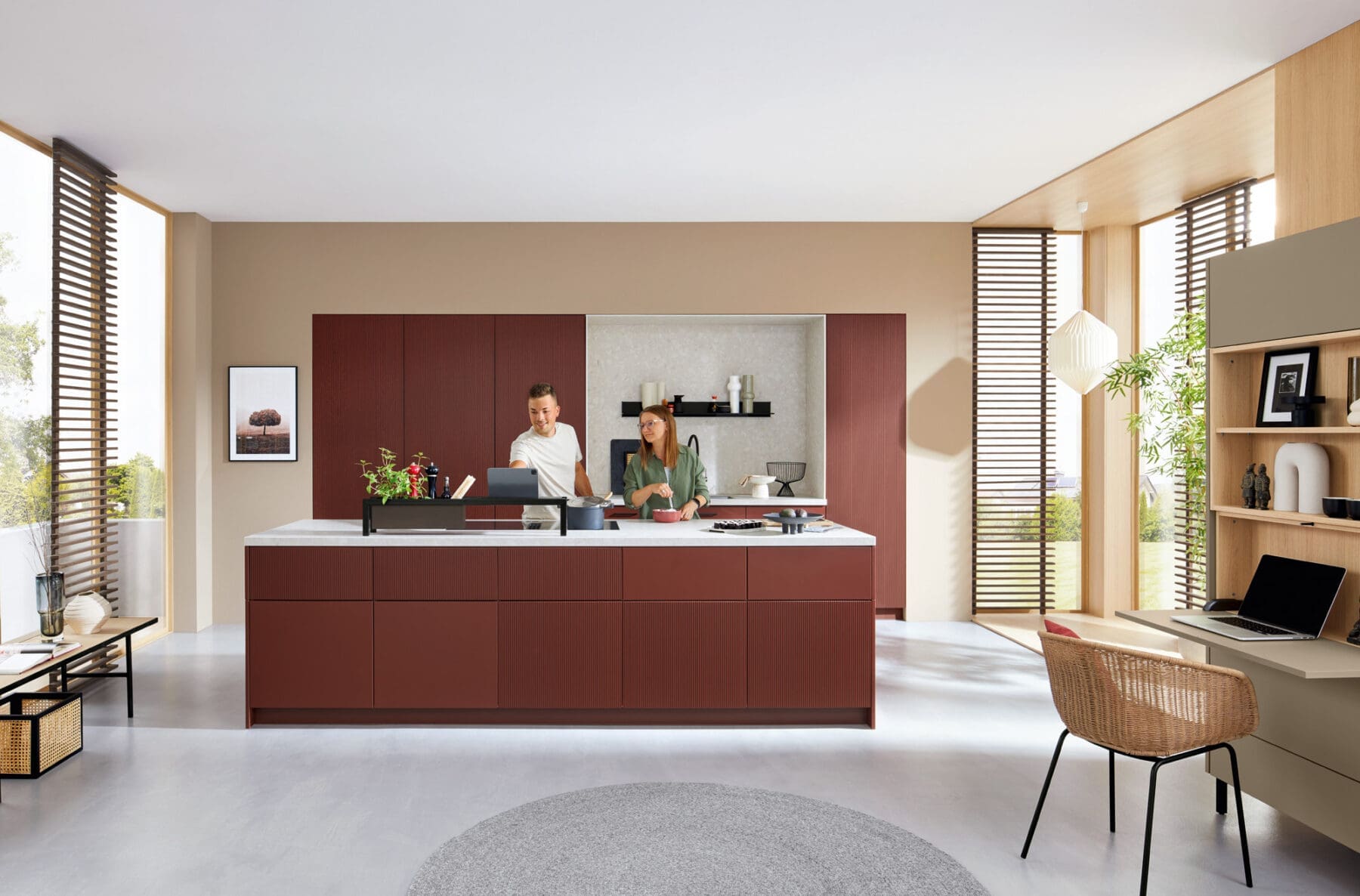
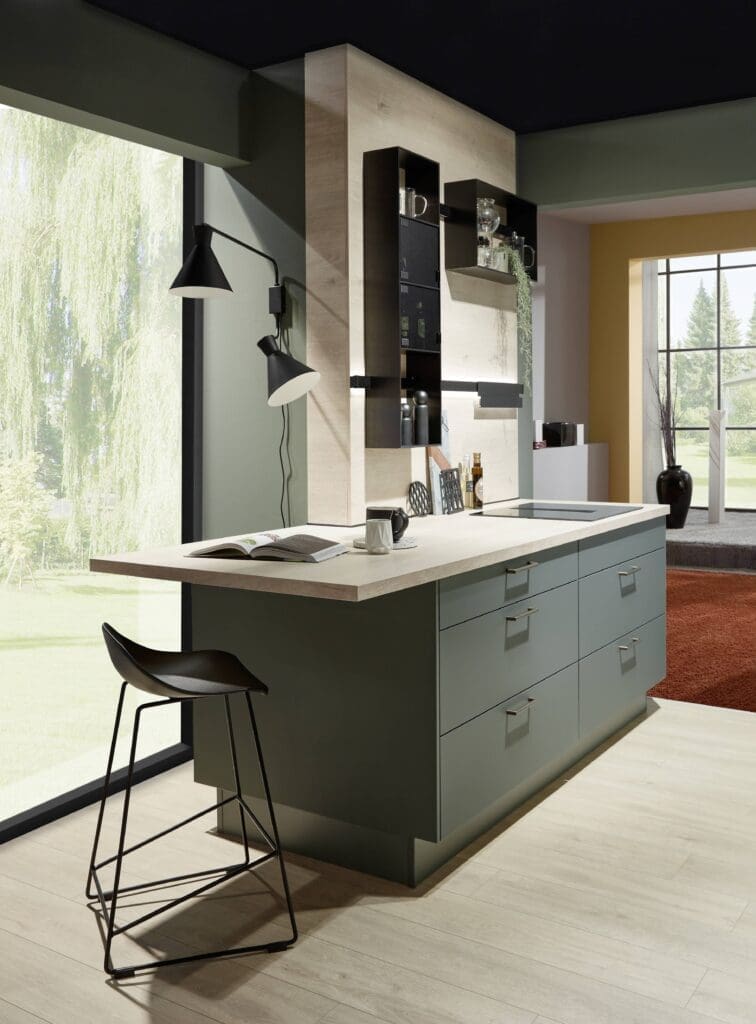
Island kitchens can make installing a traditional cooker hood difficult or visually intrusive. Because vented hobs extract air at worktop level, they are particularly suited to island layouts.
3. Clean, Minimalist Appearance
Without a visible overhead extractor, the kitchen can maintain a cleaner and more minimalist aesthetic.
This makes vented hobs popular in modern handleless kitchens and open-plan living spaces.
4. Efficient Extraction at Source
Because the extractor sits directly beside the cooking zones, it can capture steam and grease before they disperse into the room.
This can be particularly helpful when cooking with oils or boiling large pans of water.
5. Smart Technology Integration
Many modern vented hobs include smart features such as:
- automatic extraction adjustment
- touch controls
- bridging cooking zones
- timer functions
- automatic pan detection
Some appliances can even synchronise the extraction power with the cooking intensity.
Potential Disadvantages of Vented Hobs
While vented hobs offer many advantages, they may not be the right solution for every kitchen.
Higher appliance cost
Vented hobs typically cost more than standard hobs because they incorporate both cooking and extraction technology.
Installation considerations
Installing a vented hob may require:
- additional ducting
- space inside base units
- specific cabinetry configuration
Professional installation is usually recommended.
Reduced cabinet storage
Because the extraction system is located beneath the hob, it may reduce storage space in the cabinet below.
Filter maintenance
Like all extractor systems, filters require periodic cleaning or replacement to maintain performance.

Where Can a Vented Hob Be Installed?
Vented hobs can be installed in most kitchen layouts, provided there is sufficient space for the extraction system and ducting if required. Common installation locations include:
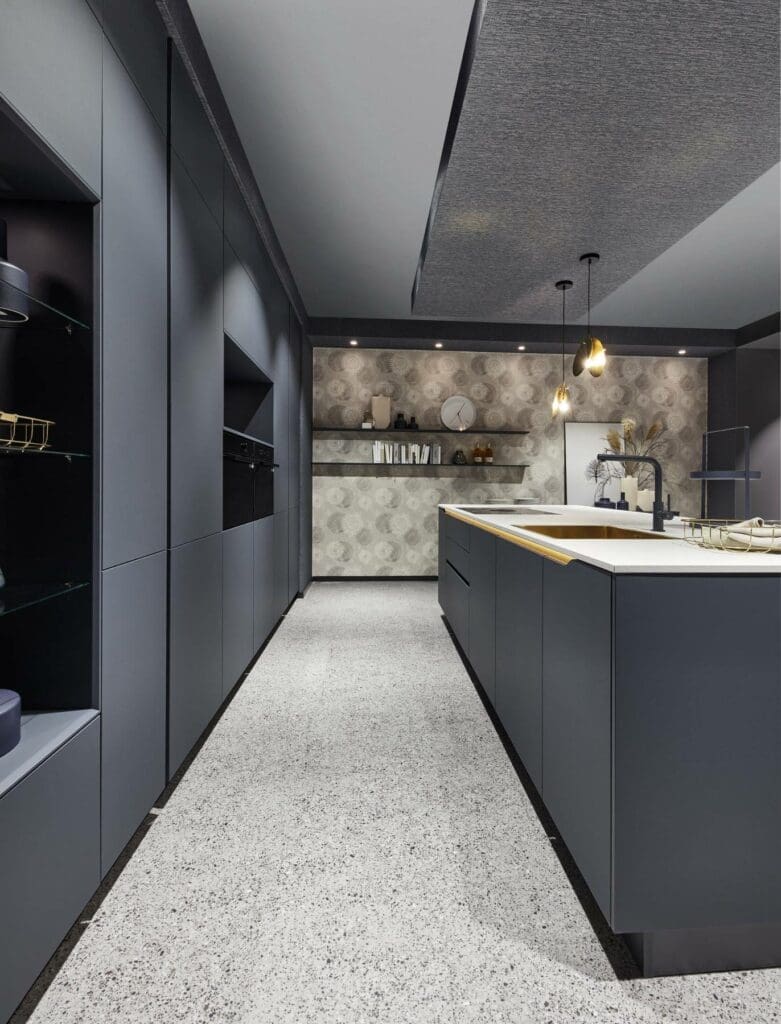
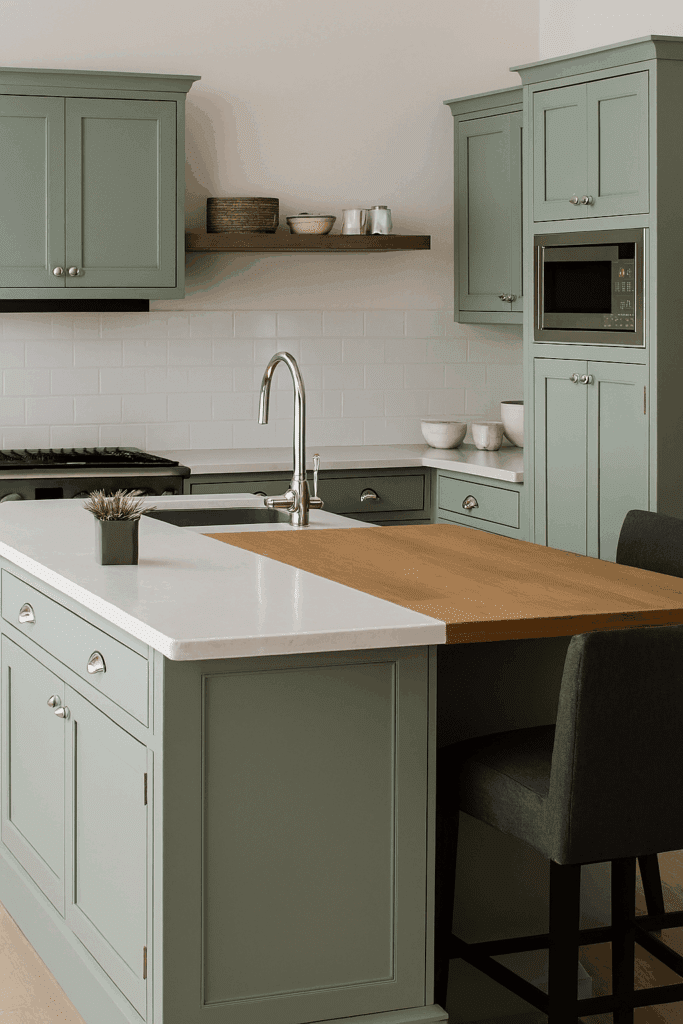
- Kitchen islands
One of the most popular applications, as it eliminates the need for an island cooker hood. - Peninsula layouts
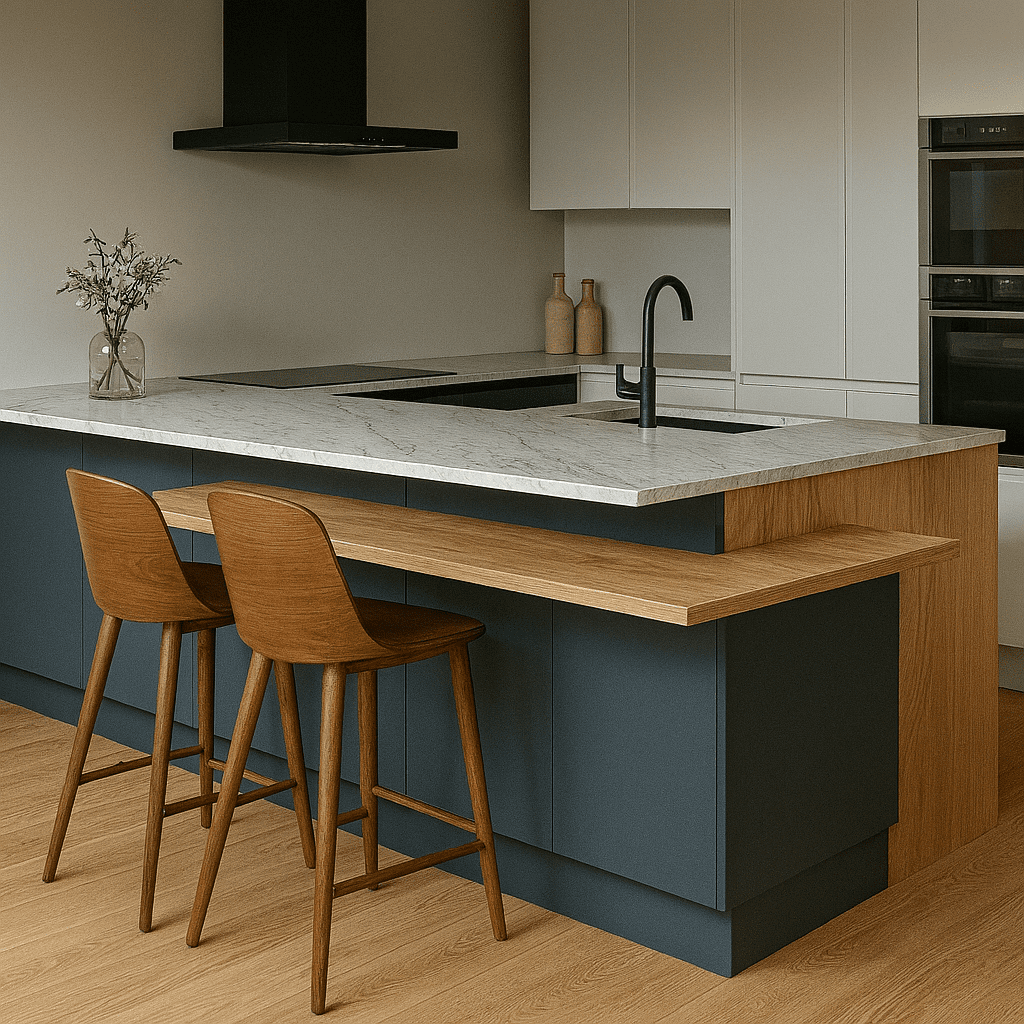
Peninsula kitchens can also benefit from integrated extraction systems. - Under windows
A vented hob can sometimes be installed beneath a window where a traditional hood might obstruct the view.
Are Vented Hobs Suitable for Kitchen Islands?
Kitchen islands are one of the most common places where vented hobs are used.
In many kitchens, homeowners prefer to position the cooking area on an island so they can face the room while cooking. However, installing an overhead extractor in this location can sometimes interrupt sightlines or dominate the space visually.
A vented hob solves this problem by placing the extraction system within the worktop itself.
This allows the kitchen island to remain open and unobstructed while still providing effective ventilation.
How Much Do Vented Hobs Cost?
The price of a vented hob can vary depending on:
- brand
- cooking technology
- extraction power
- filter system
- smart features
Typical price ranges in the UK are:
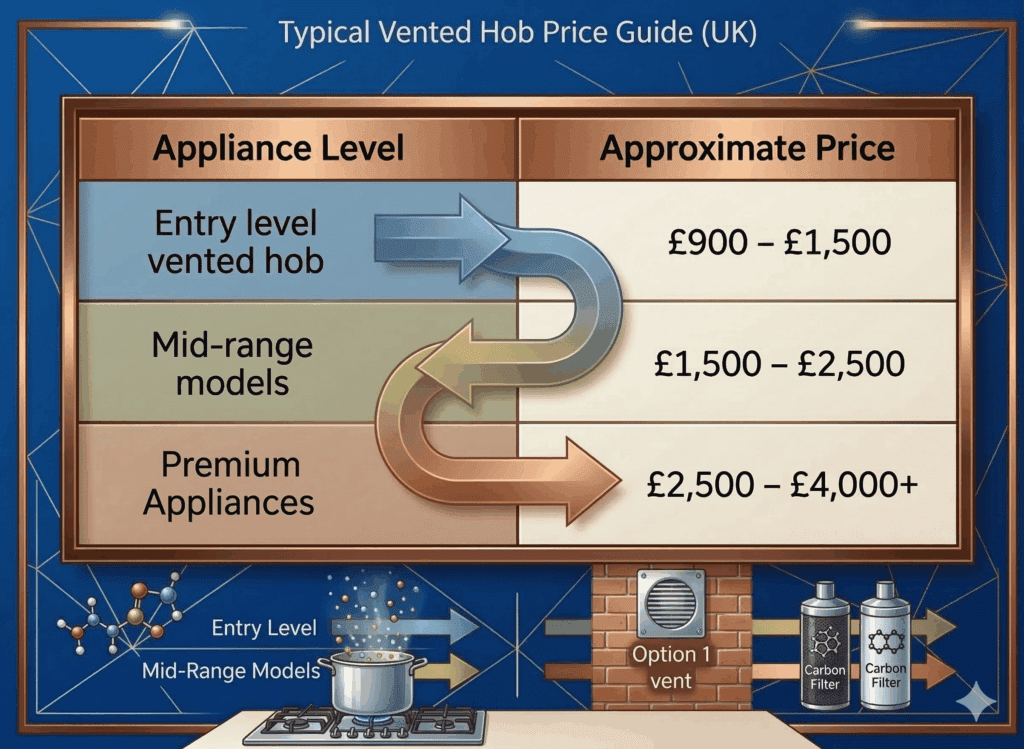
Installation costs can vary depending on whether ducting is required.
Popular Vented Hob Brands
Several appliance manufacturers offer vented hob systems.
Well-known brands include:
- Bora
- AEG
- Neff
- Siemens
- Fisher & Paykel
- Caple
- Elica
Different manufacturers offer varying features, extraction power levels and design styles.
Alternatives to Vented Hobs
While vented hobs are a popular option, they are not the only solution for kitchen ventilation. Alternative systems include:
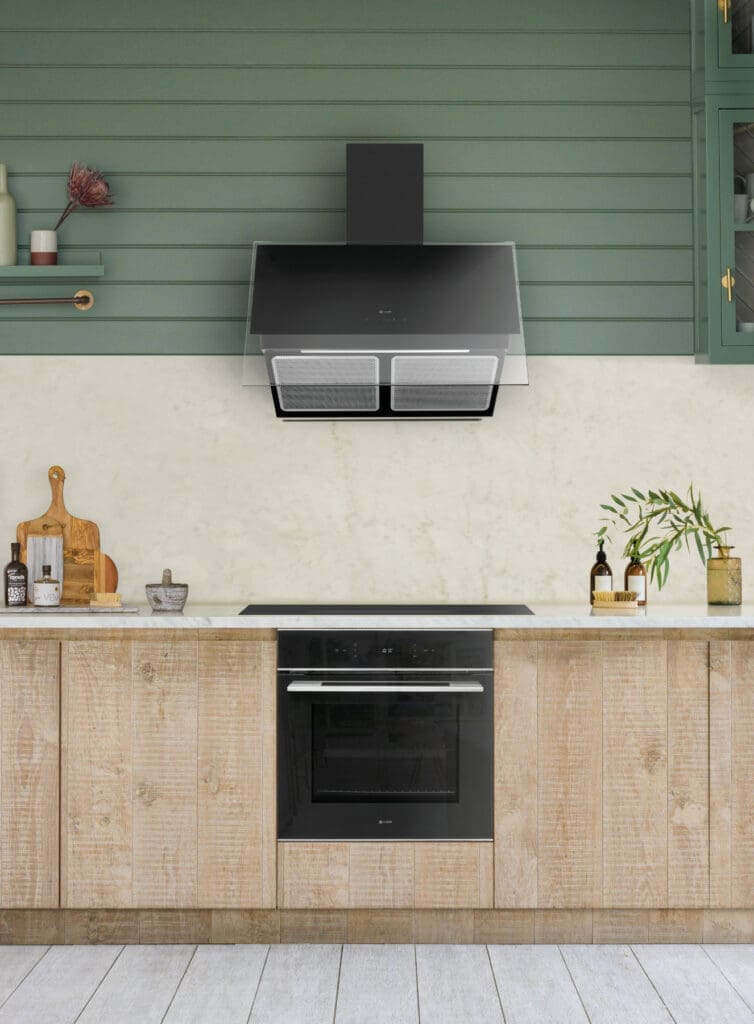
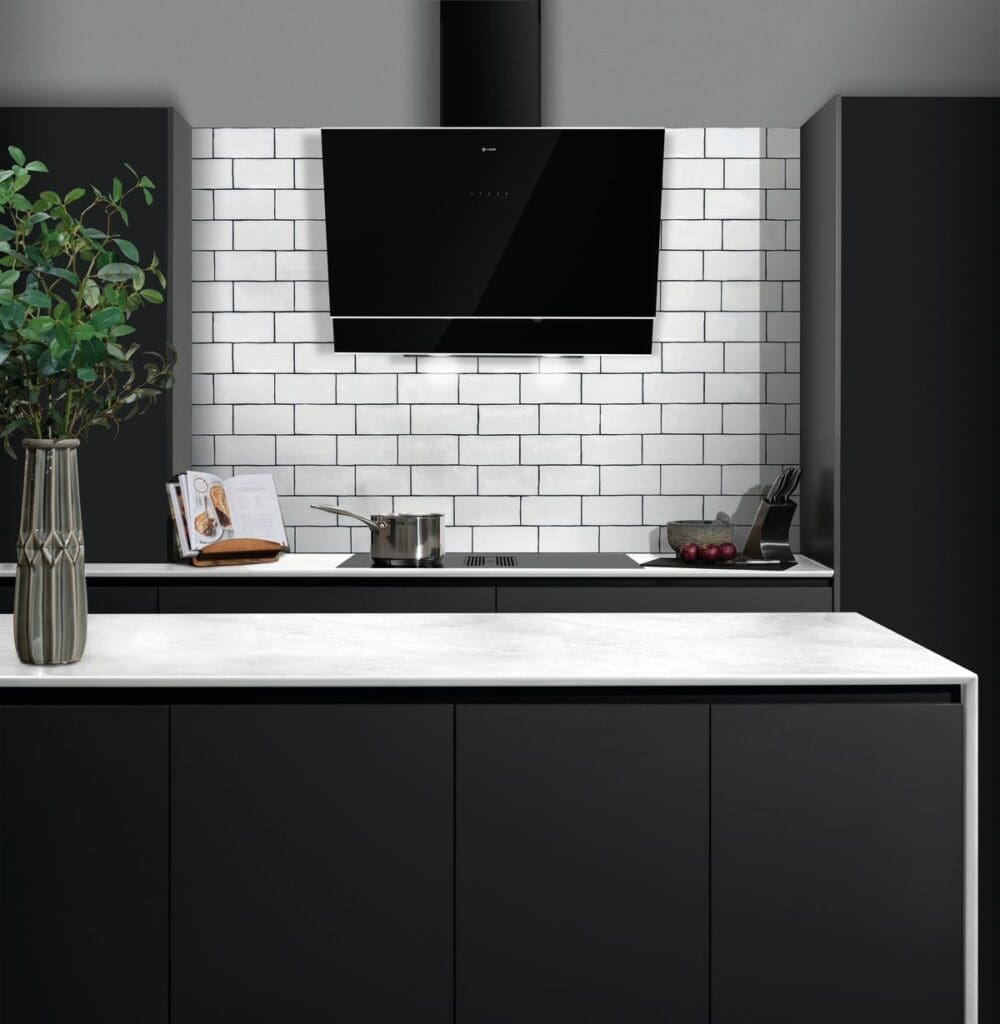
- Cooker hoods
Traditional extractor hoods installed above the hob remain one of the most effective ventilation systems. - Downdraft extractors
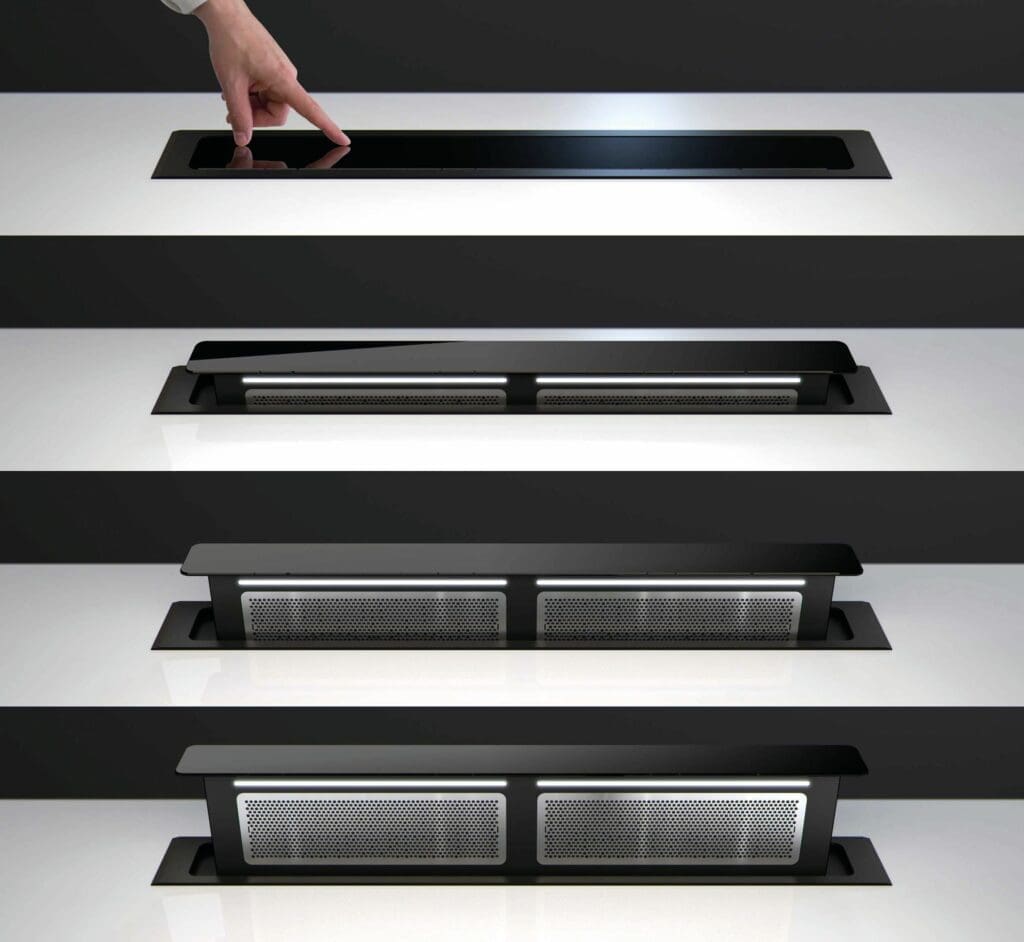
Separate downdraft extractors can rise from the worktop behind the hob when needed. - Ceiling extractors
Ceiling-mounted extractors provide ventilation without placing an appliance directly above the cooking area.
Things to Consider Before Buying a Vented Hob
Before choosing a vented hob, it is worth considering a few practical factors.
- Kitchen layout
The available cabinet space and worktop layout may influence which appliance types are suitable. - Extraction method
Some models allow both ducted and recirculating installation, while others are designed primarily for one approach. - Cooking style
Frequent high-heat cooking may require a more powerful extraction system. - Maintenance
Grease filters and carbon filters require periodic cleaning or replacement.
Final Thoughts
Vented hobs provide a modern solution that combines cooking and ventilation in one appliance. Their integrated design makes them particularly attractive in contemporary kitchens where visual simplicity and flexible layouts are priorities.
However, like any kitchen appliance, they are not the only option. The best choice will depend on the layout of the kitchen, cooking habits and installation possibilities.
Understanding how vented hobs work — and how they compare with other ventilation systems — can help homeowners decide whether this type of appliance is the right fit for their kitchen.
Author’s Note
This guide was compiled using aggregated insights from independent kitchen retailers within the Kitchen Experts network. These retailers regularly help homeowners compare appliance options, including different hob technologies and kitchen ventilation systems.
FAQs: Vented Hobs
What is a vented hob?
A vented hob is a cooking appliance that combines a hob and extractor system in one unit. The extractor is built into the hob surface and draws steam, grease and cooking odours downward through filters. The air is either ducted outside or cleaned and recirculated back into the room.
Are vented hobs effective?
Yes. Vented hobs can be very effective at removing steam and cooking odours because the extractor is positioned directly beside the cooking zones. This allows vapours to be captured at source before they spread through the kitchen.
Do vented hobs need to be ducted outside?
Vented hobs can operate in two ways. Some models use ducting to extract air outside the home, while others use recirculating filters that clean the air before returning it to the room. The best option often depends on the kitchen layout and whether external ducting is possible.
Are vented hobs noisy?
Noise levels vary depending on the model and extraction setting. Many modern vented hobs are designed to operate quietly, particularly when used at lower fan speeds. However, higher extraction levels may produce more noticeable noise when cooking at high heat.
Are vented hobs suitable for kitchen islands?
Yes. Vented hobs are commonly installed on kitchen islands where a traditional overhead extractor may not be practical. Because the ventilation system is built into the hob, it removes the need for a ceiling-mounted or wall-mounted cooker hood.
Do vented hobs take up storage space?
Most vented hob systems require some cabinet space beneath the appliance to accommodate the extractor motor and ducting or filters. However, many kitchen designs incorporate drawers or storage around the system to maximise usable space.
Are vented hobs more expensive than standard hobs?
Vented hobs are typically more expensive than standard hobs because they combine two appliances in one unit. Prices vary depending on the brand, size and features, but many models range from mid-range to premium kitchen appliance pricing.
Are vented hobs difficult to clean?
Most vented hobs include removable grease filters that can be cleaned or replaced. The cooking surface itself is usually made from glass ceramic or induction glass, which can be wiped clean in the same way as other modern hob surfaces.