The Importance of Kitchen Ventilation: A Complete Guide
Kitchen ventilation is one of the most important but often overlooked elements of kitchen planning. While much attention is typically given to cabinetry, worktops and appliances, ventilation plays a crucial role in maintaining air quality, controlling moisture and ensuring a comfortable cooking environment.
Cooking releases heat, steam, grease particles and airborne pollutants into the air and without proper ventilation, these elements can accumulate inside the home, leading to unpleasant odours, condensation, and even long-term damage to surfaces and materials.
Whether you are planning a new kitchen or upgrading your existing one, understanding the different types of kitchen ventilation systems available can help ensure your home remains clean, comfortable and safe to cook in.
Here, our Kitchen Experts guide explains why kitchen ventilation matters, the different options available, and how each system works in practice.
What is kitchen ventilation?
Kitchen ventilation is the process of removing heat, steam, grease particles and cooking odours from the kitchen and replacing them with fresh air. This is typically achieved using extractor fans, cooker hoods, downdraft extractors or vented hobs. Effective kitchen ventilation helps maintain air quality, reduce moisture and prevent cooking fumes from spreading throughout the home.
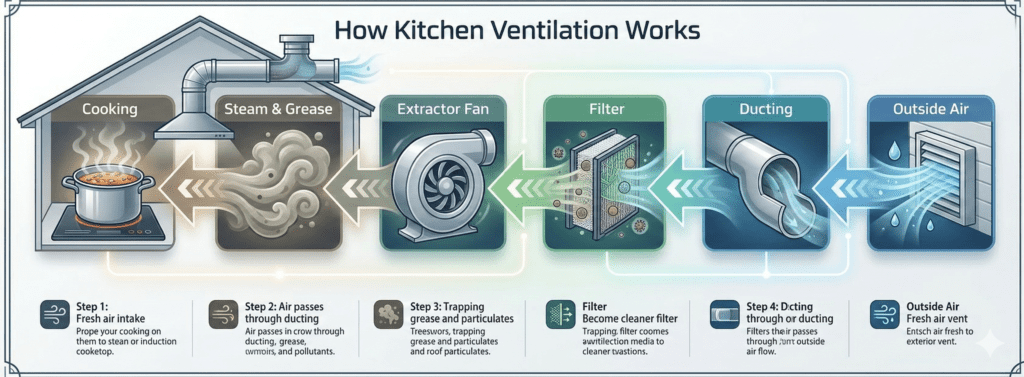
Kitchen Ventilation Flow Diagram
Understanding the Role of Kitchen Ventilation
Kitchen ventilation systems are used to remove polluted air created during cooking and replace it with fresh air. This is especially important when frying, grilling or boiling food due to the release of steam, grease particles, heat and odours.
These elements can quickly accumulate inside the kitchen, and over time, can lead to condensation on surfaces, lingering smells and a decline in overall indoor air quality.
As a solution, ventilation systems help remove a variety of airborne elements generated during cooking, including:
- cooking smoke
- grease particles
- steam and humidity
- odours
- airborne pollutants
- excess heat
In most homes, this process is handled by mechanical ventilation systems such as cooker hoods, extractor fans or vented hobs positioned above or near the cooking area. Some homes may also incorporate broader ventilation systems that help circulate fresh air throughout the property.
By removing cooking emissions and excess moisture, kitchen ventilation helps protect cabinets, walls and ceilings while keeping the kitchen environment comfortable to cook in.
Why Kitchen Ventilation Is Important
1. Health and Indoor Air Quality
Cooking produces airborne particles and gases that can affect indoor air quality. Frying, grilling and gas cooking in particular release pollutants that may accumulate without proper ventilation.
Ventilation systems help remove these pollutants from the air, reducing exposure to cooking emissions and improving the overall air quality inside the home.
This is particularly important for households where occupants may suffer from respiratory conditions such as asthma or allergies.
2. Odour Control
Cooking odours can easily spread throughout the home, especially in open-plan living spaces.
A good ventilation system captures cooking smells at their source and extracts them before they circulate through adjoining rooms.
This helps prevent lingering smells from foods such as:
- fried dishes
- fish
- spices and oils
3. Moisture and Condensation Control
Cooking releases a large amount of steam into the air. Without proper extraction, this moisture can settle on surfaces and cause condensation.
Over time, this may lead to:
- mould growth
- peeling paint
- damage to cabinetry
- moisture marks on walls and ceilings
Kitchen ventilation helps remove steam before it condenses on surfaces.
4. Temperature Control
Cooking appliances generate heat, which can quickly build up in enclosed kitchen spaces.
Ventilation systems remove warm air and replace it with fresh air, helping maintain a comfortable cooking environment.
This is especially important in smaller kitchens or during extended cooking periods.

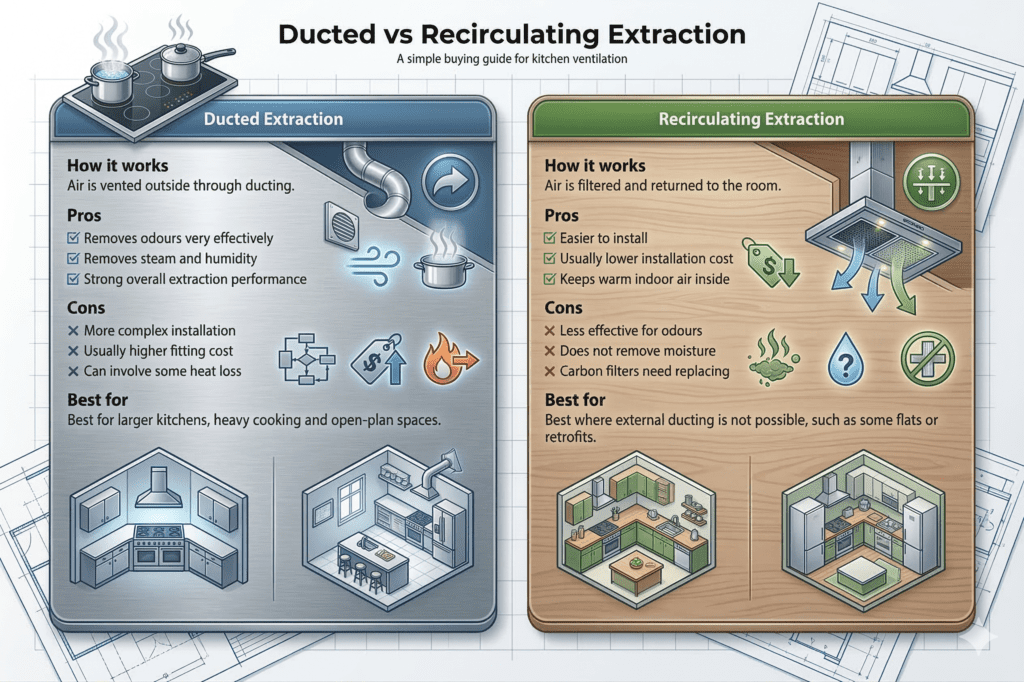
How Kitchen Ventilation Works
Kitchen ventilation systems typically work in one of two ways:
- Extraction ventilation
- Air is drawn through a fan and expelled outside through ducting.
- This is usually the most effective form of ventilation because it removes polluted air from the building completely.
- Recirculation ventilation
- Air passes through filters which remove grease and odours before being recirculated back into the room.
- Air passes through filters which remove grease and odours before being recirculated back into the room.
Types of Kitchen Ventilation Systems
Several ventilation options are available to you depending on your kitchen layout, design preferences and installation constraints.
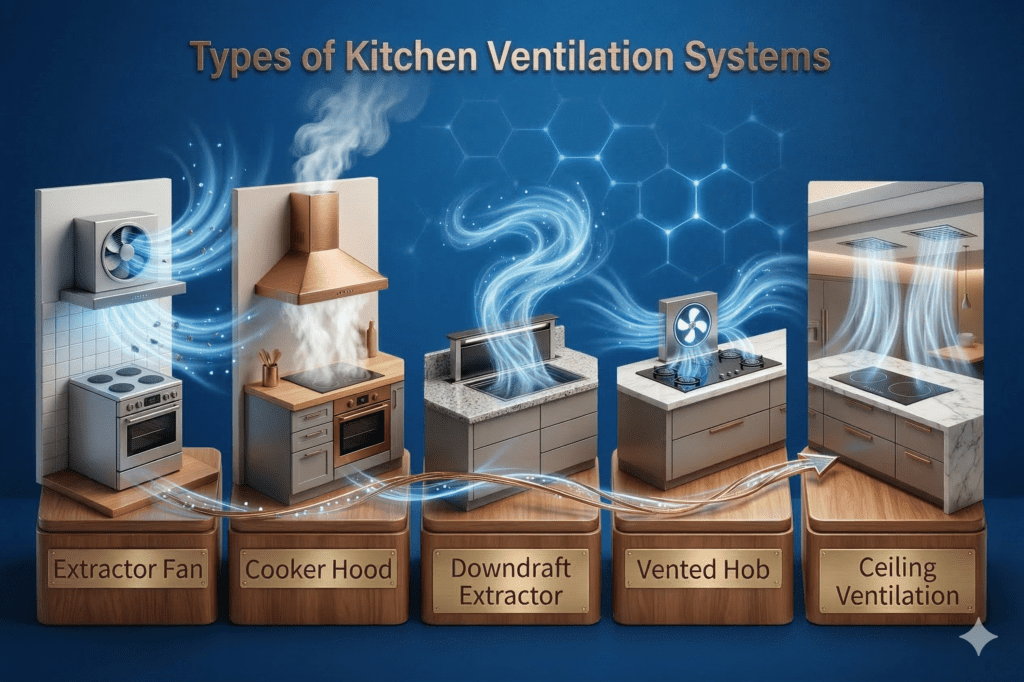
1. Extractor Fans
Extractor fans are one of the simplest and most cost-effective ventilation solutions and are typically installed in:
- external walls
- windows
- ceilings
The fan pulls stale air from the kitchen and vents it outside.
Advantages
- affordable
- simple installation
- effective for small kitchens
Limitations
- less powerful than cooker hoods
- may not capture grease directly above the hob
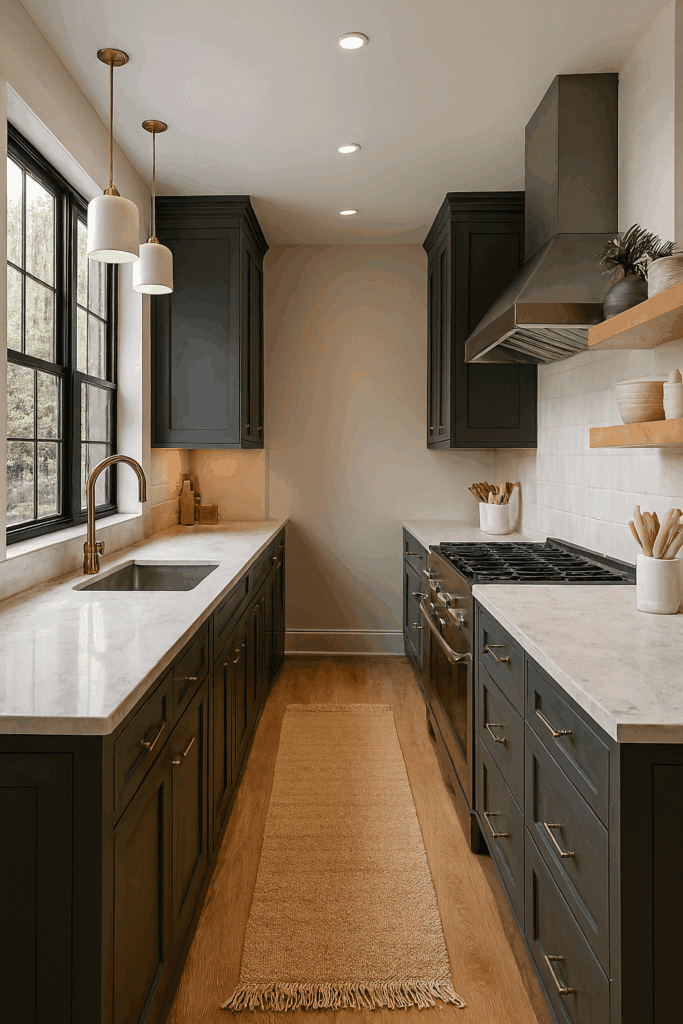
2. Cooker Hoods
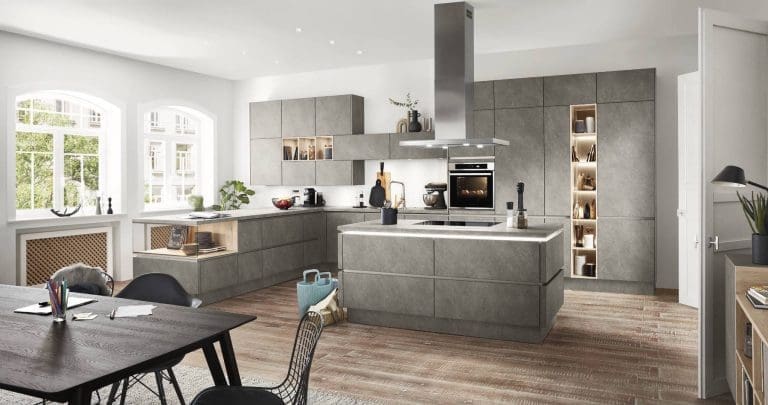
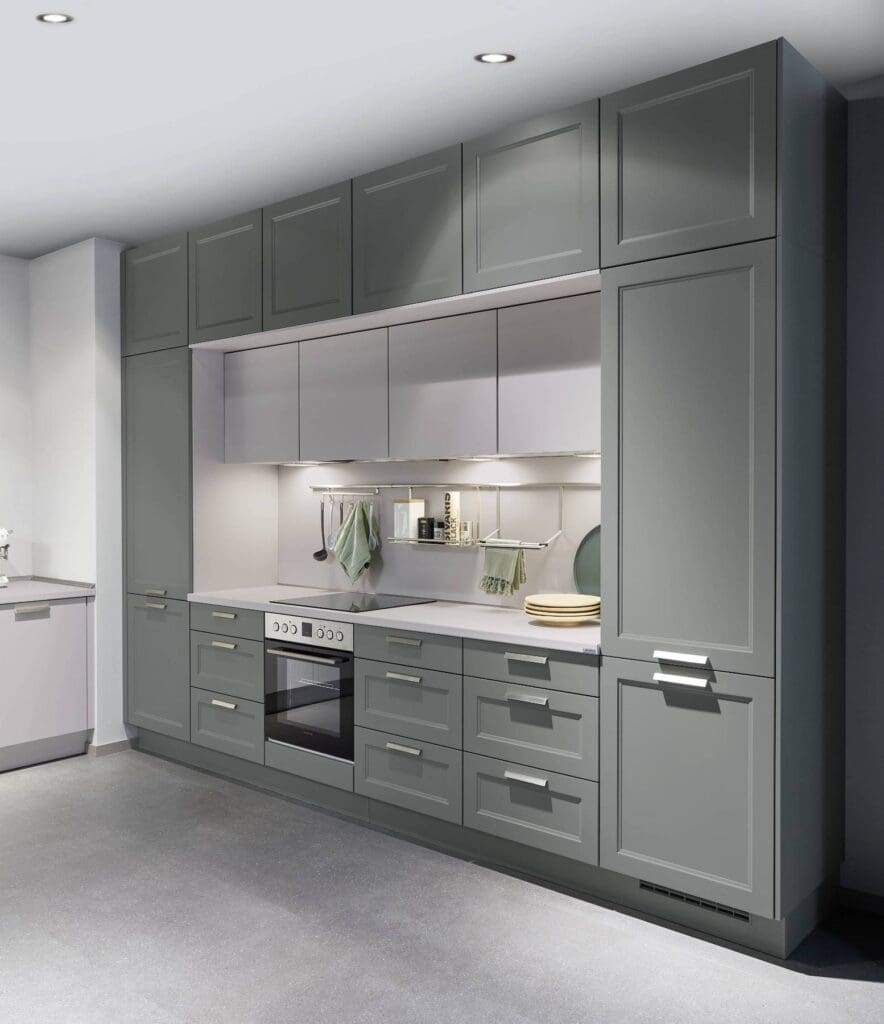
Cooker hoods (also called range hoods) are the most common kitchen ventilation system. They are installed directly above the cooking area to capture steam, smoke and grease as it rises.
Cooker hoods usually include:
- a fan
- grease filters
- lighting
- ducting or recirculation filters
Common types of cooker hoods
- chimney hoods
- integrated hoods
- canopy hoods
- island hoods
These designs allow the hood to suit different kitchen layouts.

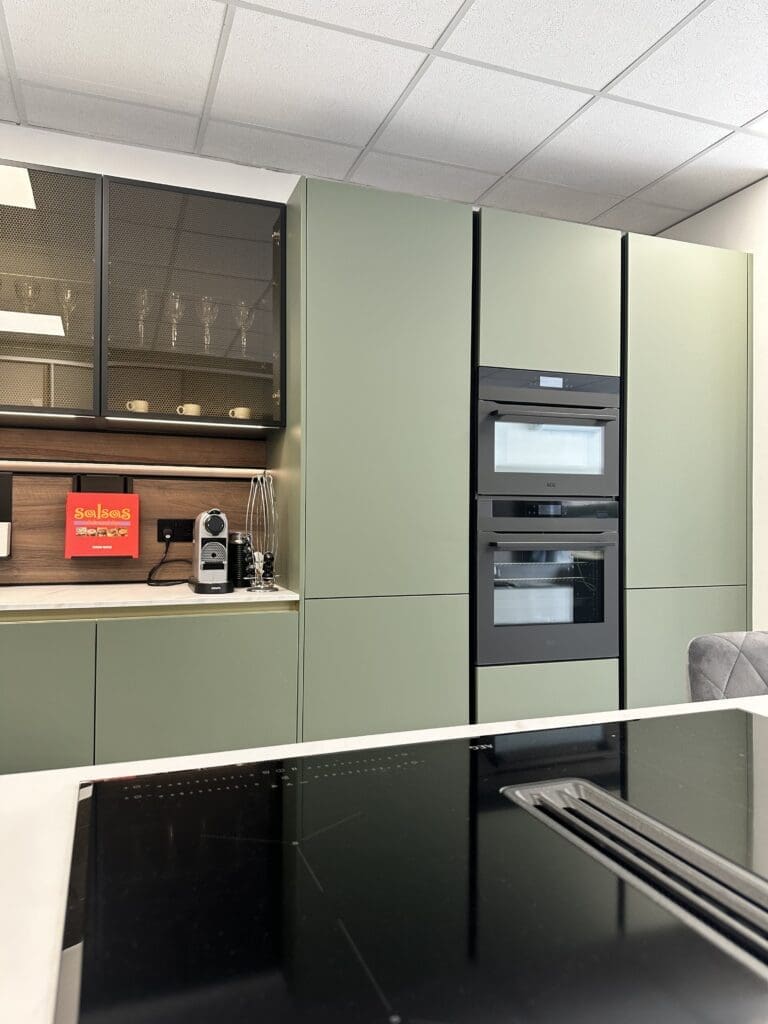
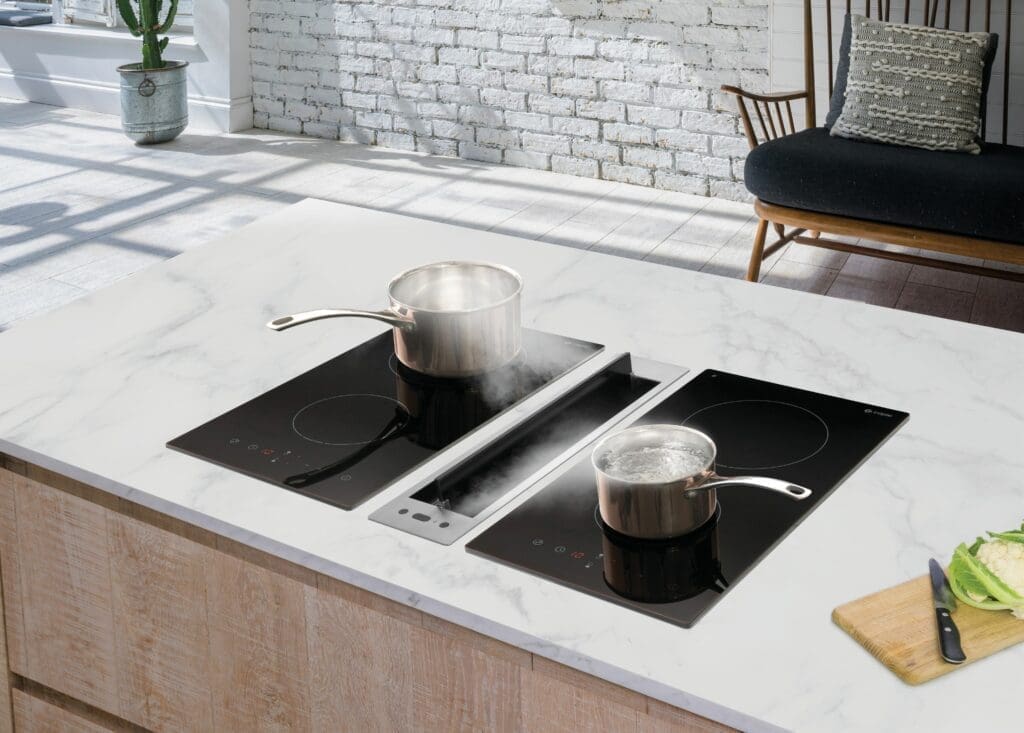
3. Downdraft Extractors
Downdraft extractors are installed beside or behind the hob and instead of capturing air rising upwards, they pull cooking vapours downwards into a ventilation duct.
This type of system is often used in:
Advantages
- visually discreet
- ideal for island cooking areas
Limitations
- may be less effective for tall cookware
4. Vented Hobs
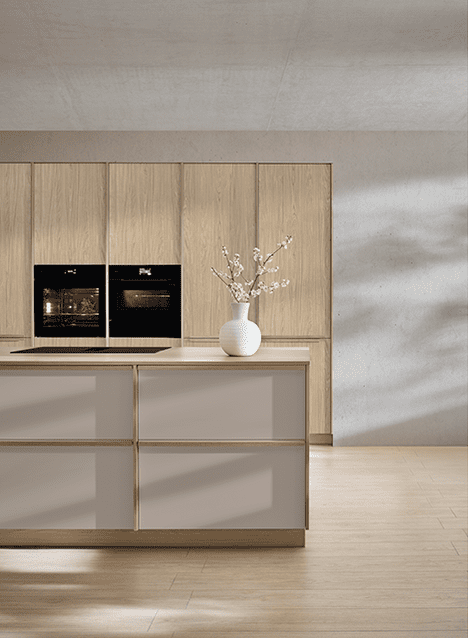
Vented hobs integrate the hob and extractor into a single appliance. In this system, a built-in extractor located at the centre or edge of the hob draws steam and cooking vapours directly downward. Because the extraction point sits very close to the cooking zone, these systems can capture steam quickly before it disperses.
Benefits of vented hobs
- eliminates the need for overhead hoods
- suits open-plan kitchens
- modern minimalist design
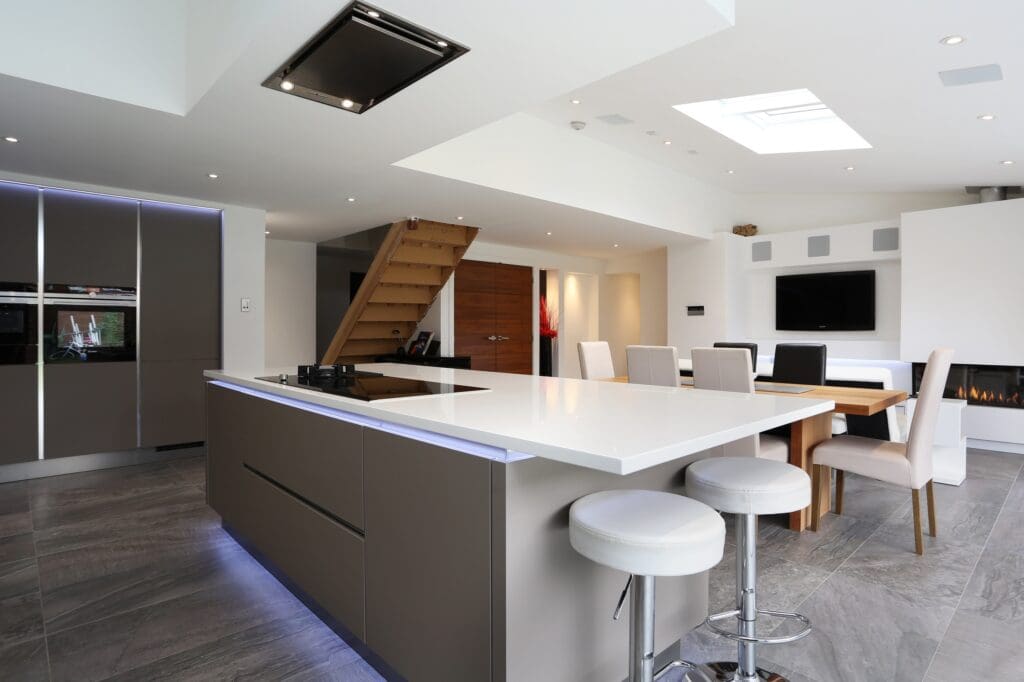
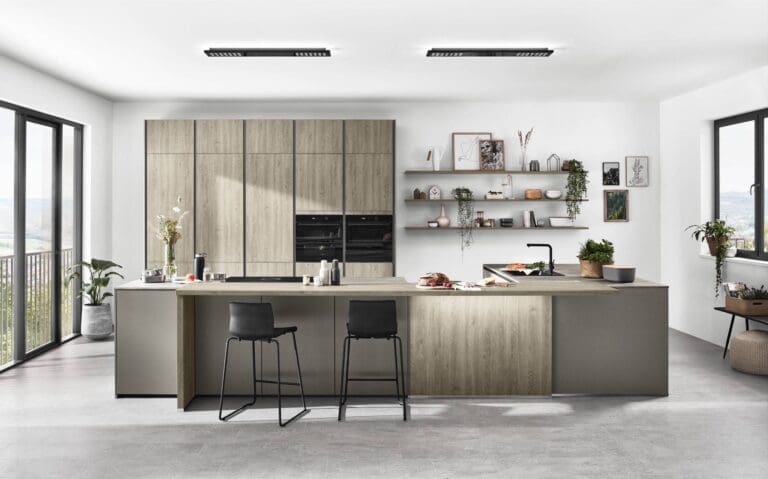
5. Ventilated Ceilings
Ventilated ceilings are an integrated extraction system installed across part or all of the kitchen ceiling. This type of system used to be more commonplace in commercial kitchens but is now increasingly appearing in high-end residential kitchens too.
They combine:
- ventilation
- lighting
- grease filtration
Benefits
- very effective extraction coverage
- minimal visual clutter
- even airflow across the cooking area
6. Heat Recovery Ventilation (HRV)
Heat recovery ventilation systems (HRVs) provide whole-house ventilation while improving energy efficiency.
They work by:
- Extracting warm stale air from the home
- Using that heat to warm incoming fresh air
- Circulating fresh air throughout the property
In kitchens, HRV systems can complement local extraction systems such as cooker hoods.
Choosing the Right Kitchen Ventilation System
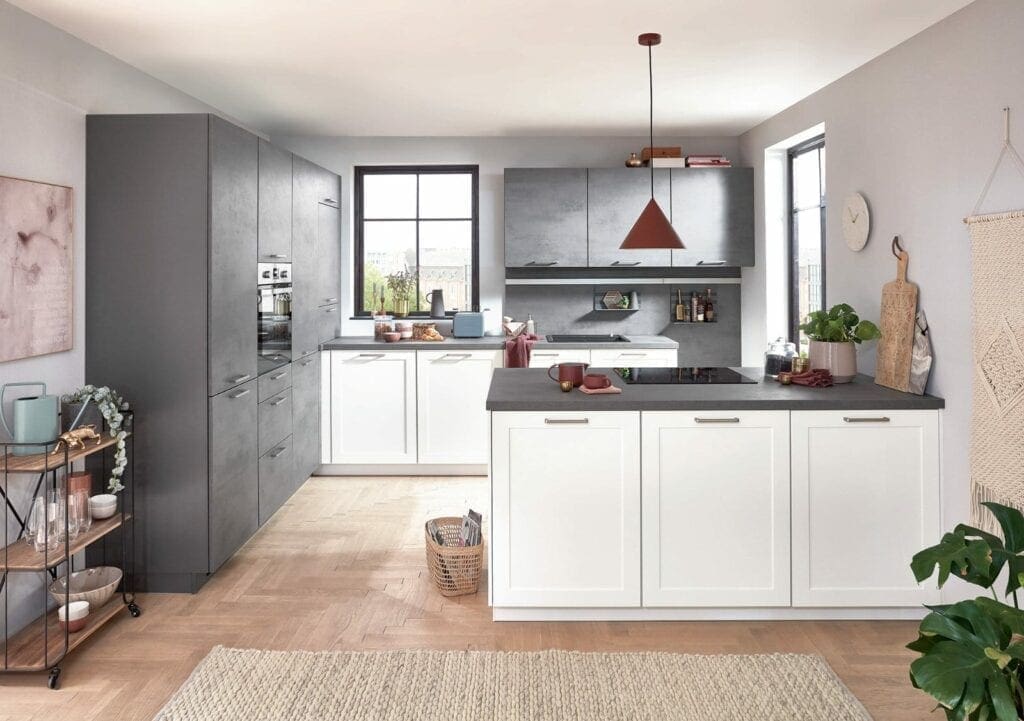
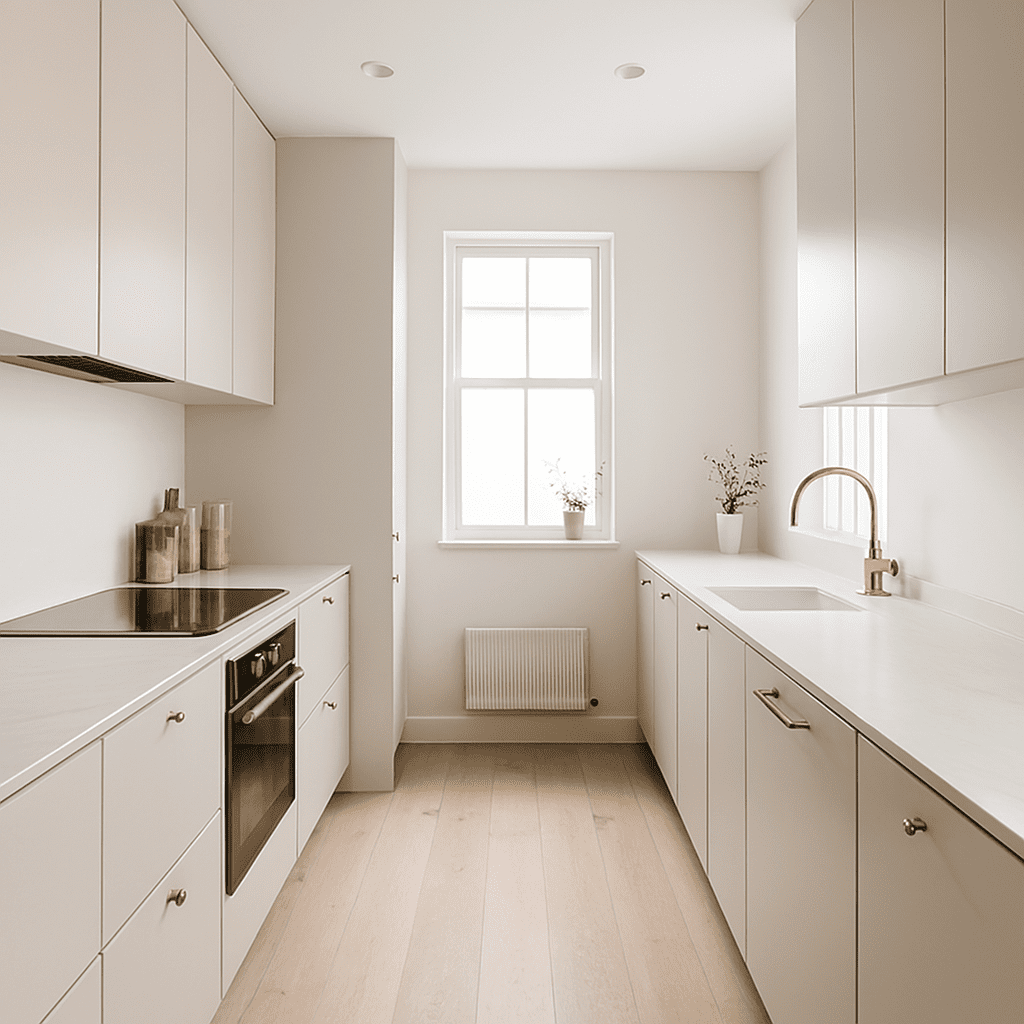
Selecting the right system depends on several factors.
- Kitchen layout
Island kitchens may require downdraft extractors or ceiling ventilation. - Cooking habits
Frequent frying or high-heat cooking may require more powerful extraction. - Installation constraints
Some systems require external ducting which isn’t always possible. - Design preferences
Some homeowners prefer discreet solutions such as integrated or downdraft systems.
Common Kitchen Ventilation Mistakes
Poor kitchen ventilation planning can reduce the effectiveness of the system. Common kitchen ventilation mistakes include:
- Undersized extractor fans
Small extractors may struggle to remove large volumes of steam. - Poor ducting design
Long or narrow ducts reduce airflow efficiency. - Installing extractors too high above the hob
Extraction works best when positioned at the recommended height. - Ignoring recirculation filter maintenance
Filters must be replaced regularly to remain effective.

Why Kitchen Ventilation Matters in Open-Plan Kitchens
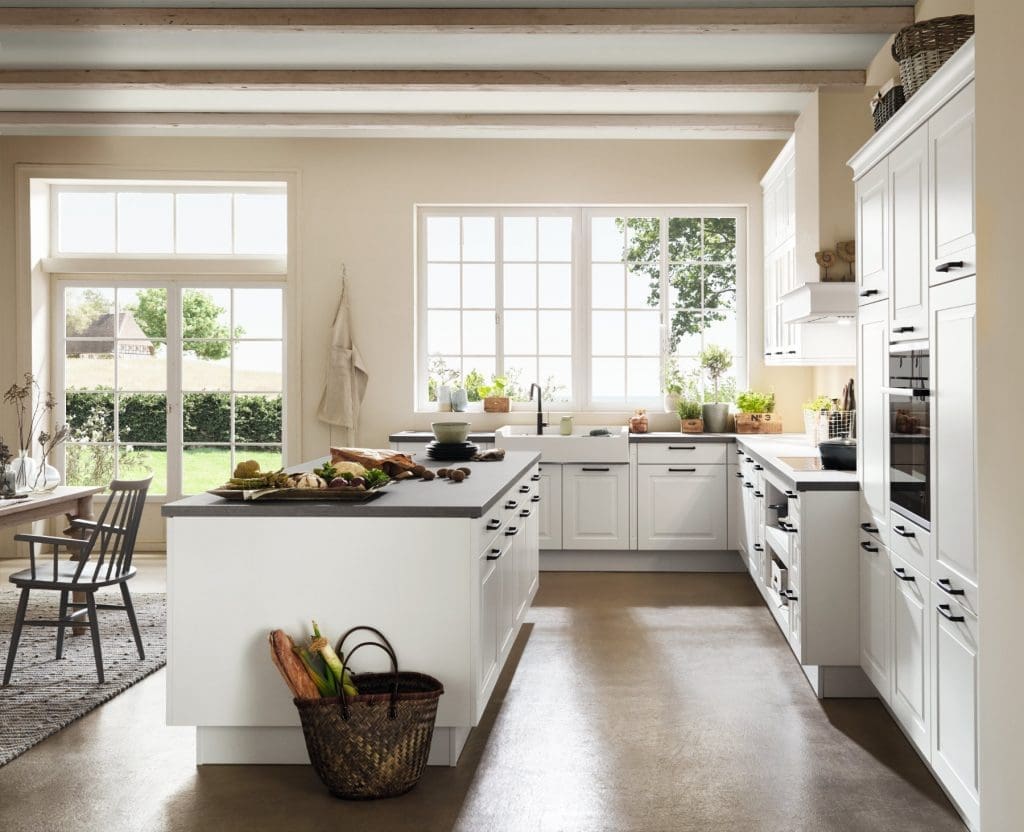
Modern homes increasingly feature open-plan kitchen layouts. In these spaces, effective ventilation is even more important because cooking emissions can spread easily into living areas.
Effective extraction helps prevent:
- cooking smells travelling through the home
- moisture affecting other rooms
- grease particles settling on furniture
FAQs
Do all kitchens need ventilation?
Yes. All kitchens benefit from ventilation to remove steam, heat and cooking pollutants.
What is the best type of kitchen ventilation?
Cooker hoods with external ducting are typically the most effective solution, although downdraft systems and vented hobs are increasingly popular.
Are recirculating cooker hoods effective?
Recirculating hoods can work well when external ducting is not possible, but they are generally less effective than ducted systems.
Do vented hobs replace cooker hoods?
Yes. Vented hobs combine the cooking surface and extractor into a single appliance.
How powerful should a kitchen extractor be?
The required power depends on kitchen size, cooking style and ceiling height. Larger kitchens usually require stronger extraction.
Do open plan kitchens need stronger ventilation?
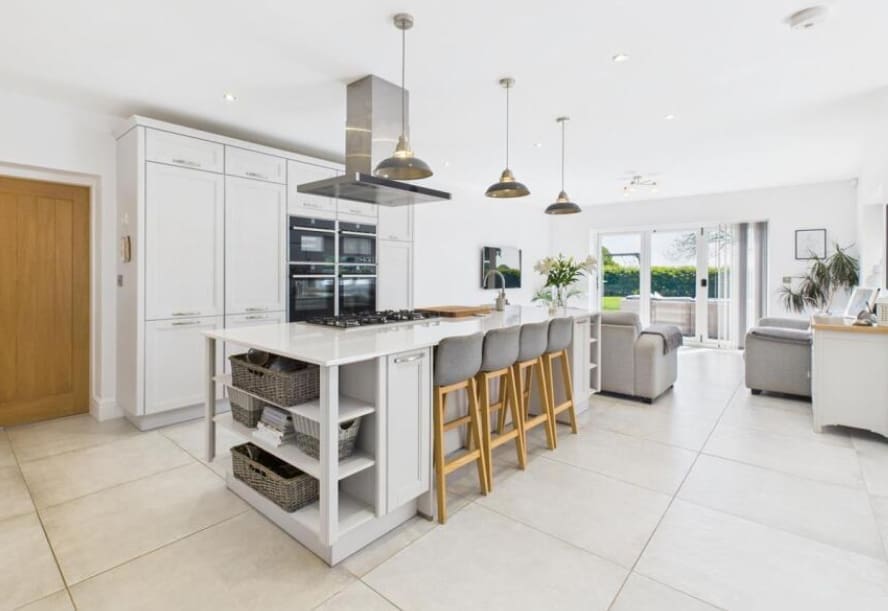
Yes. Because cooking vapours can travel more easily through open spaces, effective extraction is especially important.
Final Thoughts
Kitchen ventilation is a critical part of everyday kitchen functionality that directly affects comfort, air quality and the long-term condition of the room.
From traditional cooker hoods to modern vented hobs and ceiling extraction systems, there are many solutions available to suit different kitchen layouts and design preferences.
By taking time to choose a suitable ventilation system and ensuring it is installed correctly, you can effectively create a kitchen environment that remains fresh, comfortable and healthy during everyday cooking.
Author’s Note
This guide was compiled using aggregated insight from independent kitchen retailers within the Kitchen Experts network. All our retailers are highly experienced and work with a wide range of kitchen layouts, appliances and ventilation systems, whilst regularly advising homeowners when comparing kitchen ventilation options.