Galley kitchens are one of the most efficient kitchen layouts available. Known for their parallel cabinet runs and compact working corridor, this layout has long been used in professional kitchens, ships and aircraft because of its practicality and space efficiency. In residential kitchens, the galley layout is particularly common in apartments, terraces and smaller homes where space is limited. When designed well, it can create a highly organised cooking environment where everything needed for meal preparation is within easy reach.
This guide explains how galley kitchens work, when they are the right layout choice, their advantages and limitations, and the key design considerations when planning a successful galley kitchen.
What Is a Galley Kitchen?
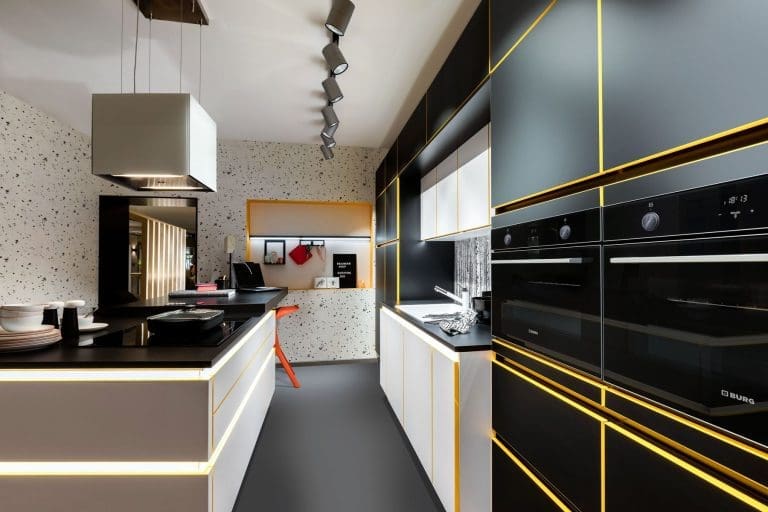
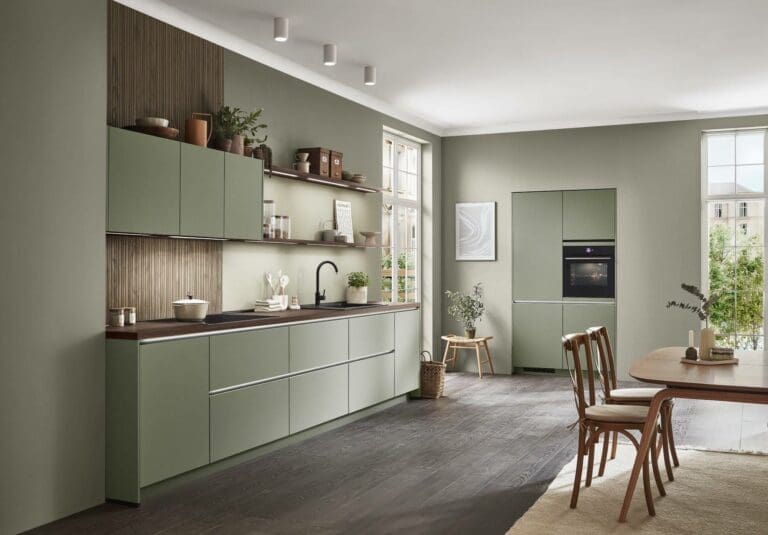
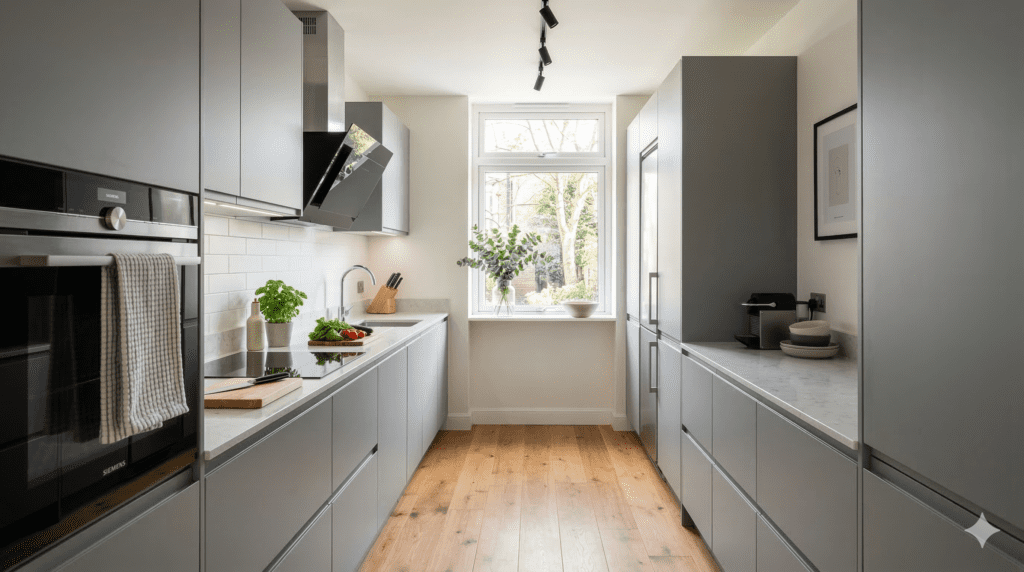
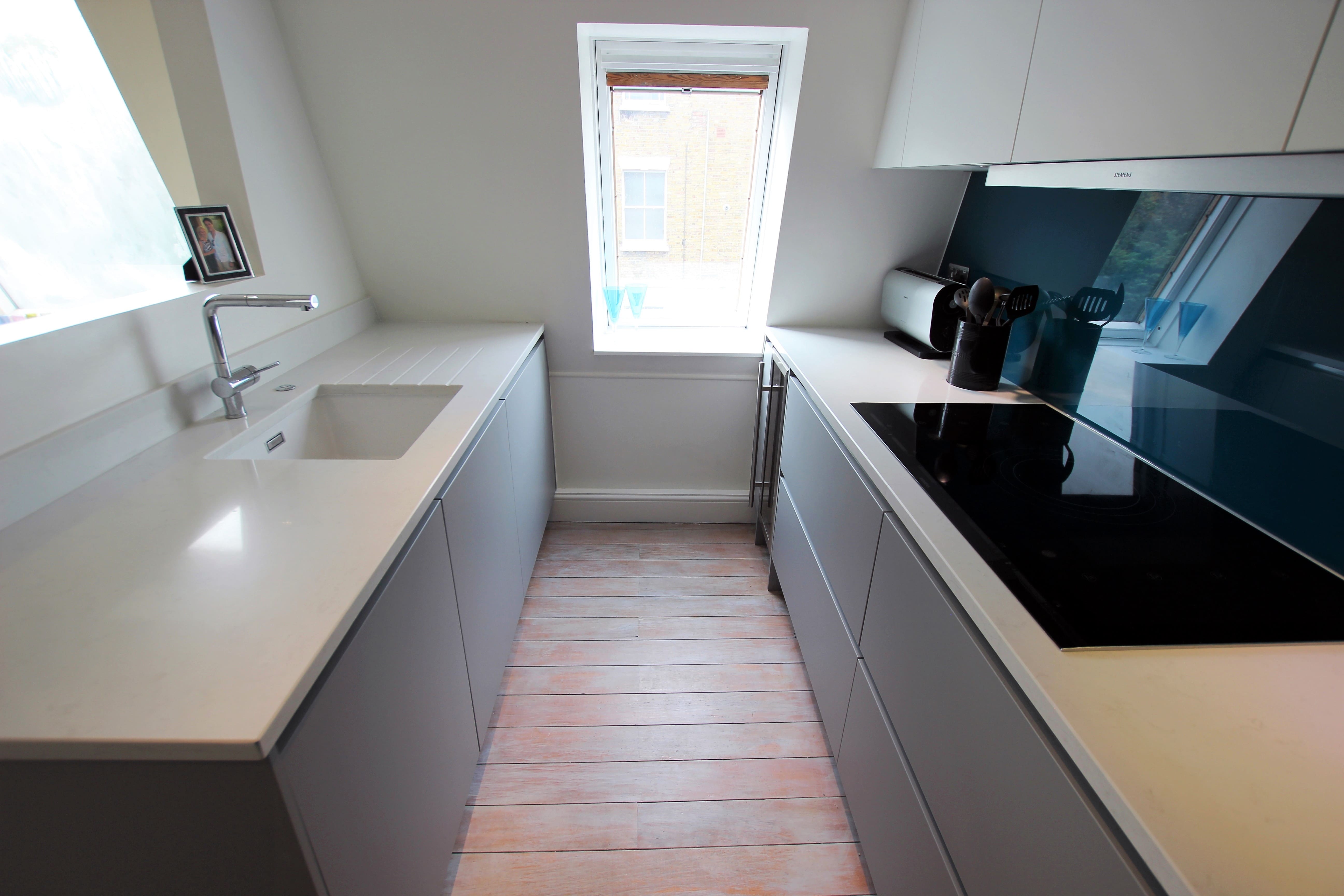
A galley kitchen is a kitchen layout consisting of two parallel runs of cabinets and appliances facing each other, creating a central corridor workspace. This design maximises efficiency by placing cooking, preparation and storage areas within easy reach.
Why Galley Kitchens Are Known for Efficiency
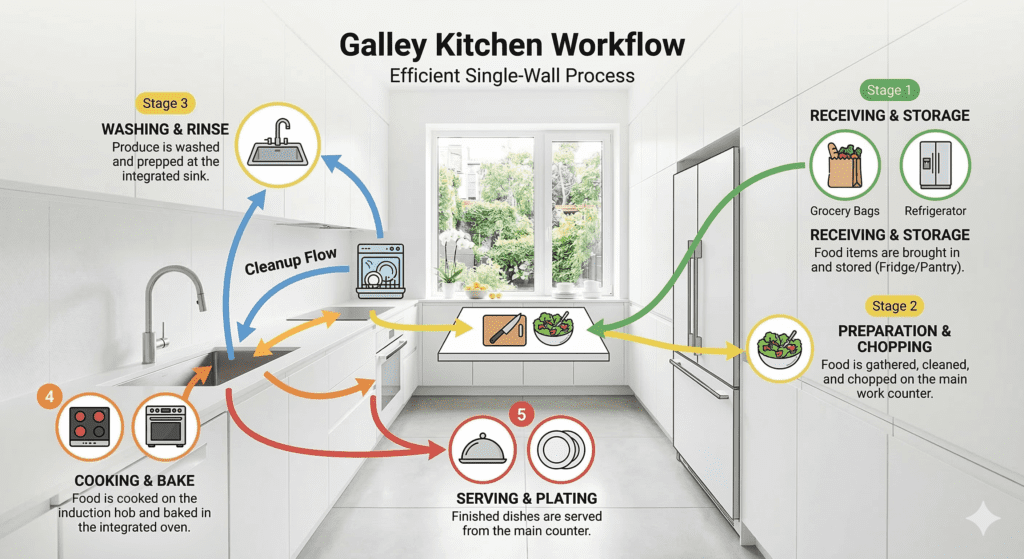
The galley kitchen layout is often praised for its efficiency because it minimises unnecessary movement while cooking.
With two opposing runs of cabinetry, the cook can easily turn between work surfaces, appliances and storage without walking across a large space. This is why galley layouts have historically been used in professional kitchens and other compact environments where efficiency is essential.
In many cases, the sink and hob are placed on opposite runs of cabinetry, allowing the cook to pivot between the two while preparing food. Storage, utensils and appliances can also be positioned close to preparation areas, helping to streamline everyday cooking tasks.
Advantages of a Galley Kitchen Layout
- Excellent workflow
Because everything is located along two parallel runs, a galley kitchen allows the cook to move quickly between preparation, cooking and cleaning zones. - Space efficiency
Galley kitchens make excellent use of limited space. They can work particularly well in apartments, narrow rooms or older homes where wider kitchen layouts may not be possible. - High storage potential
The long runs of cabinetry often provide generous storage space, particularly when tall units or wall cabinets are included. - Suitable for smaller kitchens
For compact homes or city apartments, the galley layout can provide a practical kitchen solution without requiring large floor areas.
Potential Limitations of Galley Kitchens
Although galley kitchens can be highly efficient, they are not always ideal for every household:
- Limited working space for multiple users
Because the layout creates a narrow corridor workspace, two people cooking simultaneously can sometimes feel crowded. - Less suitable for open-plan entertaining
Traditional galley kitchens are often enclosed, which can make them feel separate from living or dining spaces. - Narrow spaces can feel restrictive
If the distance between cabinet runs is too small, the kitchen can feel cramped. However, many of these limitations can be addressed through thoughtful planning and design.
Recommended Dimensions for a Galley Kitchen
The distance between the two cabinet runs plays an important role in how comfortable the kitchen feels.
Typical guidelines include:
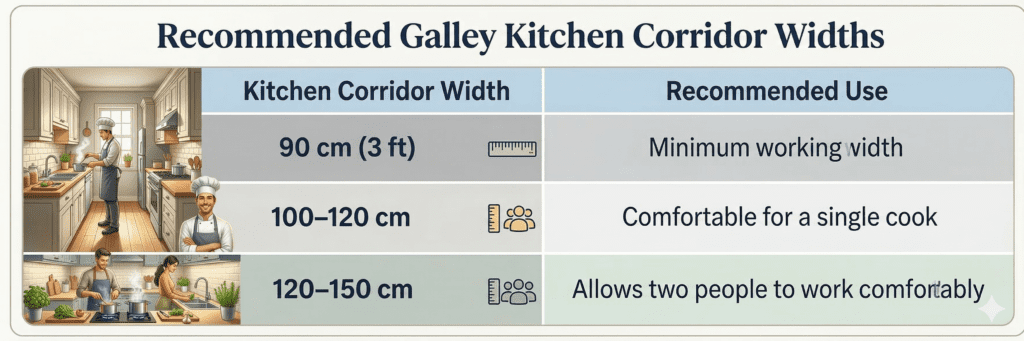
If the corridor becomes too wide, the layout can lose its efficiency because the cook must walk further between work zones.
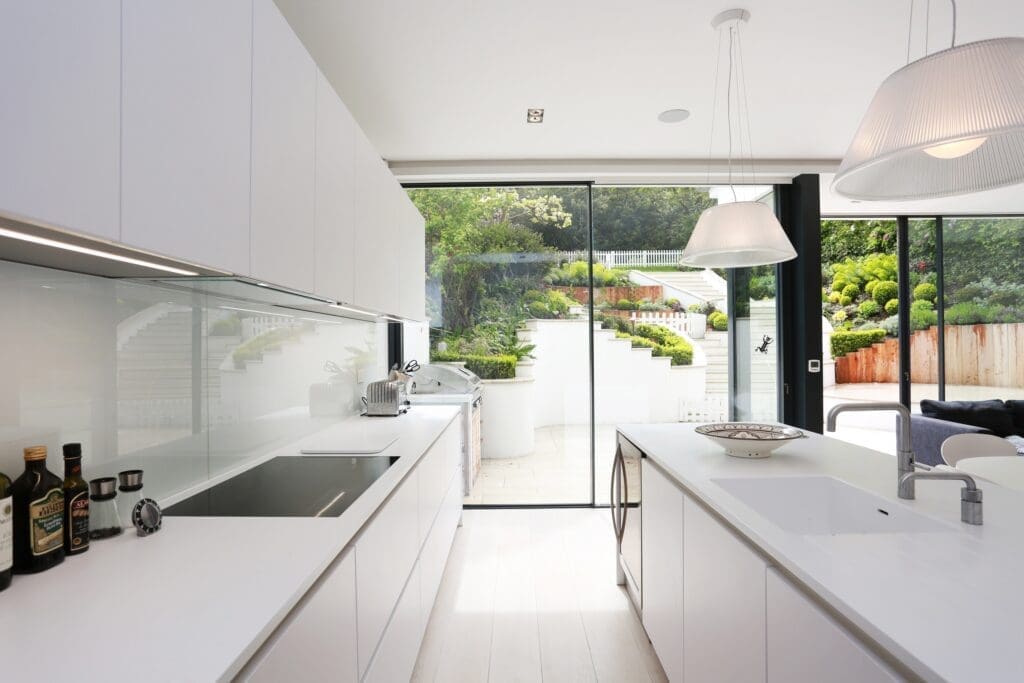
Galley Kitchens with Islands or Peninsulas
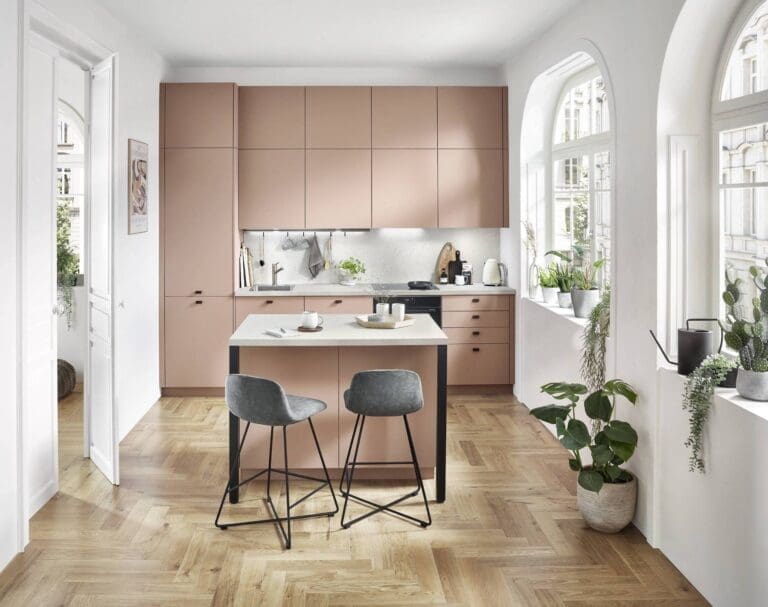
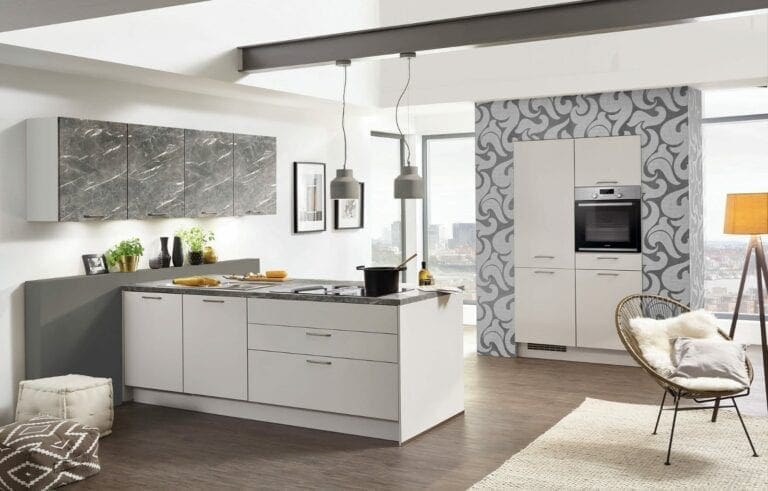
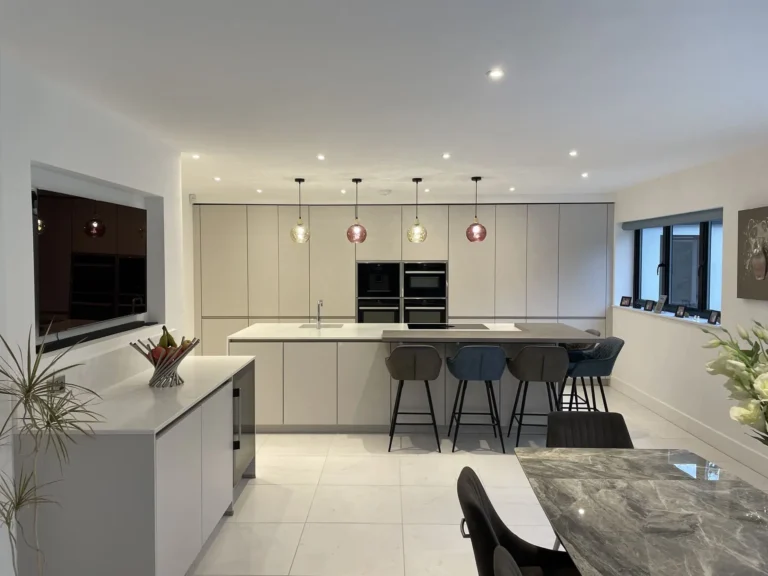
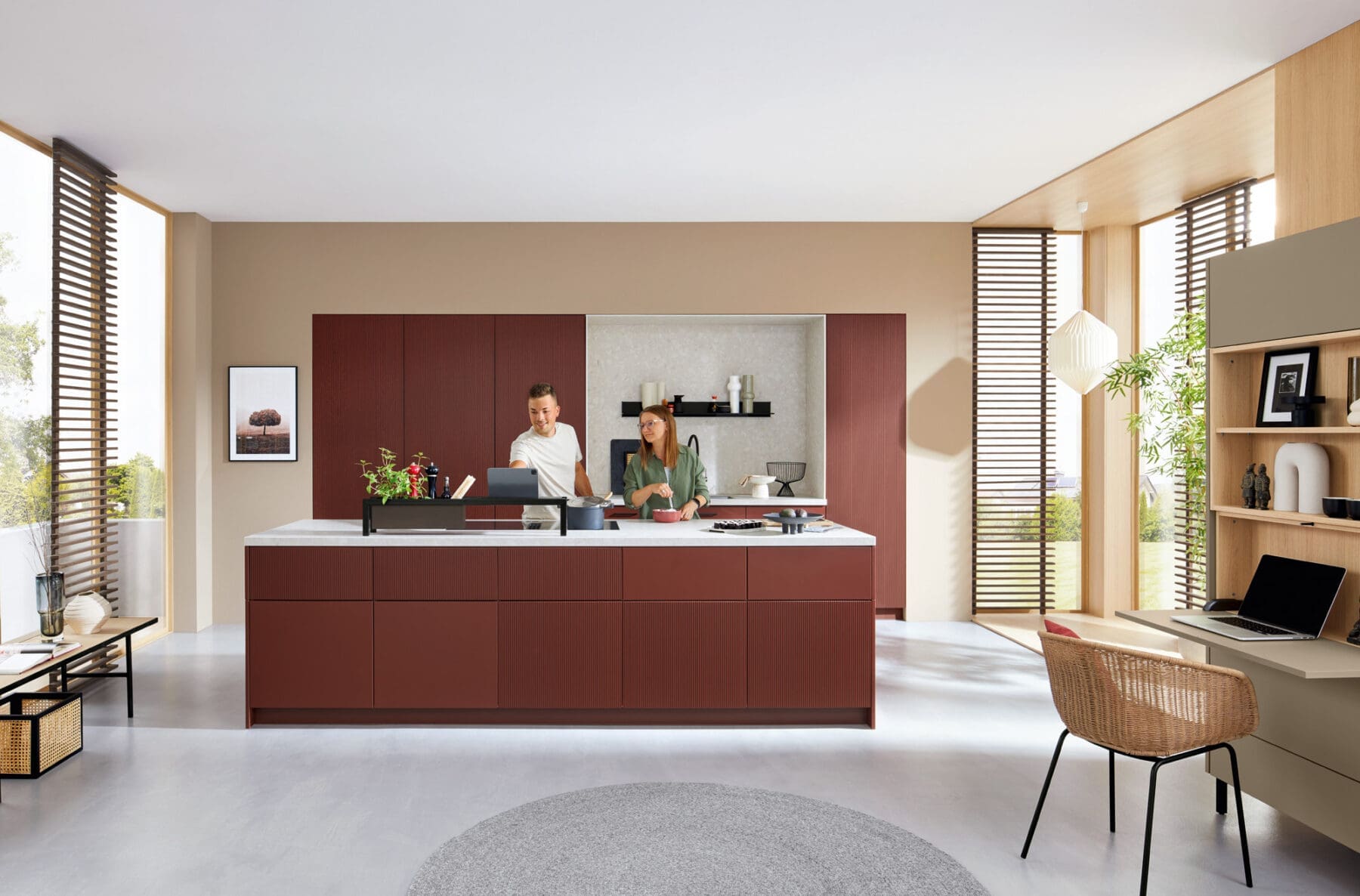
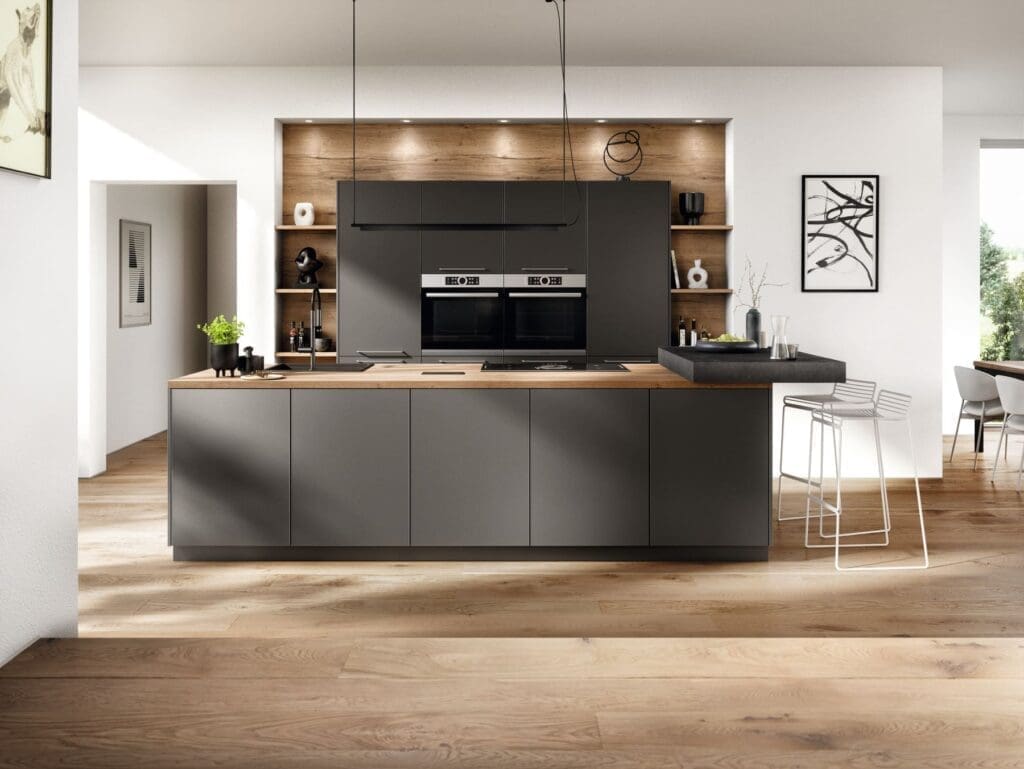
Although traditional galley kitchens consist of two cabinet runs, some modern designs incorporate a kitchen island or peninsula when space allows.
In larger kitchens, replacing one run of cabinets with a peninsula can help open the space and create opportunities for seating or social interaction.
Possible uses for an island or peninsula include:
- additional preparation space
- casual dining
- extra storage
- integrated appliances
However, sufficient clearance must be maintained to ensure comfortable movement around the kitchen.
Planning a Galley Kitchen Layout
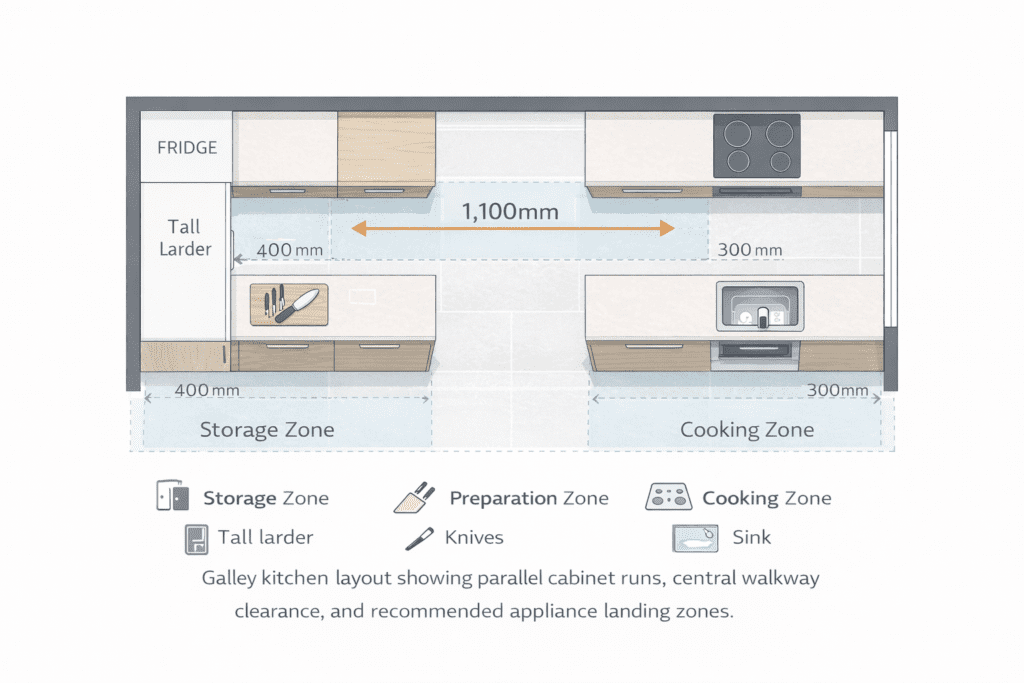
Designing a successful galley kitchen requires careful planning to ensure the layout remains practical and comfortable:
- Consider appliance placement
Appliances should be positioned to maintain an efficient workflow. For example, the fridge is often placed at one end of the kitchen to avoid interrupting the main preparation area.
The sink and hob are typically separated along opposing cabinet runs to allow easy movement between tasks. - Balance storage and openness
While storage is important, too many tall cabinets can make a narrow kitchen feel enclosed.
Combining tall units with open shelving or shorter wall cabinets can help create a lighter, more open feel. - Use lighting effectively
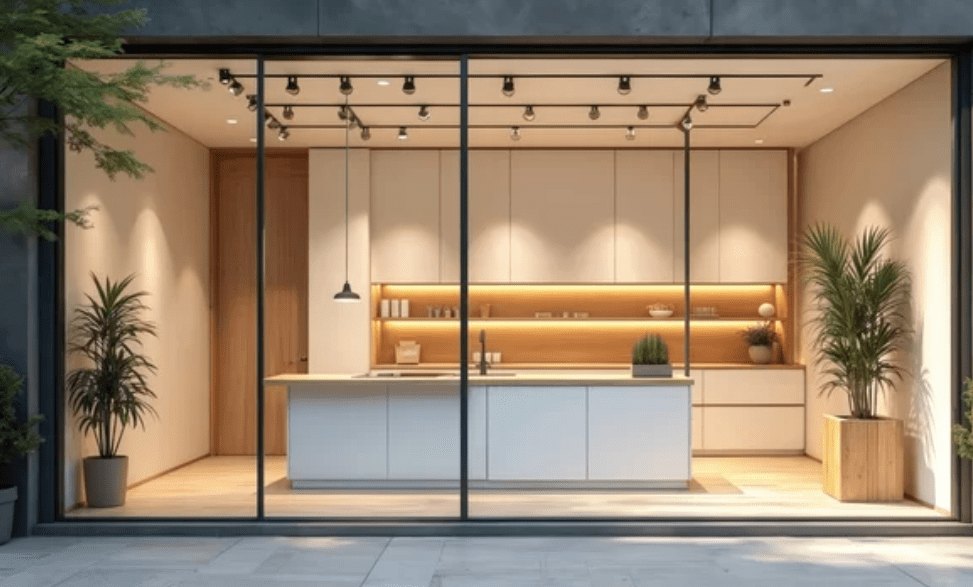
Good lighting can help make a narrow kitchen feel brighter and more spacious.
Under-cabinet task lighting is particularly useful in galley kitchens because it illuminates the work surfaces directly.
Narrow Galley kitchen ideas
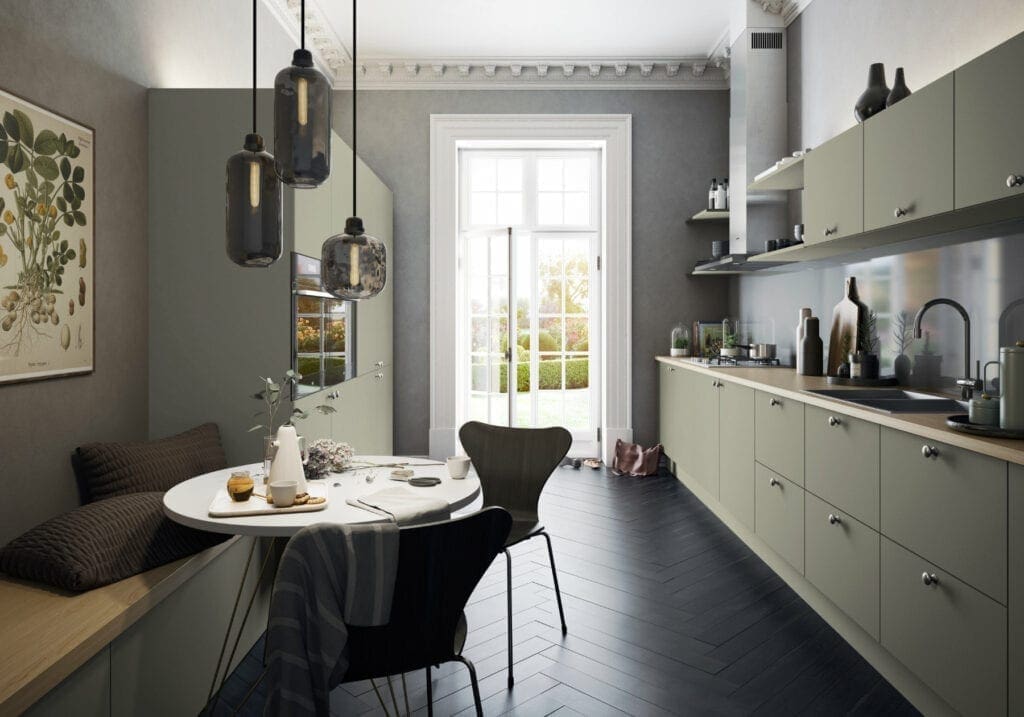
The absolute minimum width between opposing worktops in a galley kitchen layout is 3 feet, whilst 4-5 feet is optimal. Very narrow galley kitchen spaces are best suited for a single user but there are many modern kitchen solutions designed to help you maximise space.
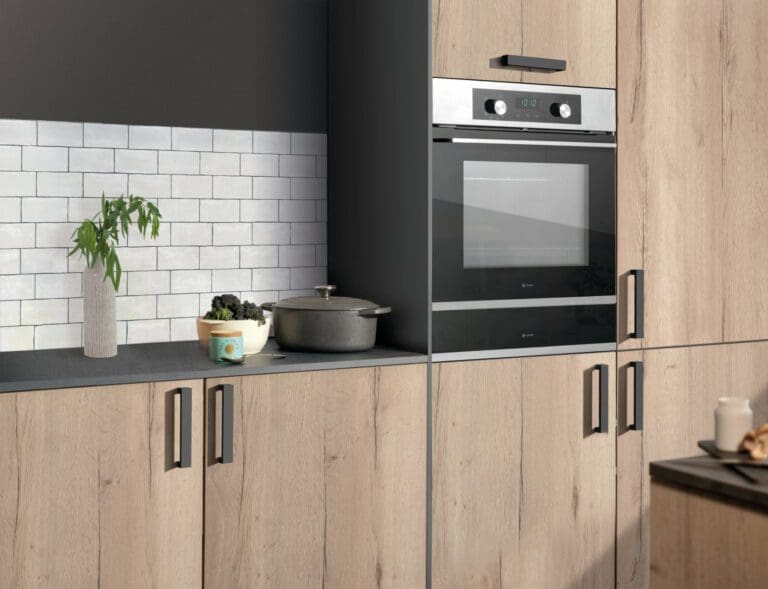
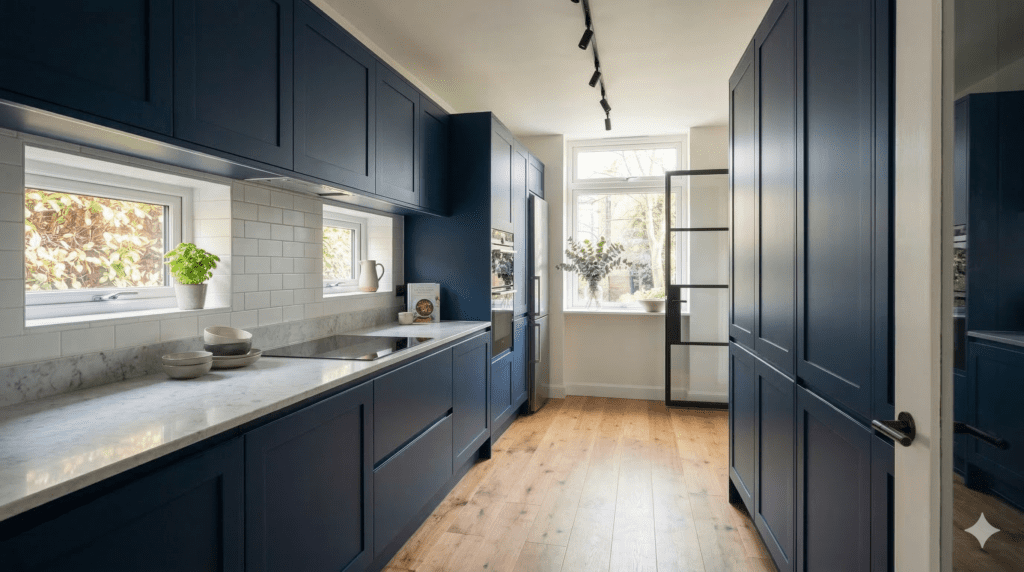
From the popular handleless kitchen style to wide pan drawers with generous and easily accessible storage, to hidden spice racks and narrow pull-out drawers. Similarly, the colour schemes and finishes you choose for a narrow kitchen can effectively create the illusion of more space. White gloss doors are ideal for this, or alternatively, dark base cabinetry with light-toned wall units and surfaces creates a layered and light kitchen look. Work with an experienced kitchen designe,r and with careful planning, you can achieve a stunning small galley kitchen space that works for you exactly as needed.

Design Ideas for Narrow Galley Kitchens
When working with a narrow kitchen, thoughtful design choices can help make the space feel larger and more comfortable.
- Light colours and reflective surfaces
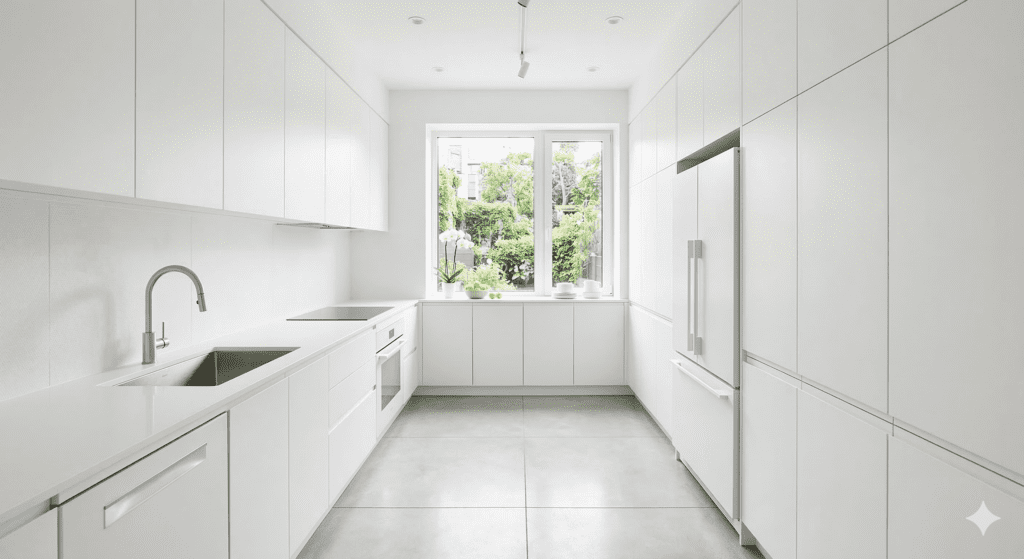
Light-coloured cabinetry, worktops and splashbacks can help reflect light and create the impression of a more spacious room. - Handleless cabinetry
Handleless kitchens are popular in narrow spaces because they create smooth cabinet lines and reduce visual clutter. - Consistent materials
Using consistent finishes across cabinets and worktops can create a more cohesive look that helps the kitchen feel less crowded. - Efficient storage
Pull-out pantry units, corner storage systems and internal drawer organisers can help maximise the available cabinet space.
Appliances for Galley Kitchens
Appliance selection can have a significant impact on how well a galley kitchen functions.
Many homeowners choose integrated appliances in galley kitchens because they help maintain a clean, streamlined appearance.
Space-saving appliance options may include:
- built-in ovens and microwaves
- slimline dishwashers
- integrated fridge-freezers
- compact induction hobs
Positioning appliances carefully can also help prevent congestion within the central corridor.
Is a Galley Kitchen Right for Your Home?
Galley kitchens can be an excellent solution for homes where space is limited or where an efficient cooking environment is desired.
They are particularly well-suited to:
- smaller homes or apartments
- narrow rooms
- households with one primary cook
- kitchens where efficiency is a priority
However, households that frequently cook together or entertain guests may prefer more open layouts, such as L-shaped kitchens or kitchens with islands.
Ultimately, the most suitable kitchen layout will depend on the size of the room, the number of users and how the space will be used on a daily basis.
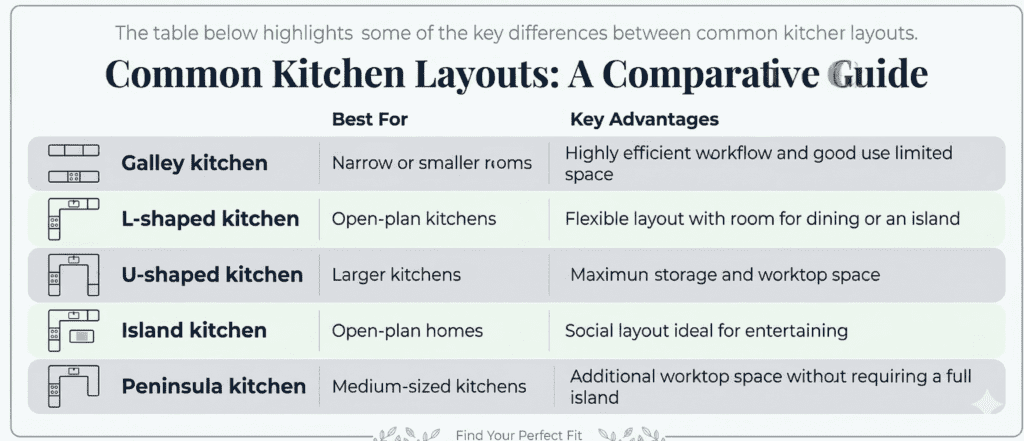
Galley Kitchen vs Other Kitchen Layouts
When planning a new kitchen, homeowners often compare several different layouts before deciding which works best for their space. While galley kitchens are known for their efficiency, other layouts may offer advantages depending on the size of the room and how the kitchen will be used.
While galley kitchens work particularly well in smaller homes and apartments, larger spaces may benefit from layouts that allow for more social interaction or multiple cooks working at the same time.
Understanding the advantages of each layout can help homeowners choose the kitchen design that best suits their space and lifestyle.
Final Thoughts
The galley kitchen remains one of the most practical and efficient kitchen layouts available. When carefully planned, it can provide excellent storage, streamlined workflow and efficient use of space.
Although the layout is most commonly used in smaller kitchens, thoughtful design choices such as lighting, colour schemes and appliance placement can help ensure the space feels comfortable and visually appealing.
Understanding the advantages and limitations of the galley layout can help homeowners decide whether it is the right choice for their kitchen.
Author’s Note
This guide has been compiled using insights from independent kitchen retailers within the Kitchen Experts network. These retailers regularly help homeowners explore kitchen layout options and cabinetry solutions suited to different room sizes and household needs.

Galley Kitchen FAQs
What is a galley kitchen layout?
A galley kitchen is a kitchen layout consisting of two parallel runs of cabinets and worktops with a central corridor in between. This arrangement creates an efficient workspace where appliances, storage and preparation areas are positioned within easy reach.
Are galley kitchens a good layout?
Galley kitchens are considered one of the most efficient kitchen layouts because everything is positioned within close proximity. They work particularly well in smaller homes or apartments where space is limited. However, they may feel restrictive if multiple people need to cook at the same time.
What is the ideal width for a galley kitchen?
The minimum working width between cabinets in a galley kitchen is typically around 90 cm (3 feet). A corridor width of 100–120 cm is generally more comfortable for a single cook, while 120–150 cm allows two people to move around more easily.
Can a galley kitchen have an island?
Some galley kitchens can include an island or peninsula, but this depends on the size of the room. To maintain comfortable movement, there should usually be at least 100–120 cm of clearance between the island and surrounding cabinets.
How do you make a galley kitchen feel bigger?
A galley kitchen can feel more spacious by using light colours, reflective finishes and good lighting. Handleless cabinets, consistent materials and under-cabinet lighting can also help reduce visual clutter and make the space feel more open.
Can two people cook in a galley kitchen?
Yes, but the corridor width should ideally be at least 120 cm to allow comfortable movement. In narrower kitchens, the layout may work best for a single cook.
Where should appliances go in a galley kitchen?
Appliances are typically positioned along the two cabinet runs to maintain an efficient workflow. For example, the fridge may be placed at one end of the kitchen, with the sink and hob positioned on opposite runs so the cook can pivot easily between preparation and cooking areas.