Smart Technology in the Kitchen: A Practical Guide to Connected Cooking and Appliances
Smart technology is steadily reshaping how kitchens function, from simplifying everyday cooking to improving efficiency, safety, and energy use. Whether you’re planning a kitchen upgrade, researching connected appliances, or simply looking to streamline your routine, understanding how these technologies integrate into daily life is key.
Drawing on insights from across our network of Kitchen Experts, we explore how smart kitchen technology works in practice, what types of smart kitchen appliances are available, and how to make informed decisions based on real-world needs rather than trends. The aim is not to promote specific products, but to help you understand how different technologies perform in everyday scenarios and what to consider before investing.
Rather than focusing on design or aesthetics, this guide focuses on functionality—how smart systems support cooking, storage, cleaning, and energy management in a modern kitchen environment.
What Is Smart Kitchen Technology?
Smart kitchen technology refers to internet-connected appliances and systems that can be controlled remotely, automated, or integrated with other devices. This includes smart kitchen appliances such as ovens, fridges, and dishwashers that use connectivity, sensors, and software to improve efficiency, convenience, and control.
How Smart Technology Works in a Kitchen Context
In kitchens, smart technology includes appliances, lighting, and monitoring systems that can be managed via smartphone apps, voice assistants, or pre-programmed routines.
Smart kitchen technology typically centres around three core capabilities:
- Connectivity: Appliances communicate via apps or devices
- Automation: Tasks can be scheduled or triggered automatically
- Data feedback: Appliances provide insights on usage, energy, or performance
These features aim to reduce manual effort in the kitchen, improve precision and quality in cooking, and offer greater control over how you want your space to operate.
Types of Smart Kitchen Appliances
Smart kitchen appliances cover a wide range of categories, each serving different practical functions.
Smart Ovens and Cooking Appliances
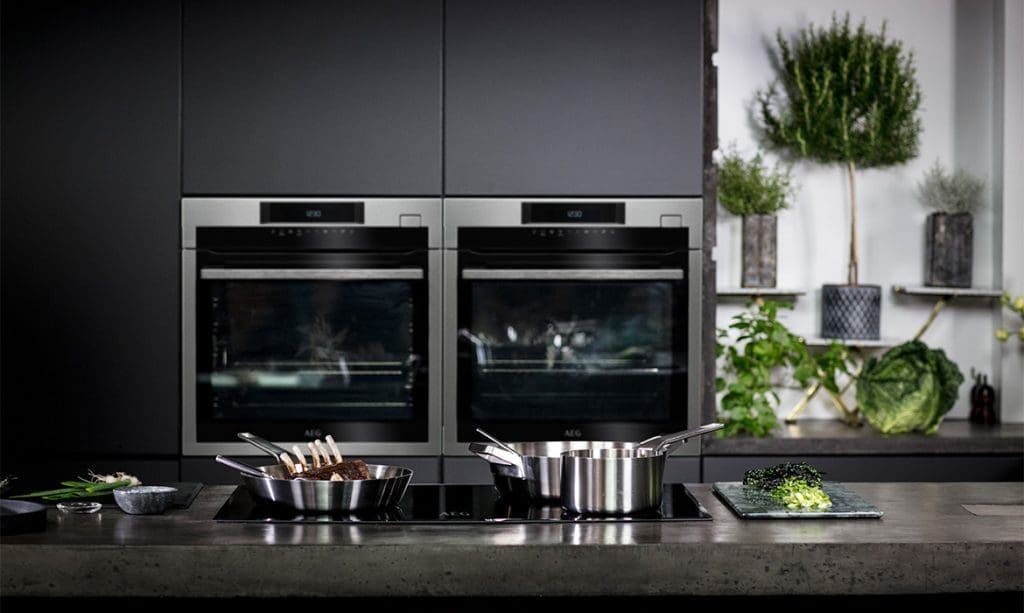
Smart ovens allow owners to control temperature, cooking modes, and timers remotely. Some models even include pre-programmed recipes or guided cooking features that adjust settings automatically for ultimate convenience.
What does this look like in practice?
For example, you can preheat the oven on your way home from work or receive alerts when a dish reaches the correct internal temperature.
Smart Refrigeration
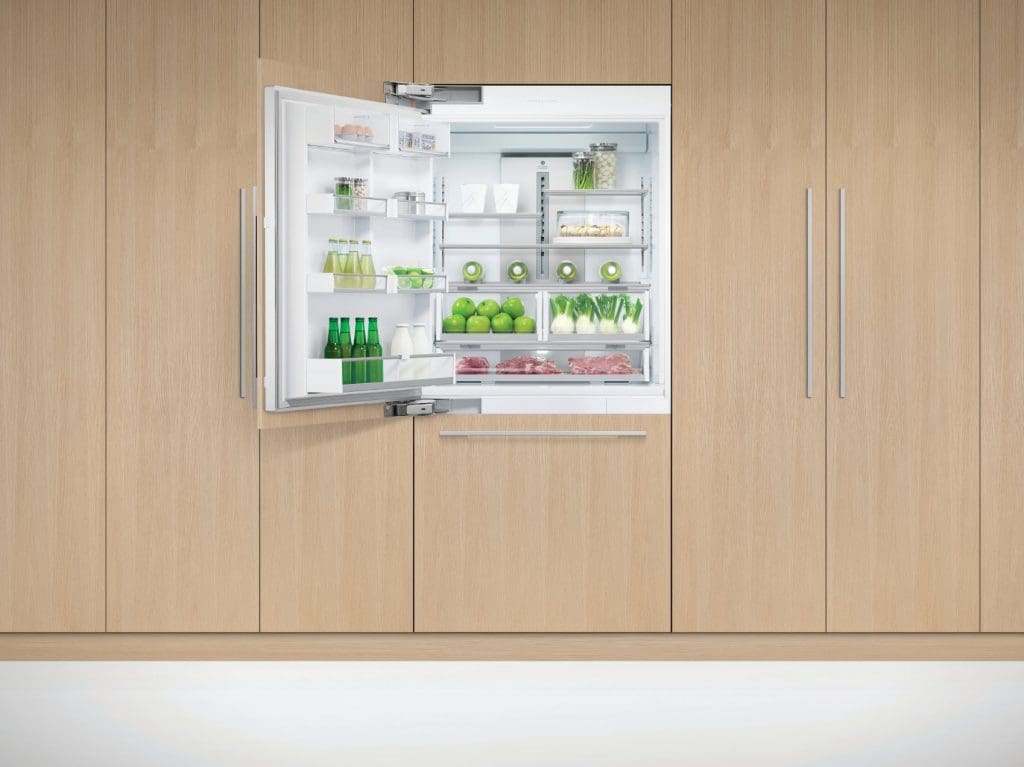
Smart fridges can track contents, monitor expiry dates, and suggest recipes based on available ingredients. Some include internal cameras that can be accessed remotely to check on your supplies.
When does this come in handy?
Checking fridge contents while shopping helps to avoid duplicate purchases and food waste.

Smart Dishwashers
These smart kitchen appliances can optimise water usage, adjust cycles based on load size, and notify homeowners when maintenance is needed.
Benefits of this include:
Saving on power costs by running your dishwasher during off-peak energy hours through scheduled cycles.
Smart Small Appliances
This category includes kettles, coffee machines, and air fryers that can be controlled via apps or voice assistants.
Make your kitchen tasks ultra convenient by:
Starting the coffee machine from bed or setting a kettle to boil at a specific time.
Smart Appliances That Work for You
Whilst the functionality of smart kitchen appliances is important, it is also valuable to first consider how kitchen technology could benefit your specific lifestyle. Taking into account your household context, consider the following:
Busy Family Homes
For families managing multiple schedules, smart kitchen appliances can reduce friction and stress in daily routines.
Consider prioritising:
- Remote control features like preheating ovens
- Notifications and alerts for helpful reminders
- Integration with voice assistants for hands-free access
Before committing to smart appliances, ask yourself: will automation meaningfully reduce time spent on routine tasks? If so, it could be worth your investment.
Energy-Conscious Residents
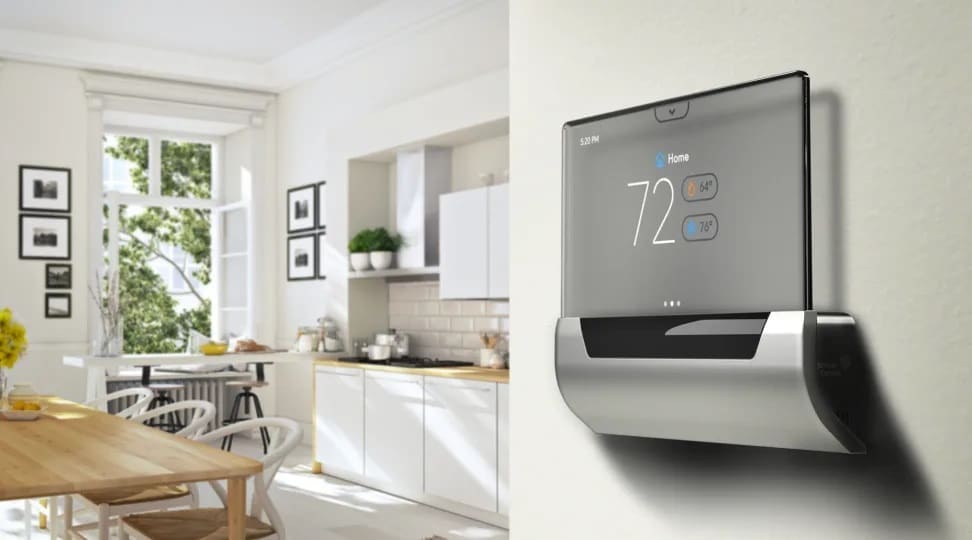
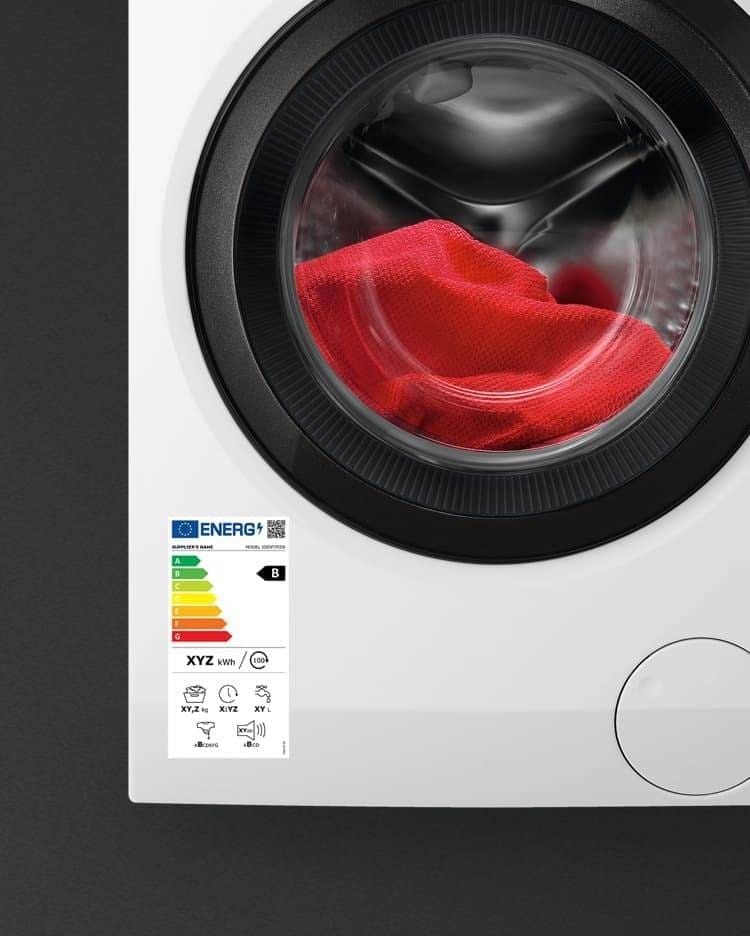
Smart technology can provide insight into energy usage and help optimise power consumption for lower energy bills and a lighter carbon footprint.
Focus on:
- Appliances with energy monitoring
- Scheduling functions for off-peak usage
- Eco modes and adaptive cycles
Before buying, check whether the appliance provides data that can help to reduce energy costs.
Enthusiastic Home Cooks
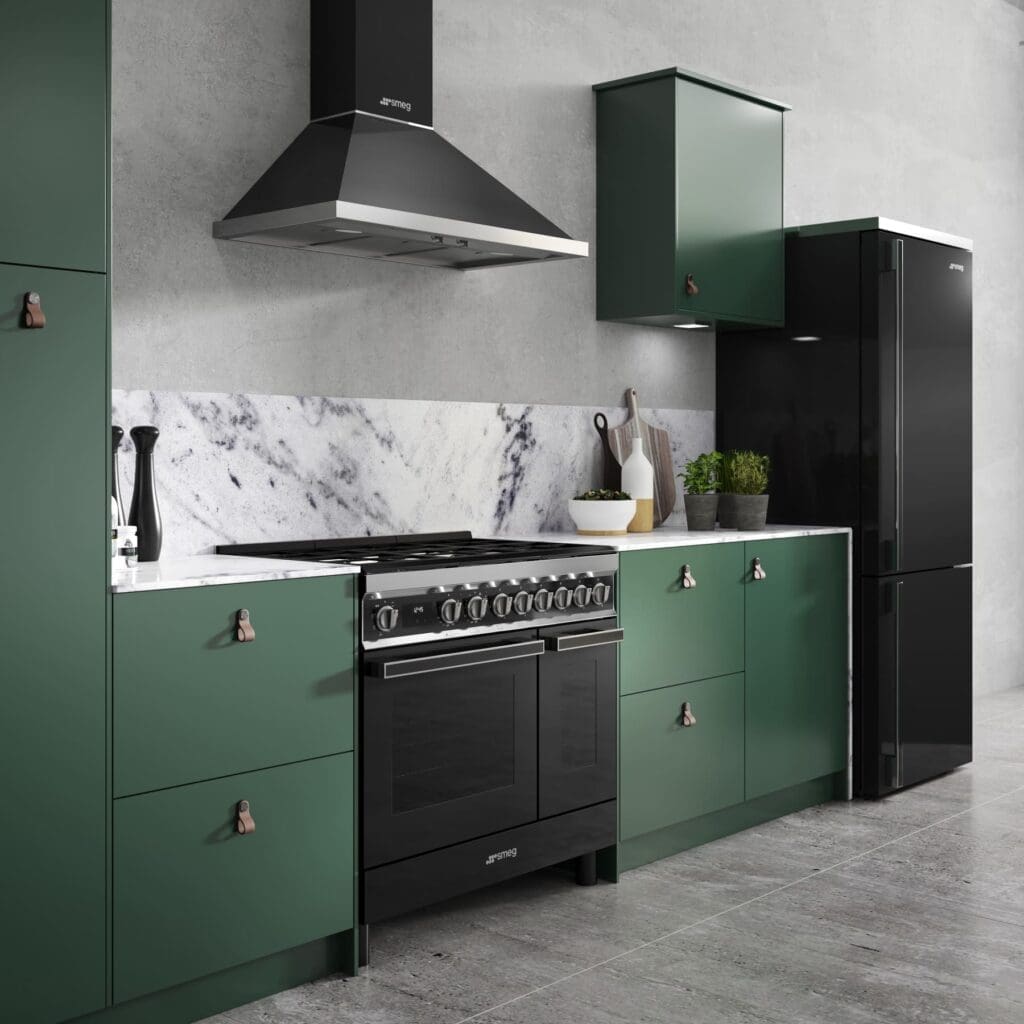
For those who cook frequently, precision and consistency are often more valuable than convenience alone.
Features to look out for:
- Smart ovens with temperature probes
- Guided cooking programmes
- Integration with recipe platforms
First see what your priorities are when it comes to smart cooking. Does the technology improve cooking accuracy or increase the variety of meals you can prepare?
Simplicity-Forward Users
Not all people benefit from fully connected systems. In some cases, added complexity can outweigh the advantages and not be worth the investment.
Consider these options:
- Standalone smart features that get everyday use rather than full ecosystems
- Simple interfaces with minimal setup
- Devices that function effectively without a connected app
Before buying, check whether the added connectivity is intuitive and helpful to you, or if it introduces unnecessary steps.
Integration and Compatibility Considerations
One of the most common challenges with smart kitchen technology is interconnectivity. Not all devices work seamlessly together, particularly across different brands, and this can cause complications.
When evaluating options, have a look at:
- Platform compatibility: e.g. Alexa, Google Home, Apple HomeKit
- App consolidation: whether multiple devices require separate apps
- Future scalability: Can you add more devices later without replacing existing ones?
A system that doesn’t work harmoniously can reduce the overall benefit of smart technology, so it’s worth planning how your devices will interact from the start.

Data, Privacy, and Reliability
Smart kitchen appliances rely on connectivity, which can introduce concerns around data and reliability.
- Data usage: Many devices collect usage data to improve performance or provide insights
- Security: Ensure devices come from reputable manufacturers with regular updates
- Offline functionality: Check whether appliances retain core functionality without internet access
For many people, the balance between convenience and data sharing is an important factor in deciding whether to adopt smart technology.
Maintenance and Longevity
Smart appliances can require different maintenance compared to traditional models.
- Software updates may be needed to maintain performance
- Repairs can be more complex due to integrated electronics
- Compatibility with future systems is not always guaranteed
When considering long-term value, it’s worth assessing how well-supported a product is likely to be over time.

Are Smart Kitchens Worth It?
The value of smart kitchen technology depends largely on how it aligns with your specific needs.
For some users, the ability to automate tasks, monitor appliances remotely, and improve efficiency offers clear benefits. For others, traditional appliances may remain more practical and reliable for their needs.
Rather than viewing smart technology as a complete replacement, it can be helpful to see it as a set of tools—some of which may enhance your kitchen, while others may add unnecessary complexity.
Final Thoughts
Smart technology in the kitchen is not a one-size-fits-all solution. Its usefulness depends on how well it fits into your daily routine, the level of control you want, and the value you place on automation and data insights.
By focusing on practical outcomes—such as saving time, improving consistency, or reducing energy use—you can make more informed decisions about which smart kitchen appliances are worth investing in. Taking a measured approach, starting with a few well-chosen devices, often leads to a more effective and manageable setup than adopting a fully connected system all at once.

Author’s Note
This guide has been developed using insights from Kitchen Experts across the UK, reflecting common questions and real-world usage patterns observed among homeowners exploring smart kitchen technology.
FAQs
1. What is smart kitchen technology?
Smart kitchen technology refers to connected appliances and systems that can be controlled remotely or automated. These include smart ovens, fridges, dishwashers, and smaller devices that integrate with apps or voice assistants.
2. Are smart kitchen appliances worth the investment?
This depends on usage. For households that benefit from automation, remote control, or energy monitoring, smart kitchen appliances can offer practical advantages. For others, traditional appliances may be sufficient.
3. Do smart kitchen appliances save energy?
Some smart appliances include features that optimise energy usage, such as eco modes and scheduled operation during off-peak hours. However, actual savings depend on how these features are used.
4. Can smart kitchen technology work without Wi-Fi?
Most smart appliances retain basic functionality without Wi-Fi, but advanced features such as remote control and app integration typically require an internet connection.
5. Is smart technology difficult to set up in a kitchen?
Setup varies by device. Some appliances are straightforward, while others require app configuration and network integration. Ease of use is an important factor to consider when choosing products.
6. Are smart kitchen appliances secure?
Security depends on the manufacturer and how the device is maintained. Choosing reputable brands and keeping software updated can reduce potential risks.
7. Do all smart kitchen appliances work together?
Not always. Compatibility depends on platforms and ecosystems. It’s important to check whether devices support the same systems before purchasing.
8. What should I consider before buying smart kitchen appliances?
Key considerations include compatibility, ease of use, long-term support, energy efficiency, and whether the features provide real practical benefits in your daily routine.