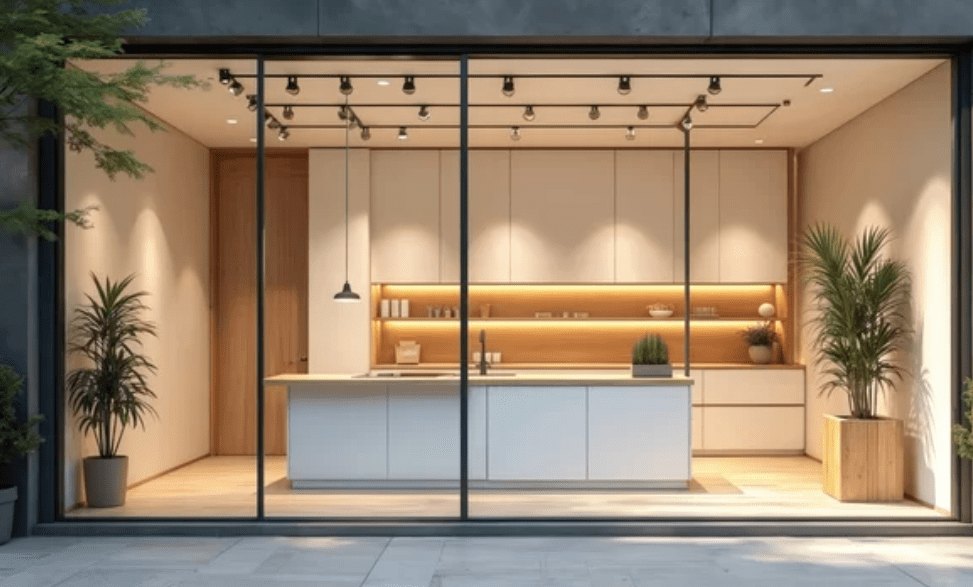
Modern German kitchens have long been associated with precision engineering, clean aesthetics, and a focus on functionality. Rather than focusing purely on appearance, modern German kitchens are designed to support how people actually live—whether that’s cooking daily meals, entertaining guests, or creating a calm, organised environment within an open-plan home.
Across the Kitchen Experts network, there is a shift toward kitchens that balance minimalism with warmth, and technology with practicality. Materials are becoming more tactile, layouts more personalised, and storage more intelligent. At the same time, the core principles—efficiency, durability, and precision—remain unchanged.
This guide breaks down ten current trends in a practical way, helping you identify what might work in your own space. Whether you’re planning a full redesign or simply gathering ideas, the aim is to give you a clearer understanding of what defines modern German kitchens today—and how those features translate into real-world use.
What Are Modern German Kitchens?
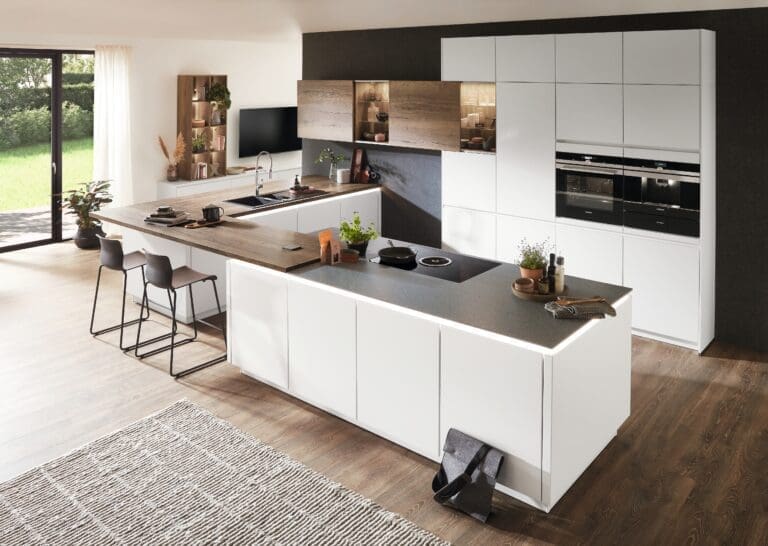
Modern German kitchens are contemporary kitchen designs rooted in German engineering principles. They typically feature clean lines, handleless cabinetry, precision manufacturing, and a strong emphasis on functionality, durability, and efficient use of space. These kitchens often incorporate integrated appliances, advanced storage systems, and high-quality materials designed for long-term performance.
1. Sleek Handleless Cabinets
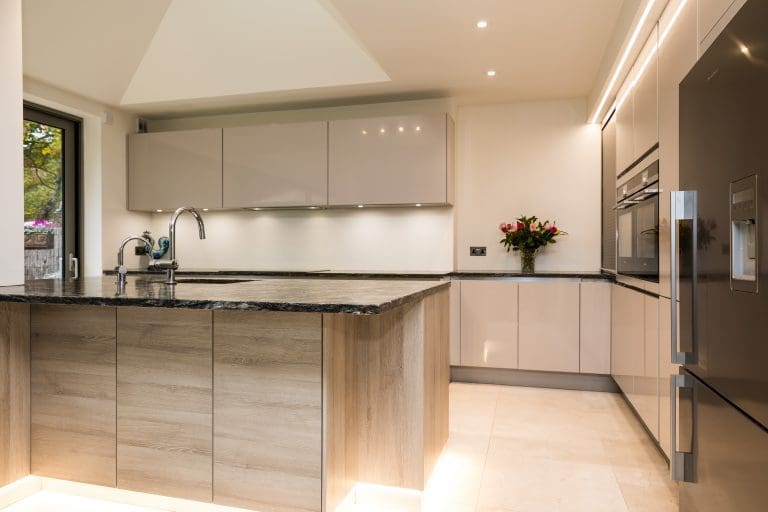
Handleless design remains central to modern German kitchens, but in 2026 it feels more refined than ever. Rather than just removing handles for aesthetics, these systems are engineered to feel seamless in everyday use.
Benefits include:
- Visually stretches the space, making kitchens feel larger
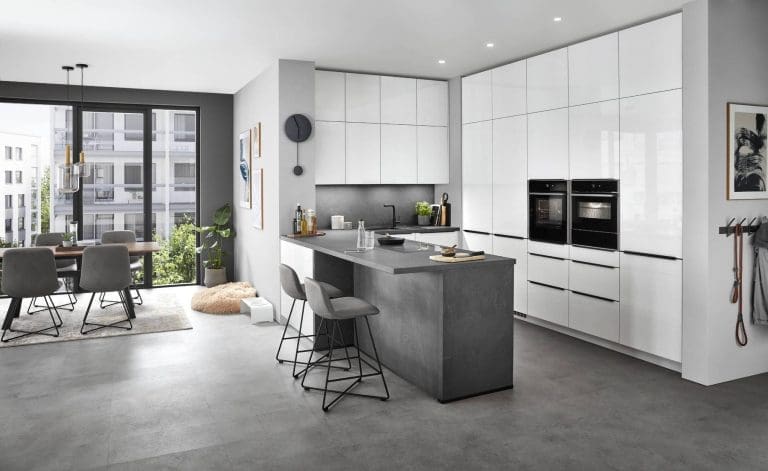
- Creates a clean, architectural look that works particularly well in open-plan layouts
- Helps reduce visual clutter, especially in smaller kitchens
- Often paired with integrated grip rails or push-to-open systems for ease of use
In practice:
If you prefer a calm, streamlined environment, this approach works well. However, it’s worth testing different opening mechanisms in a showroom to see what feels most natural for daily use.

2. Integrated and Hidden Appliances
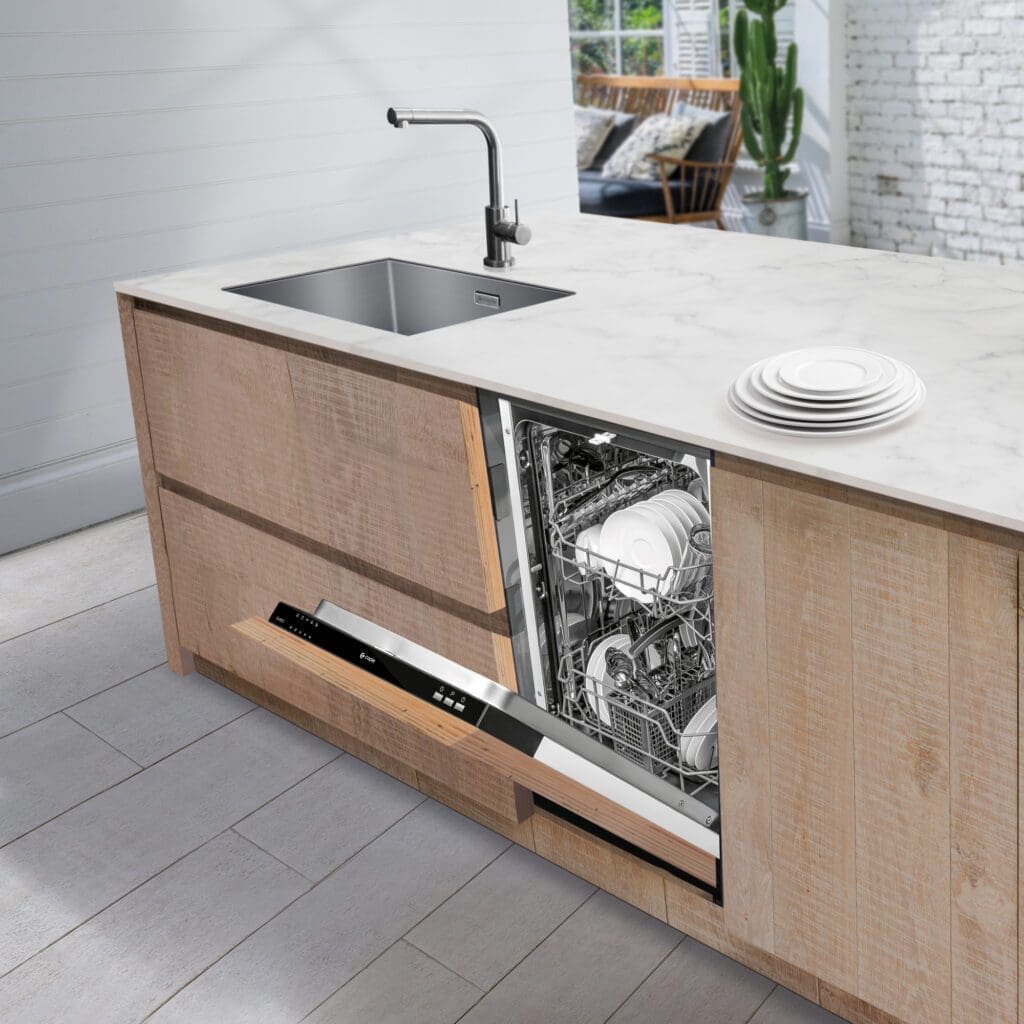
A defining feature of modern German kitchen trends is how appliances are concealed. Instead of standing out, they blend into the overall design, creating a more unified space.
Typical examples include:
- Fridge-freezers and dishwashers are often hidden behind matching cabinet fronts
- Smaller appliances like coffee machines are built into tall units
- Extraction systems are increasingly integrated into hobs or hidden within cabinetry
In practice:
This trend works well if you want your kitchen to feel more like part of your living space rather than a separate working area. If accessibility is key, you might choose to keep certain appliances more visible.
3. Ultra-Matt and Anti-Fingerprint Finishes
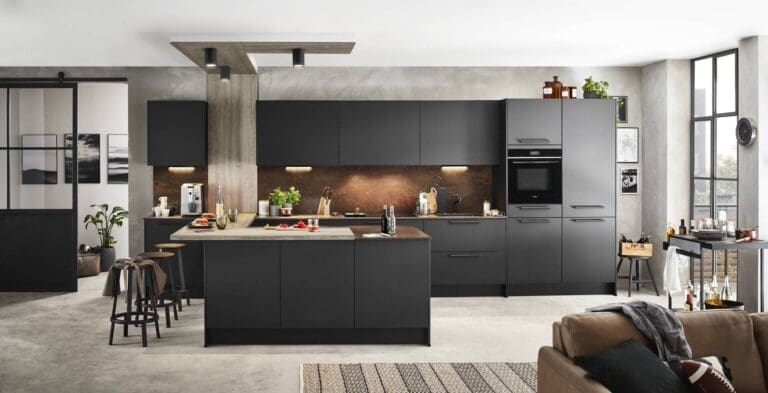
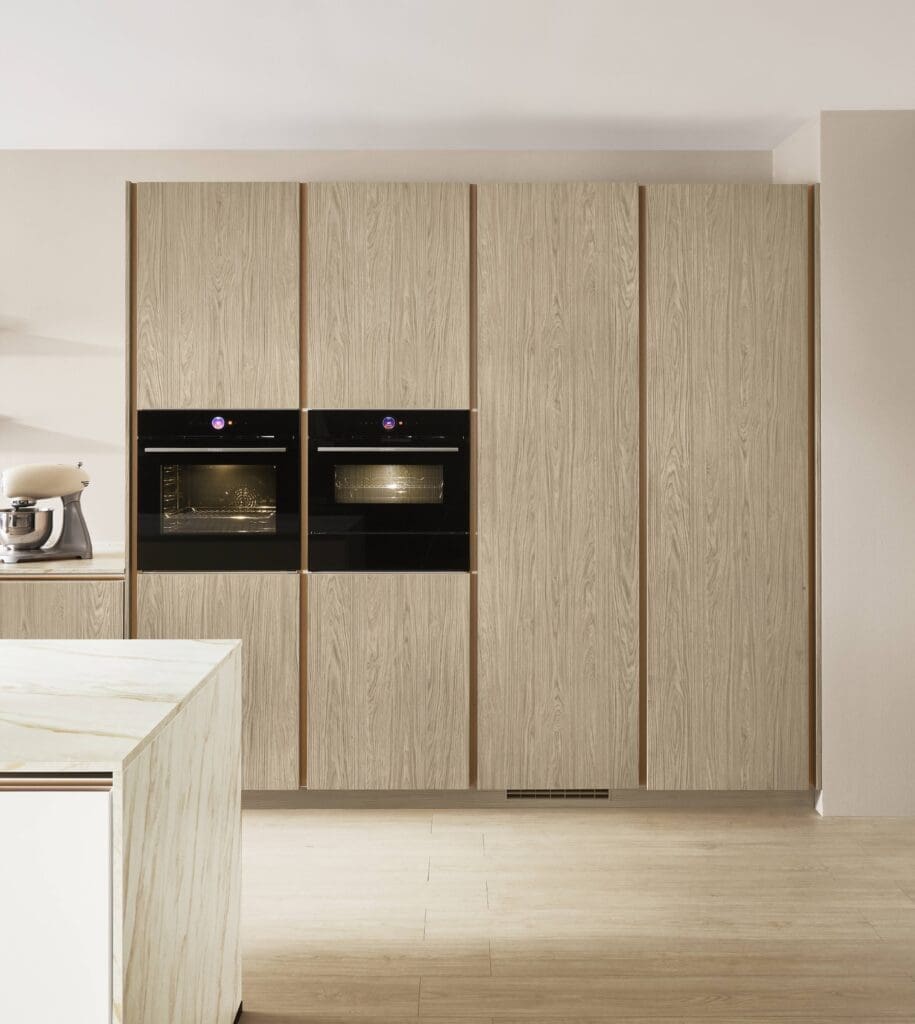
Finishes have become more advanced, especially in high-use kitchens. Ultra-matt surfaces are now designed to resist fingerprints, making them more practical for everyday life. They can also contribute to a softer, more understated look compared to high-gloss alternatives.
Advantages of matt kitchen finishes:
- Reduces visible marks
- Creates a muted, contemporary aesthetic with less reflection
- Widely available in deeper tones like graphite, black, and earthy greens
In practice:
If you want a low-maintenance kitchen that still feels modern, this is a strong option. It’s worth checking cleaning recommendations, as some finishes perform best with specific products.

4. Sustainable Materials and Low-Impact Manufacturing
Sustainability is becoming a standard consideration rather than an optional extra. Many German kitchen manufacturers are now focusing on materials and processes that reduce environmental impact.
Core features of German sustainability:
- Use of responsibly sourced wood and recycled components
- Water-based finishes and lower-emission manufacturing processes
- Designs built for longevity, reducing the need for frequent replacement
In practice:
If you’re planning a kitchen for long-term use, choosing durable and responsibly produced materials can offer both environmental and practical benefits over time.
5. Zoned Storage and Organisation Systems
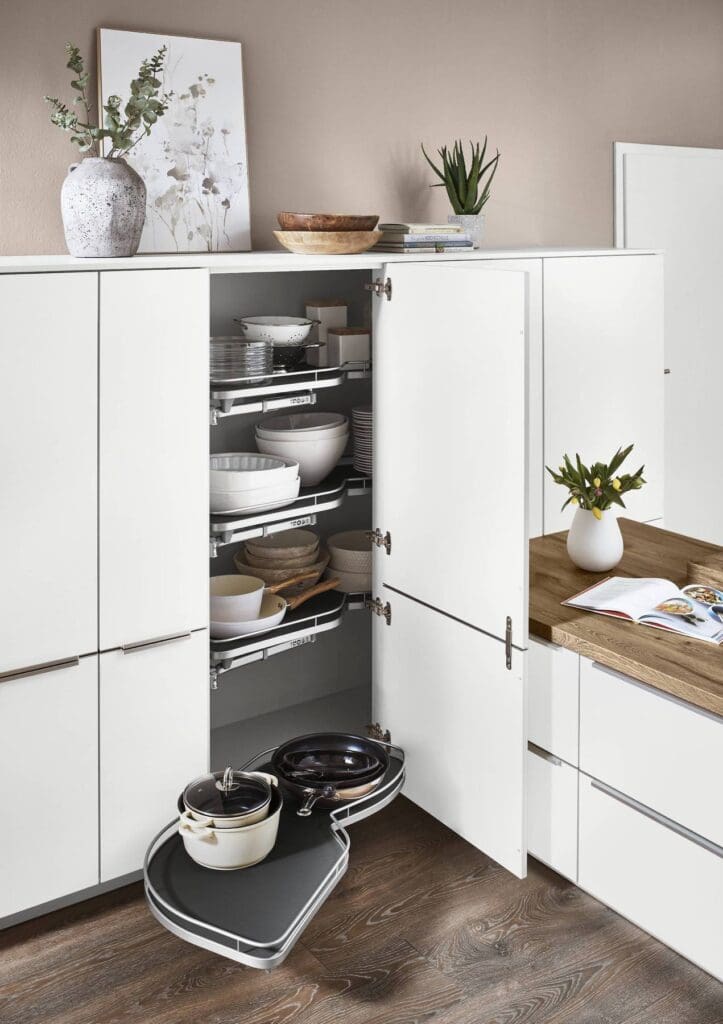
Storage is no longer just about capacity—it’s about organisation. Modern German kitchens place a strong emphasis on structured storage that supports how you use the space. Everything has a place, and this keeps surfaces clear and the kitchen easier to navigate.
German storage solutions to consider:
- Drawer inserts designed for utensils, spices, and cookware
- Pull-out larders and corner systems that maximise hard-to-reach areas
- Internal lighting that improves visibility inside cabinets
In practice:
If you cook regularly, well-planned storage can make a noticeable difference. Think about your daily routines and prioritise storage that supports those habits.
6. Mixed Material Palettes
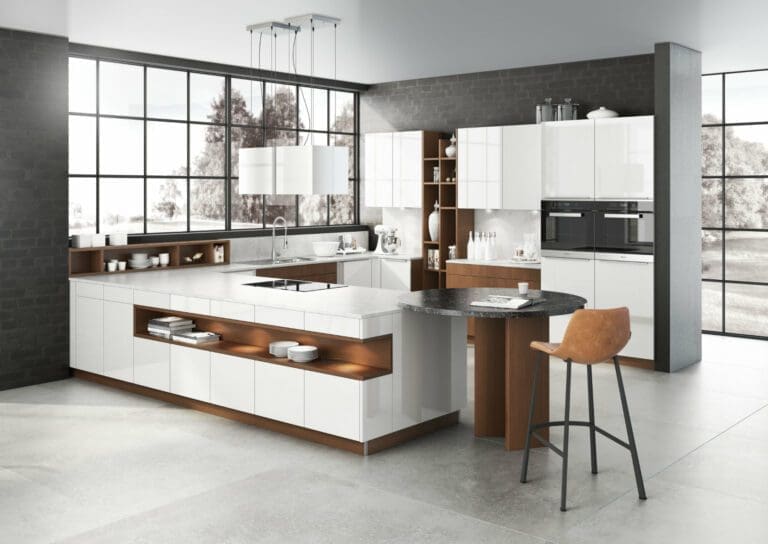
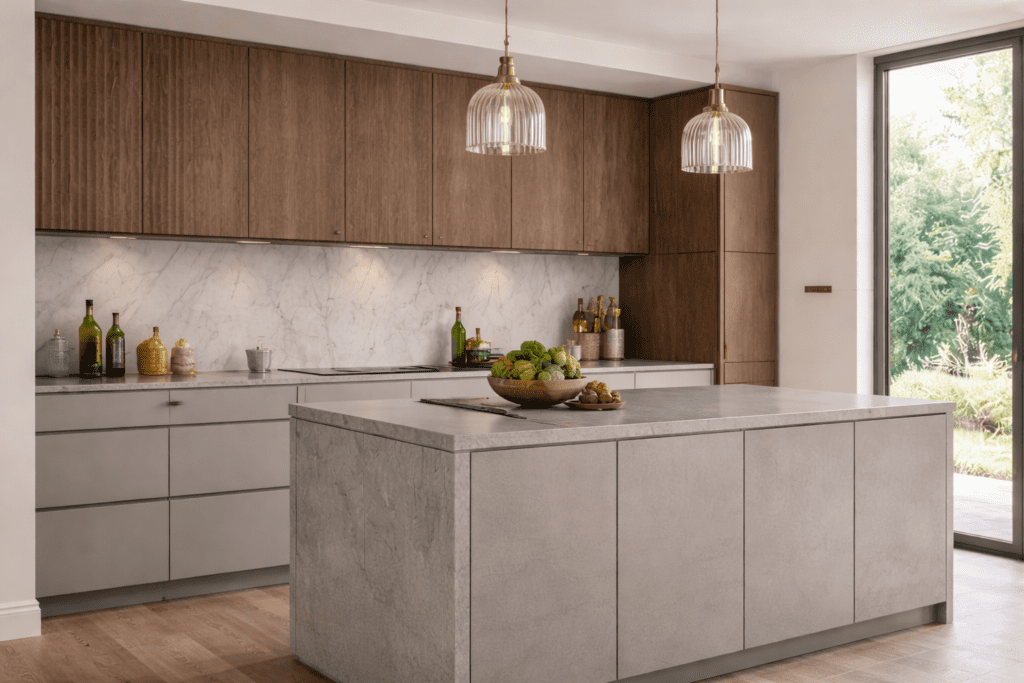
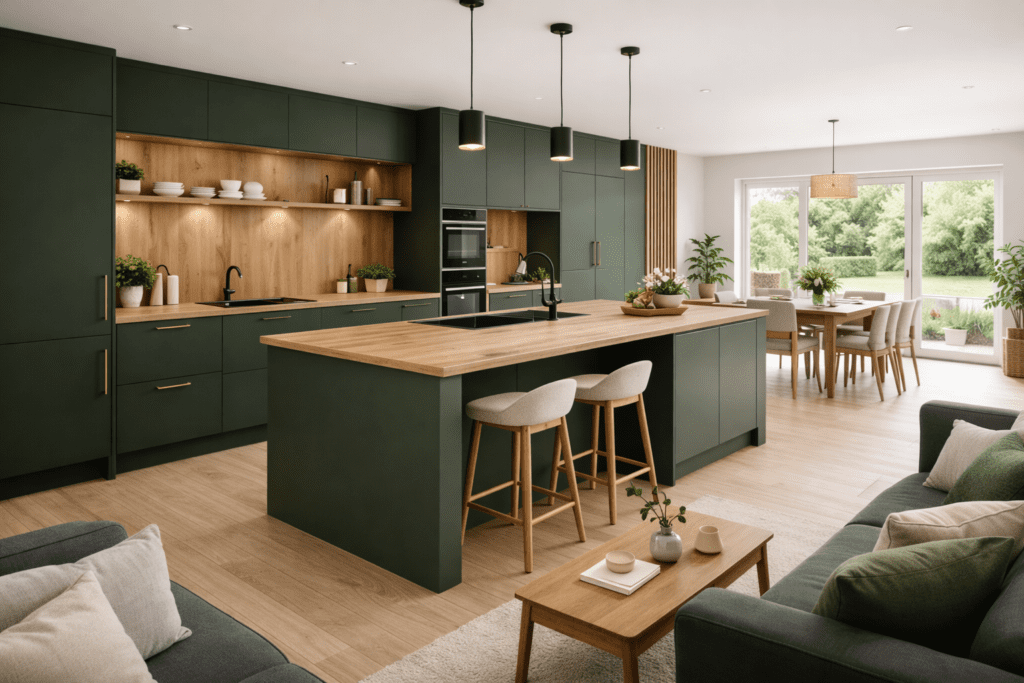
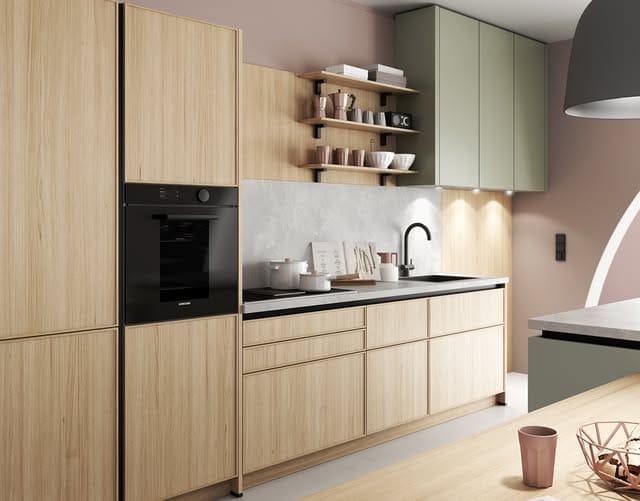
While minimalism remains important, modern German kitchens are becoming more expressive through materials. Instead of a single finish, designers are combining textures to add depth and a more welcoming environment without losing the clean aesthetic.
Options to look at include:
- Wood veneers introduce warmth alongside matte cabinetry
- Stone or ceramic worktops add durability and visual contrast
- Subtle metal accents can highlight key areas without overwhelming the design
In practice:
Mixing materials works best when there’s a clear balance. A popular approach is pairing a neutral base with one or two contrasting elements.
7. Multi-Functional Statement Islands
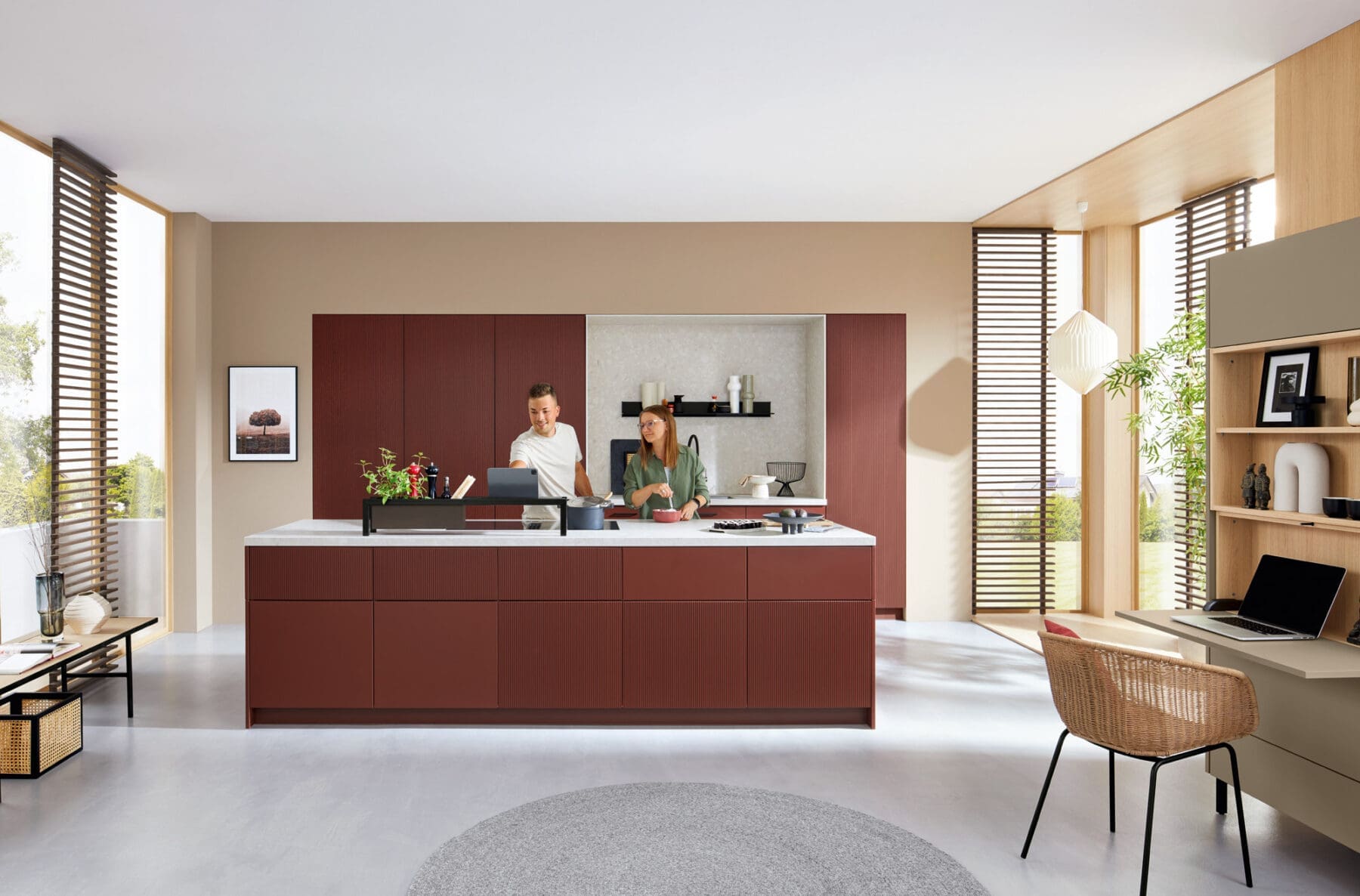
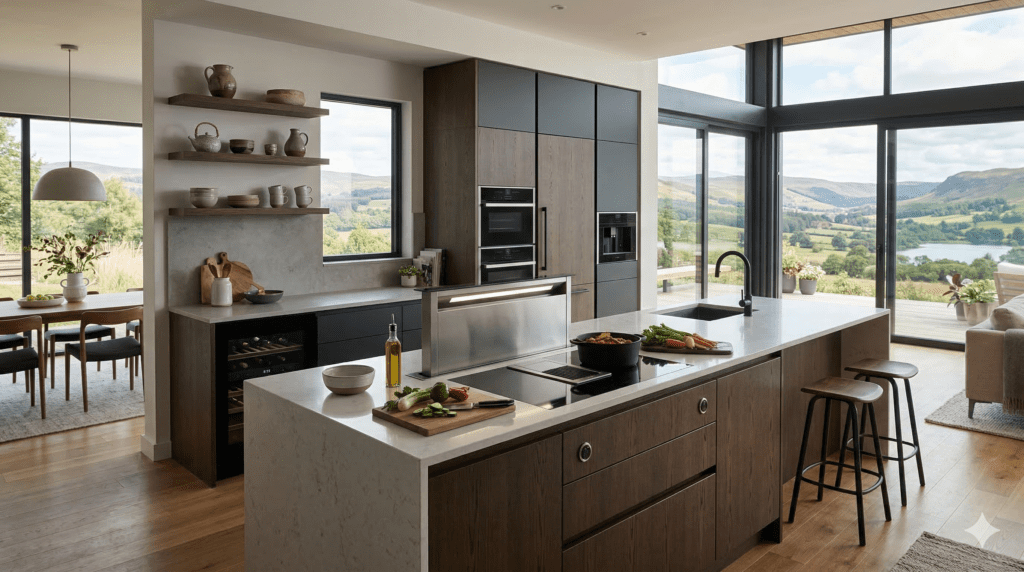
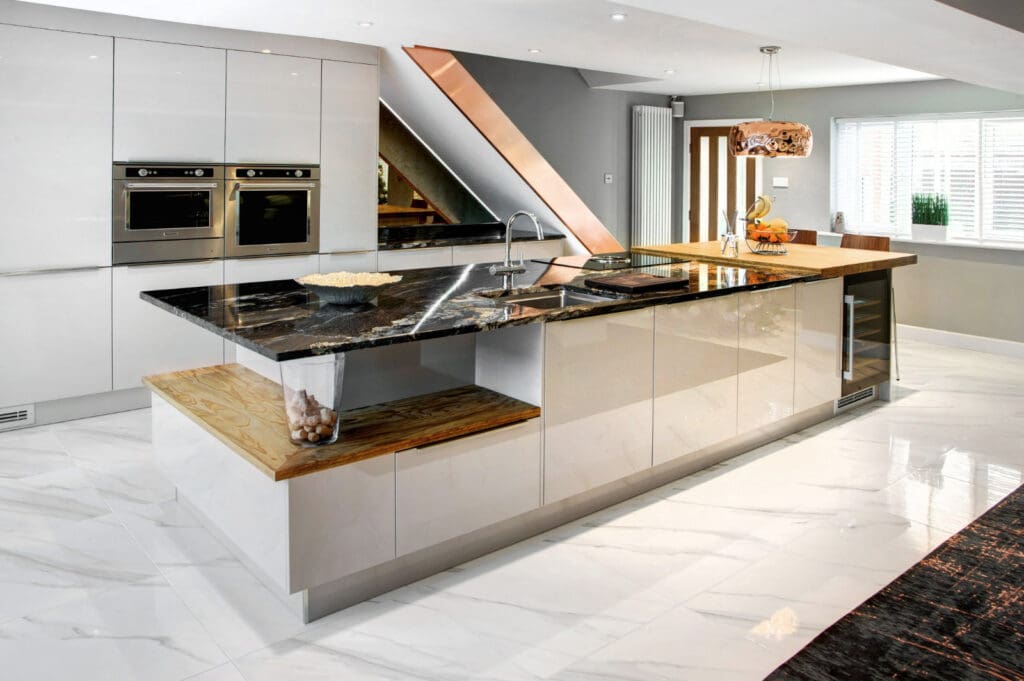
Kitchen islands continue to evolve into multifunctional spaces that support both cooking and social interaction. In modern German kitchens, the focus is on making islands practical as well as visually impactful.
Characteristics of fully functional islands:
- Combine preparation space, storage, and seating
- Can include integrated appliances such as hobs or sinks
- Help define zones within open-plan layouts
In practice:
Before including an island, consider how you’ll use it day-to-day. The design should reflect whether it’s primarily for cooking, dining, or a mix of both.
8. Smart Kitchen Technology Integration
Technology is becoming more seamlessly integrated into kitchen design. Rather than feeling like an add-on, it’s built into the overall functionality of the space. The focus is on convenience, efficiency, and energy awareness.
Examples of smart kitchen technology:
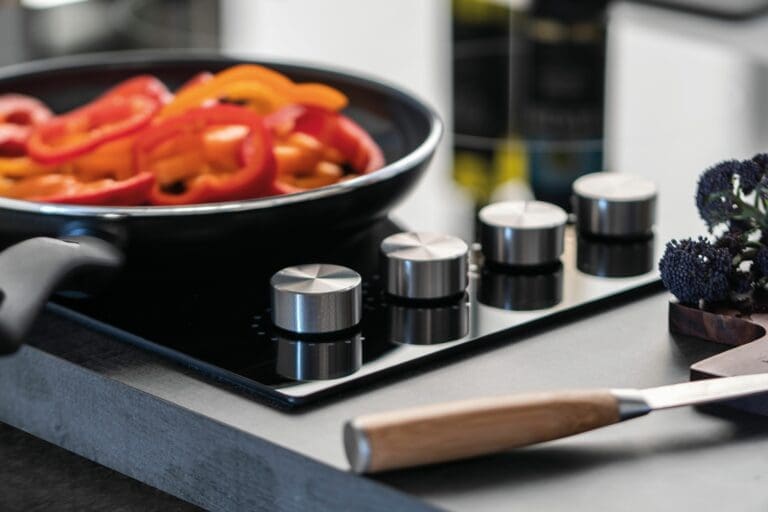
- Smart ovens and hobs with app connectivity
- Sensor-activated lighting and automated extraction systems
- Energy monitoring features that support more efficient usage
In practice:
It’s worth prioritising technology that genuinely improves your routine. Not every feature is essential, so focus on what you’ll use regularly.
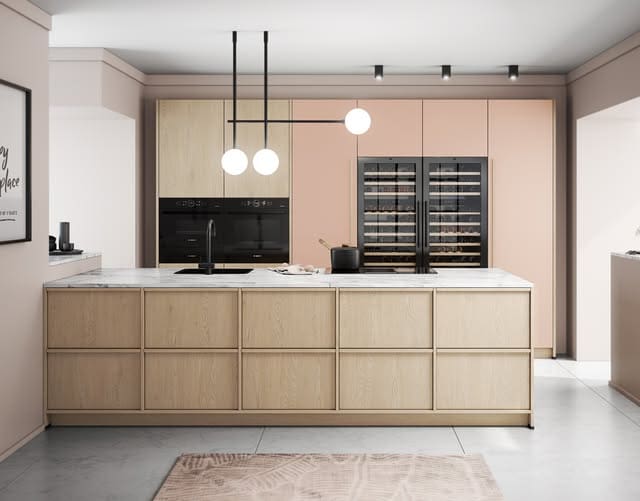
9. Neutral Base Palettes with Subtle Colour Accents
Neutral kitchens remain popular, but there’s a shift toward adding subtle colour to create more character. Instead of bold statements, the approach is more restrained and layered. This allows for personalisation while keeping the overall design timeless.
Options for layering colours:
- Base colours such as white, grey, and beige provide flexibility
- Accent tones like olive, clay, or navy add warmth and depth
- Colour is often introduced through cabinetry, splashbacks, or accessories
In practice:
If you want a kitchen that feels current but not trend-driven, this approach offers a good balance. You can update accents over time without changing the entire design.
10. Ergonomic Design and User-Friendly Layouts
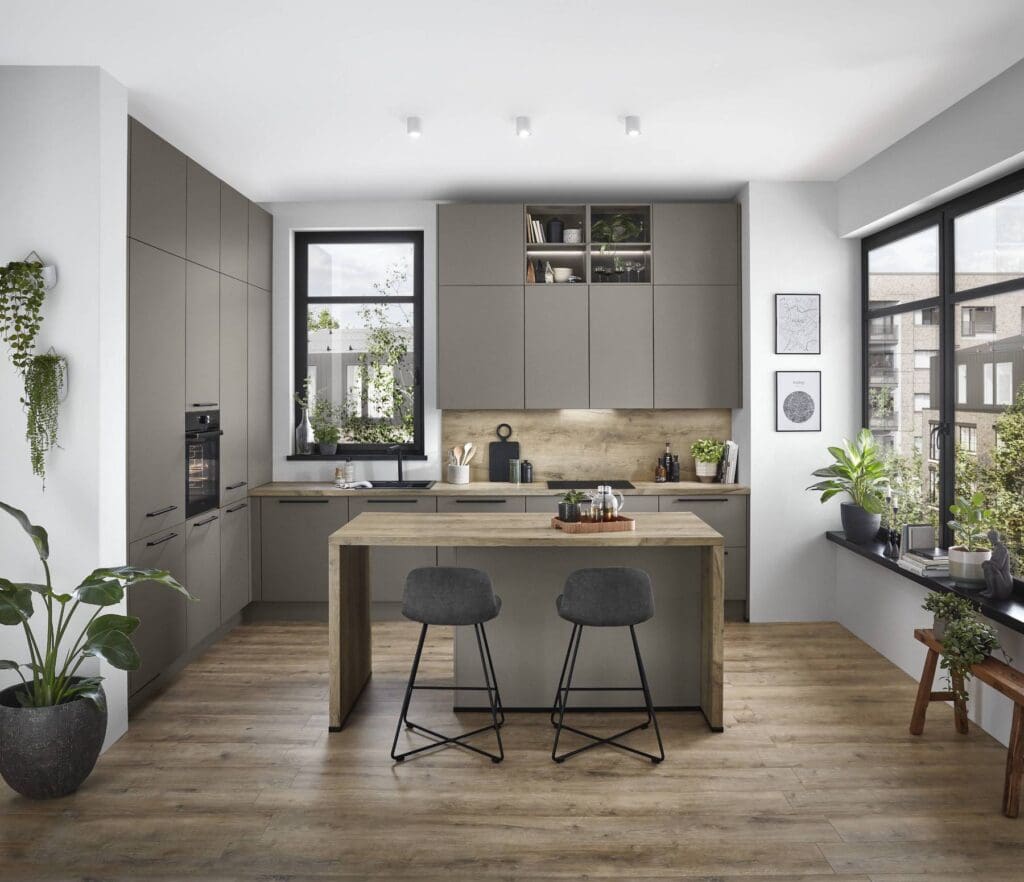
Ergonomics has always been important in German kitchen design, but there is now a stronger focus on tailoring layouts to individual needs. This makes kitchens more comfortable and efficient to use over time.
Implement this with:
- Adjustable worktop heights to suit different users
- Layouts designed around natural movement between zones
- Thoughtful placement of appliances to reduce bending and reaching
In practice:
If multiple people use the kitchen regularly, considering ergonomics early in the planning process can improve long-term usability.
Final Thoughts
Modern German kitchens continue to evolve in ways that reflect both technological progress and changing lifestyles. While the overall aesthetic remains clean and minimal, the underlying design approach is increasingly focused on comfort, flexibility, and everyday practicality.
When exploring modern kitchen trends, it can be helpful to think beyond appearance and consider how each feature will function over time. The most effective kitchens are those that balance design with usability—supporting how you cook, move, and live within the space.
By understanding these trends, you can approach your planning process with greater clarity, whether you’re comparing options across retailers or refining your own ideas.
Author’s Note
This guide is based on expertise from a range of Kitchen Experts retailers. It is intended to help homeowners understand modern German kitchen trends, and offer both inspiration and practical considerations for them.
FAQs
1. What makes modern German kitchens different from other kitchen styles?
Modern German kitchens focus on precision, efficiency, and minimal design. They often feature handleless cabinetry, integrated appliances, and high-quality materials designed for long-term use.
2. Are modern German kitchens suitable for open-plan living?
Yes, they are particularly well suited to open-plan spaces due to their clean lines and ability to integrate seamlessly with living and dining areas.
3. What are the most popular modern German kitchen trends today?
Current trends include concealed appliances, ultra-matte finishes, smart technology, improved storage systems, and mixed material palettes.
4. Are modern German kitchens easy to maintain?
Many features, such as anti-fingerprint finishes and organised storage systems, are designed to make maintenance easier, although care requirements can vary by material.
5. Is smart technology essential in modern German kitchens?
It is optional. While it can enhance convenience, it is not essential for achieving a modern design.
6. How long do modern German kitchens typically last?
With proper care, they are designed to last for many years due to their durable construction and materials.
7. Can modern German kitchens include warmer or more traditional elements?
Yes, features such as wood finishes or softer colour palettes can be incorporated to create a more balanced and personalised design.