Modern Kitchen Trends to Avoid: Practical Guidance for Long-Term Kitchen Design Decisions
Kitchen trends can offer inspiration, but not all of them translate well into everyday use. Some design choices that look effective in showrooms or online images can become impractical, difficult to maintain, or visually dated within a relatively short period. This guide focuses on kitchen trends to avoid in 2026, helping you assess which popular styles may not deliver long-term value in real homes.
The aim here is not to dismiss design trends entirely, but to provide a practical framework for evaluating them. By understanding where certain kitchen trends fall short — whether in durability, usability, or adaptability — you can make more informed decisions when comparing different options for your home.
This Kitchen Experts article explores how specific modern kitchen trends perform over time, how they interact with different layouts, and what alternatives may offer more longevity. Whether you are planning a full kitchen renovation or reviewing design options, the goal is to help you prioritise choices that remain functional and relevant well beyond installation.
What Are Modern Kitchen Trends to Avoid?
Modern kitchen trends to avoid are contemporary design choices that may look appealing initially but can present practical challenges over time, such as high maintenance requirements, limited flexibility, or a tendency to date quickly. Identifying these trends helps homeowners prioritise more durable, adaptable, and functional kitchen solutions.
1. All White Kitchens
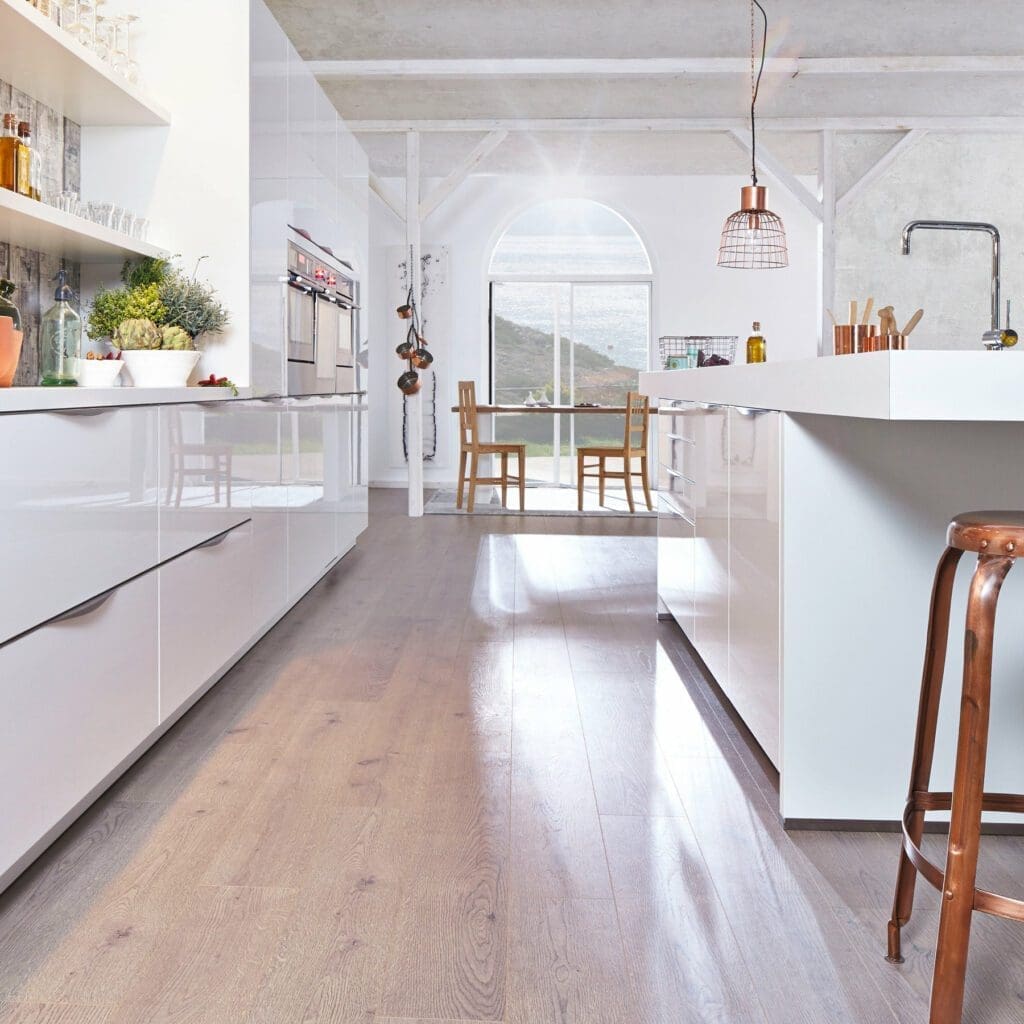
All-white kitchens have long been associated with clean, minimalist design. However, in practice, they can present several challenges.
Common limitations:
- Surfaces show marks, stains, and wear quickly
- Can feel clinical or lacking in warmth
- Require consistent upkeep to maintain appearance
Where issues typically arise:
- Busy family kitchens
- Homes with limited natural light, where white can appear flat rather than bright
For a more balanced approach, introduce contrast through worktops, flooring, or handles. Another option is to combine white with softer tones such as light grey or natural wood.
2. Patterned Kitchen Splashbacks
Patterned splashbacks can create a strong visual focal point, but they often limit flexibility over time.
Potential drawbacks:
- Designs can date quickly as kitchen trends change
- Difficult to coordinate with cabinetry and accessories
- Can dominate smaller spaces
Once installed, splashbacks are not easily changed compared to other elements. Worried about outdated kitchen trends in your new space? Instead, use subtle textures or neutral tones that allow for easier updates.

3. High Gloss Kitchen Cabinetry
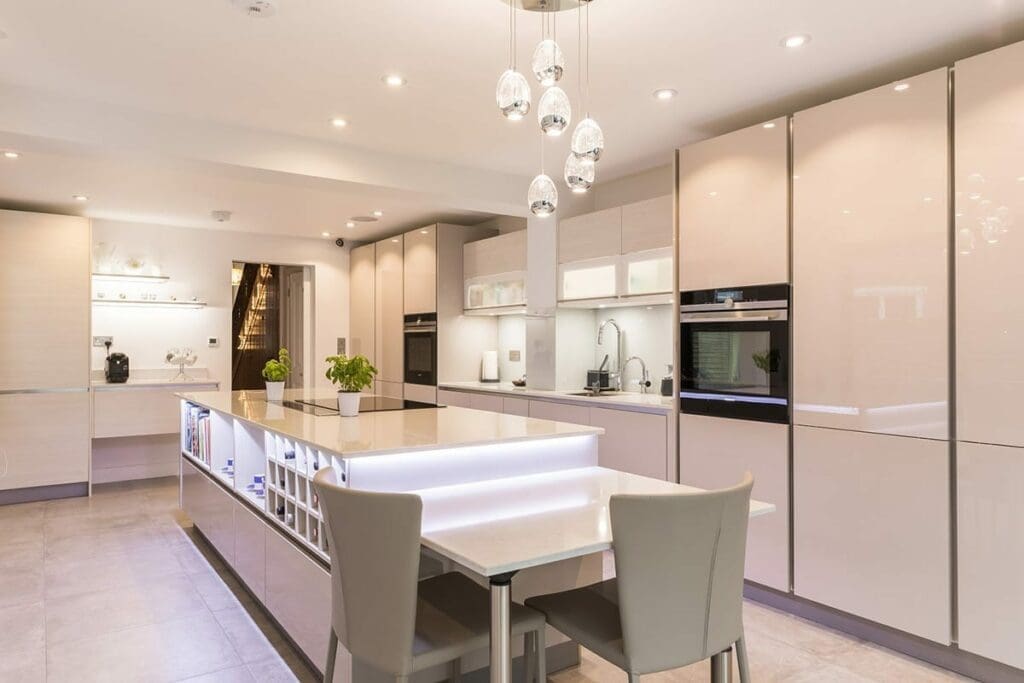
High gloss finishes are often used to reflect light and create a sleek appearance, particularly in modern grey kitchens and contemporary layouts.
Challenges in everyday use:
- Fingerprints and smudges are highly visible
- Scratches and wear can become noticeable over time
- Can feel overly reflective in spaces with strong lighting
Gloss cabinets are best suited for lower-traffic kitchens and homes where maintenance is less of a concern.
Looking for an alternative that still feels luxurious? Matt kitchen finishes provide a softer surface that is much easier to maintain.
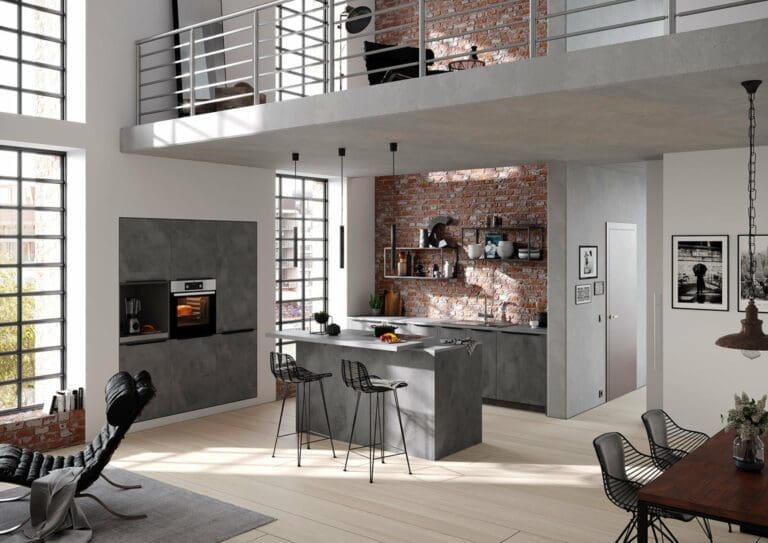
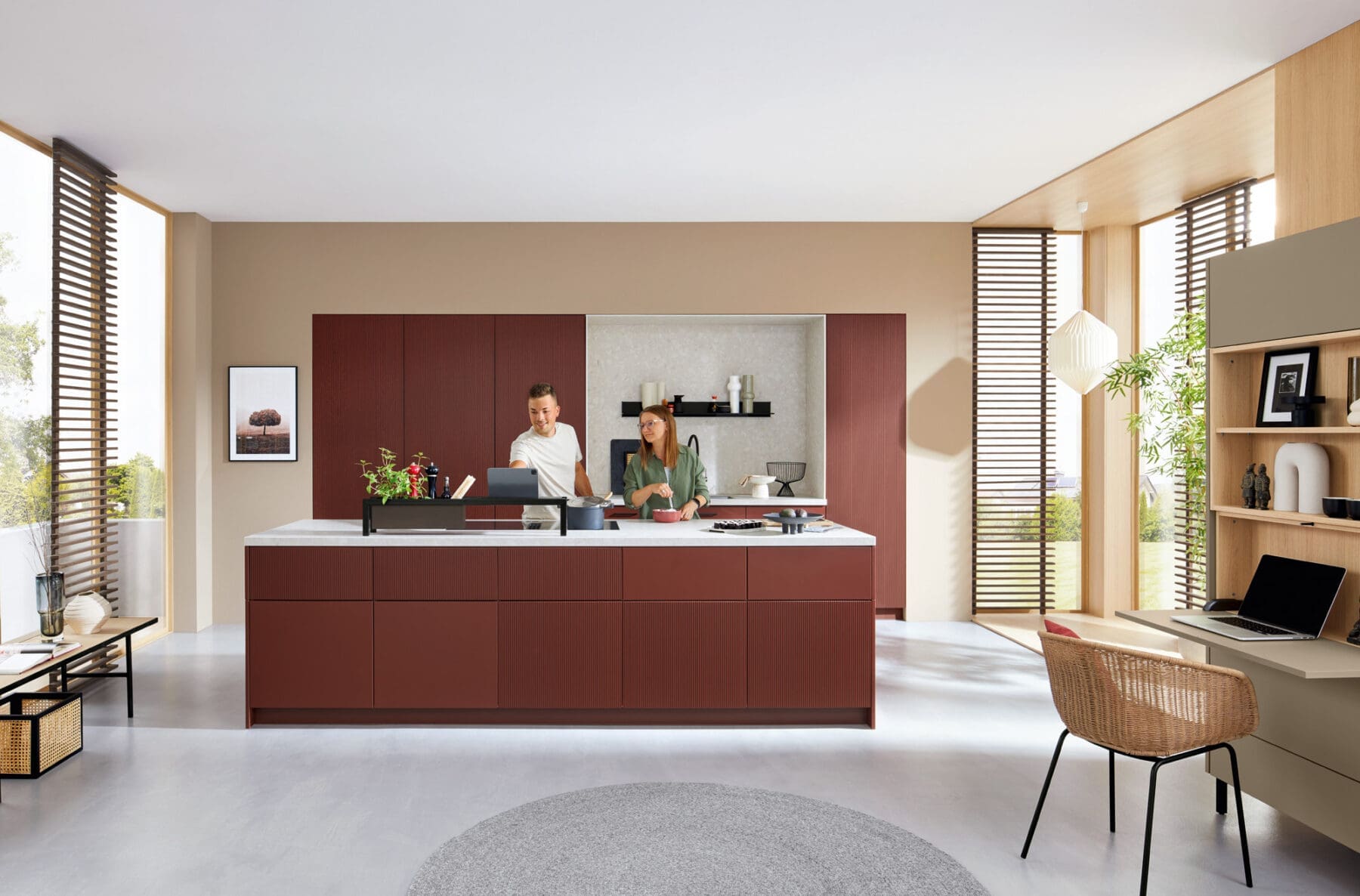
4. Fully Open-Plan Kitchens
Open-plan kitchens remain popular, but fully open layouts without thoughtful zoning can introduce some practical issues.
Common concerns:
- Noise from appliances carries into living areas
- Cooking smells spread more easily
- Lack of visual separation between areas
If a calm atmosphere is important in your home, consider partial separation through islands, partitions, or zoning.
However, if you frequently entertain, an open plan setting may work well but will still benefit from defined zones.
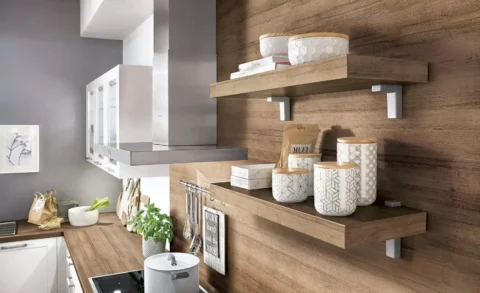
5. Open Shelving
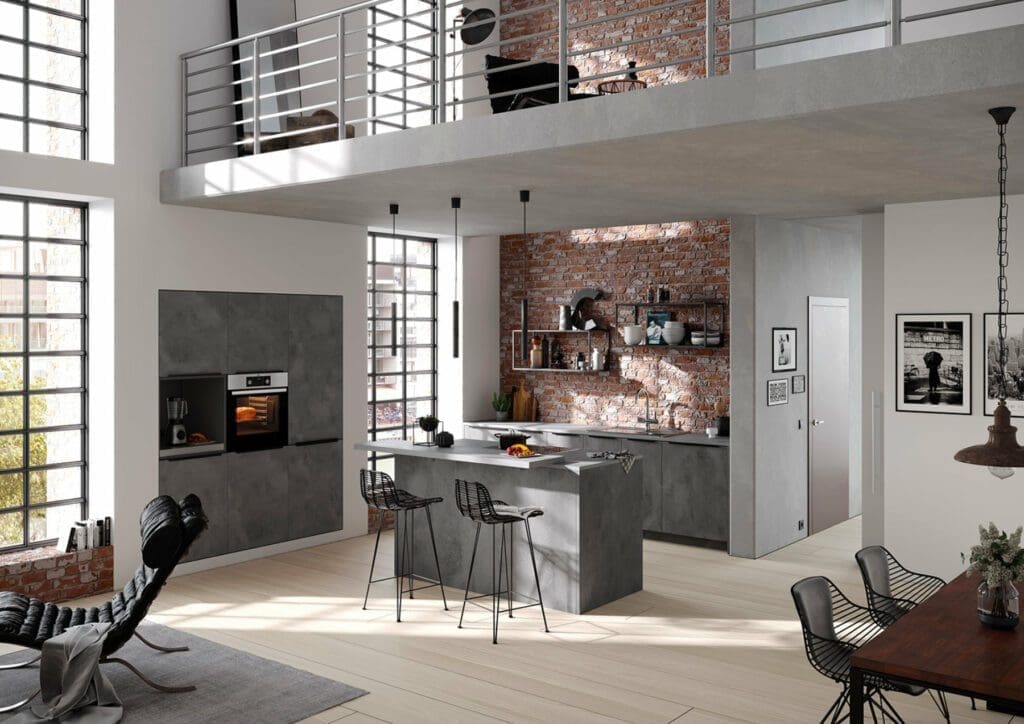
Open shelving is a good solution for making your kitchen essentials accessible and displaying decorative elements. However, there are some disadvantages to the style.
Practical limitations:
- Requires consistent organisation to avoid clutter
- Items are exposed to dust and grease
- Not suitable for all storage needs
It works best as a feature element rather than a full replacement for cabinets. Instead, combine open shelving with closed storage to maintain practicality and visual balance.
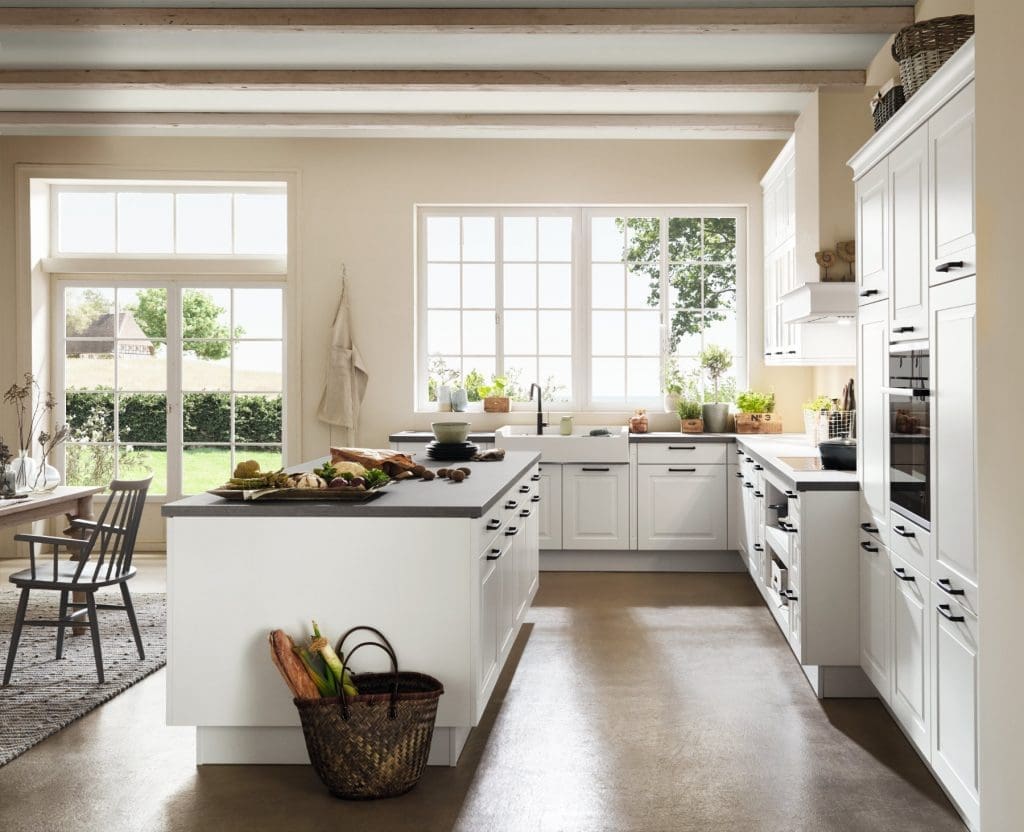
6. Farmhouse Style Kitchens
Farmhouse-style kitchens have a strong visual identity, often featuring traditional cabinetry, rustic materials, and decorative detailing. Although iconic, it’s worth looking at the following:
Considerations:
- This style can feel specific and less adaptable over time
- May not suit modern or smaller homes
- Heavier visual elements can dominate the space
Farmhouse style may work well if:
- You prefer a traditional aesthetic
- You live in a period home and the property supports the look
If you want more flexibility to update your space over time, consider a more transitional style as an alternative.
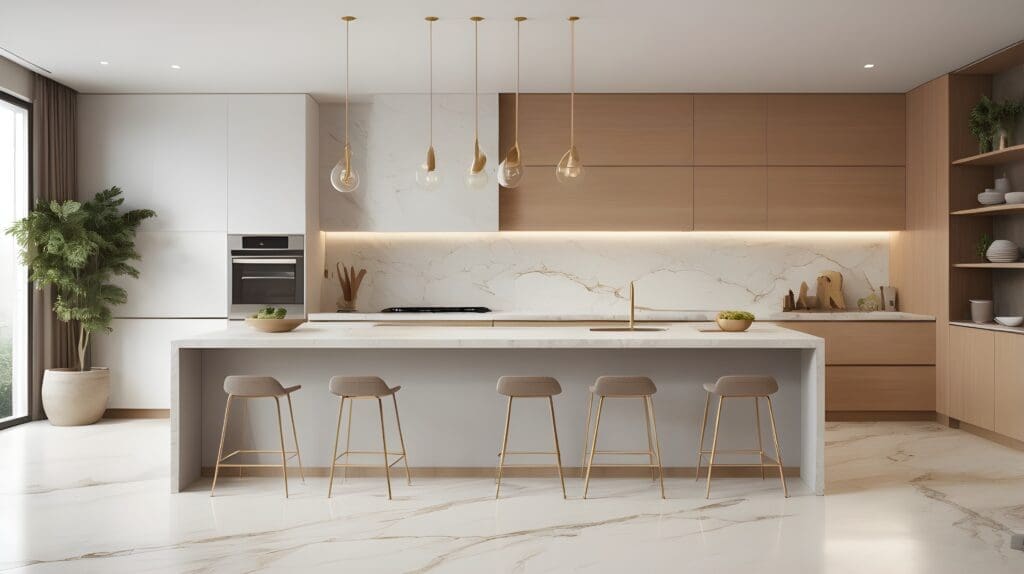
7. Overly Minimalist Kitchens
Minimalist kitchens focus on simplicity, often removing visible handles, clutter, and decorative elements. But when it comes to modern kitchen trends to avoid, be aware of the following:
Challenges:
- Can feel impractical for everyday use
- Limited storage visibility may reduce accessibility
- Risk of appearing stark or unfinished
Where problems occur:
- Family kitchens with varied storage needs
- Spaces lacking natural warmth or texture
You can avoid this by introducing subtle detailing or material variation in cabinetry, worksurfaces, lighting and even flooring for added visual interest.
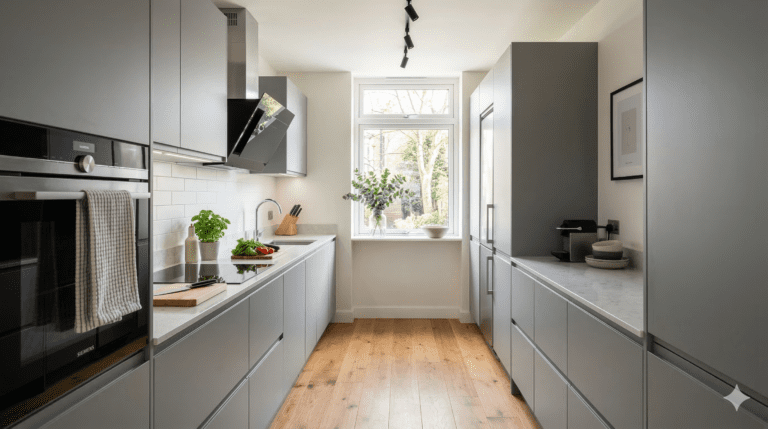
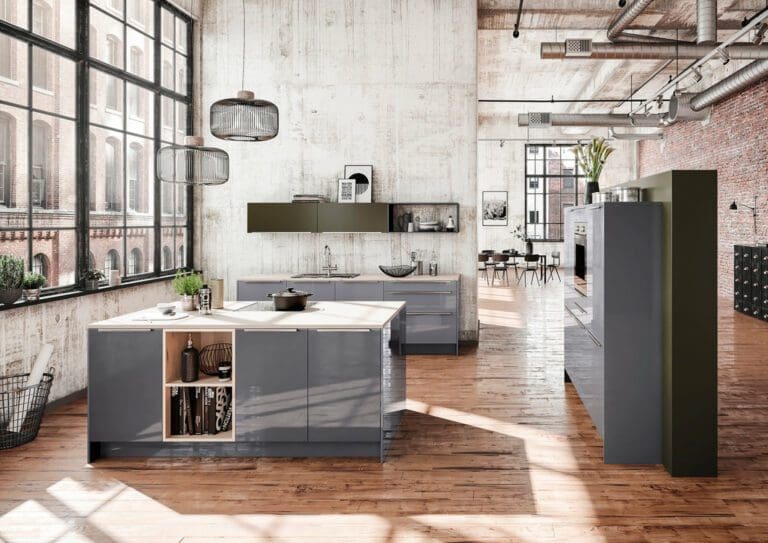
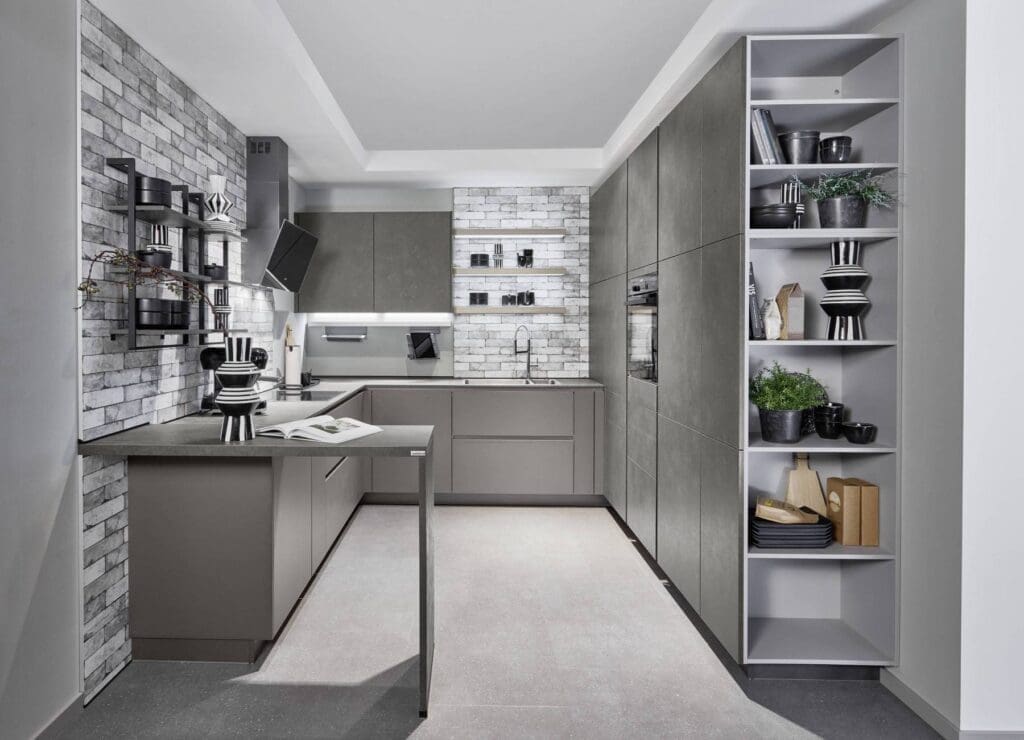
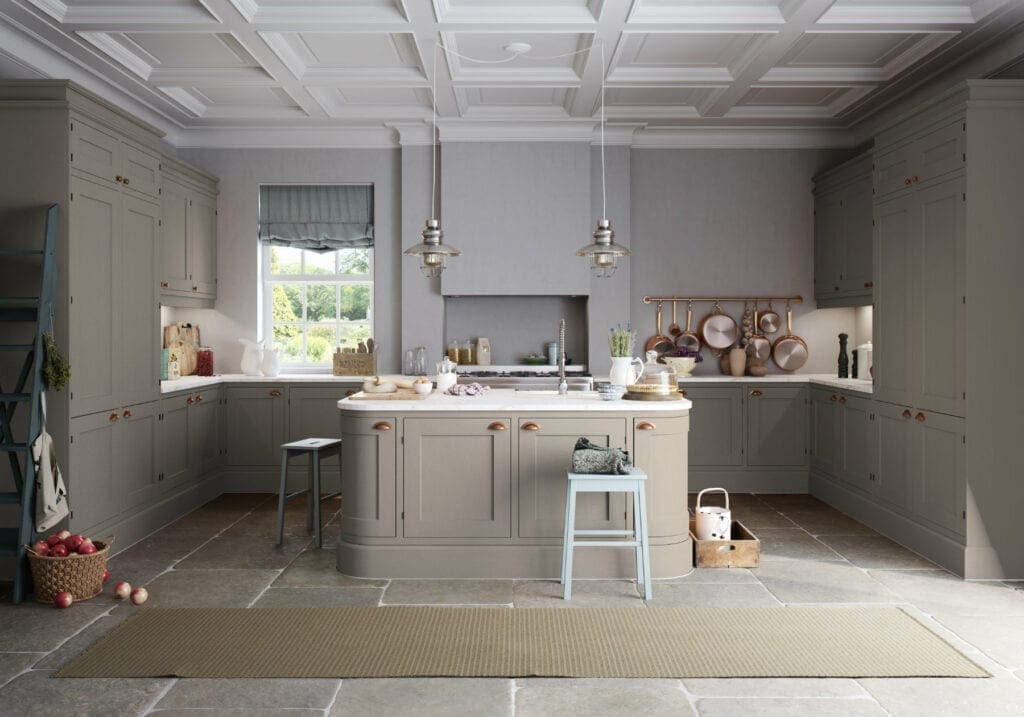
8. All Grey Kitchens
While grey kitchens are a popular choice, they need approached with care as an entirely grey scheme can come with some downsides.
Common issues:
- Flat or monotone appearance
- Limited depth without design variation
- Depending on lighting, they can come across as cold
Tips for a more effective approach:
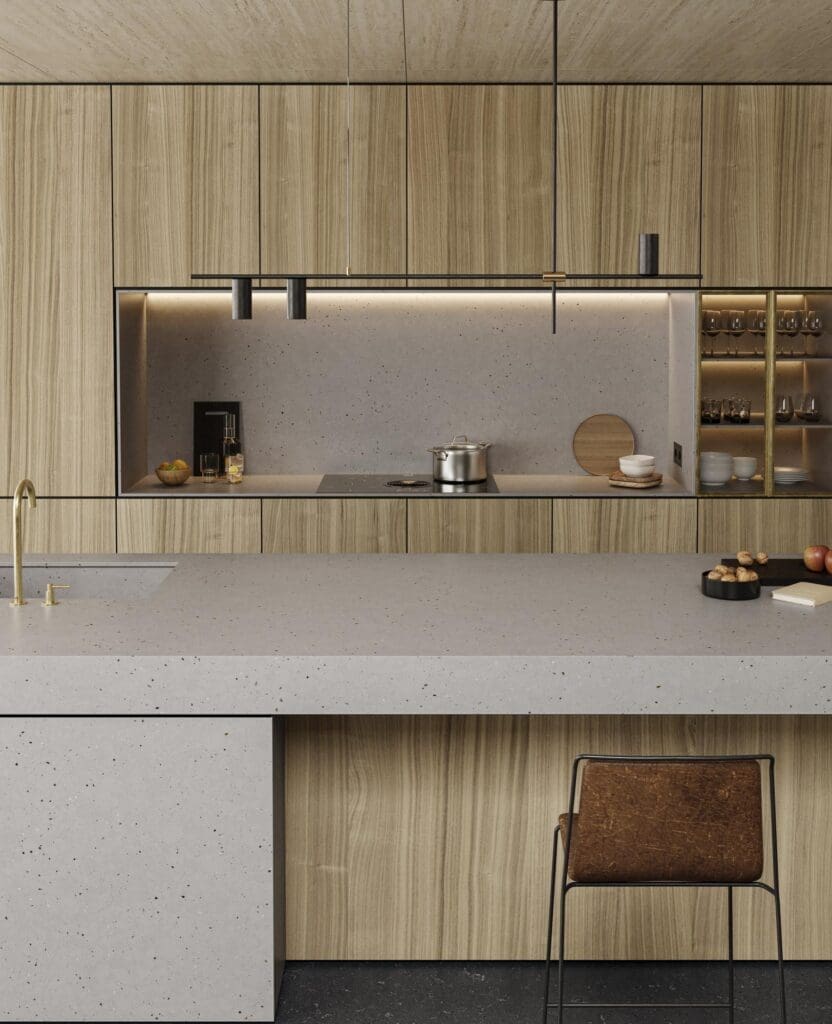
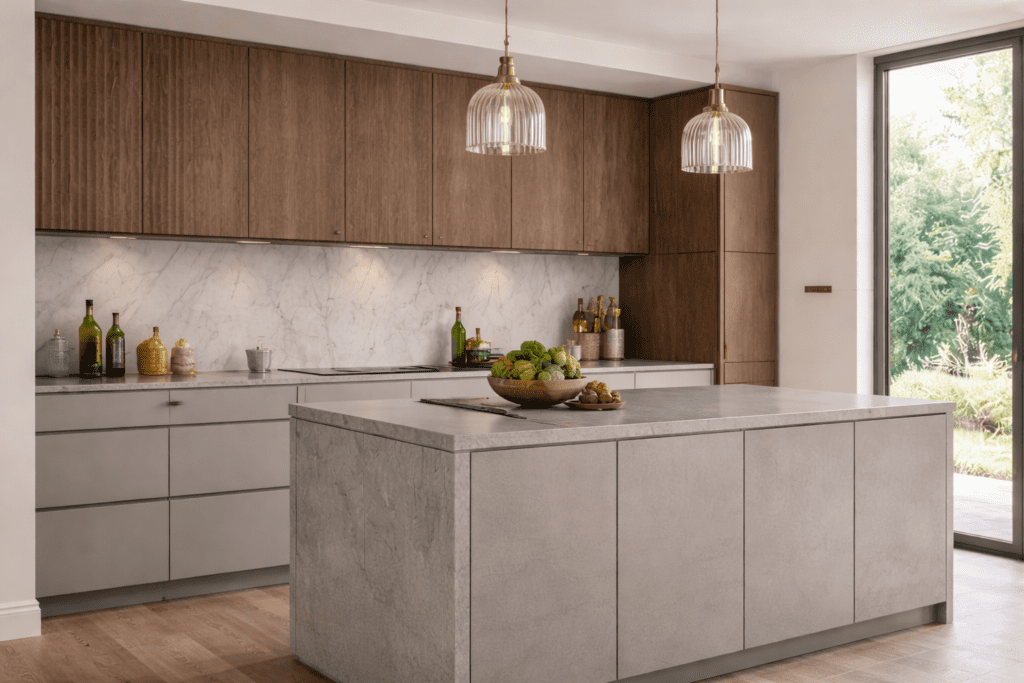
- Combine grey with other materials such as wood or stone for added interest
- Introduce contrast through surfaces or fixtures, allowing the space to feel more bespoke
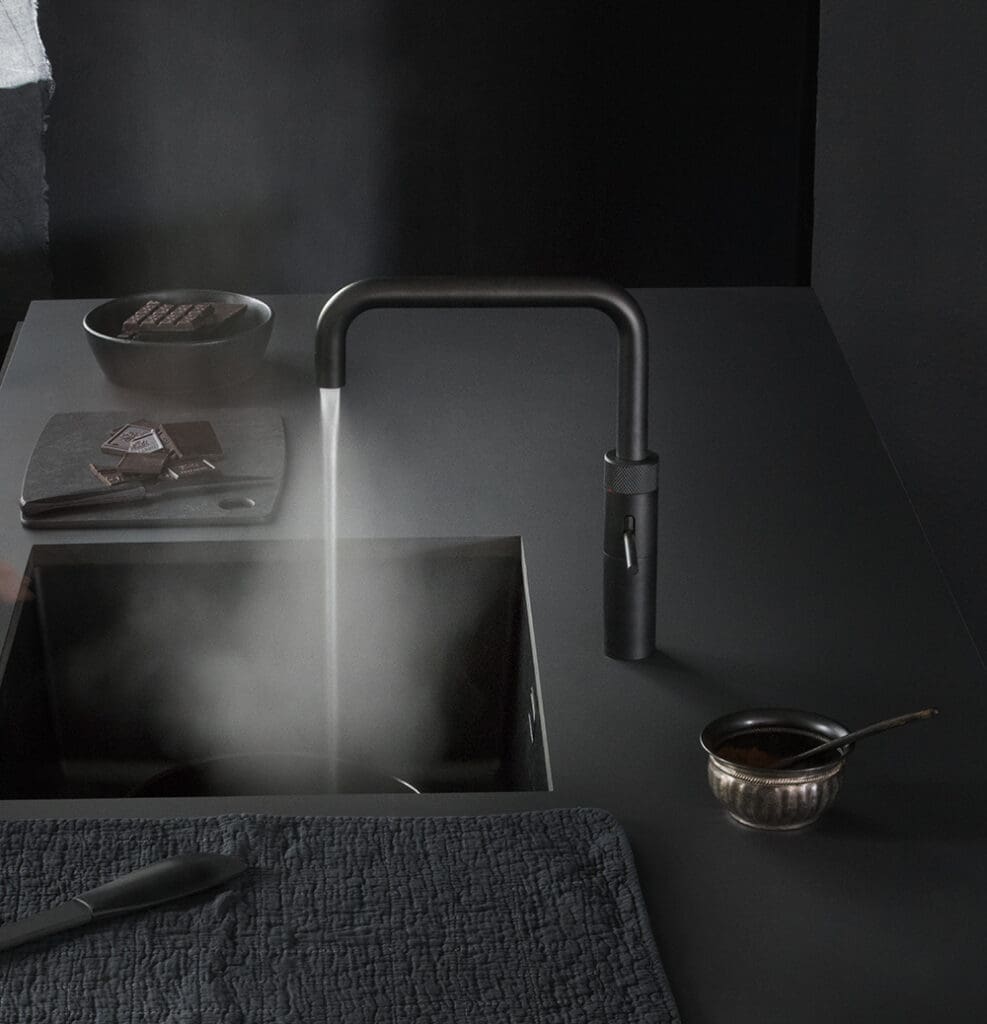
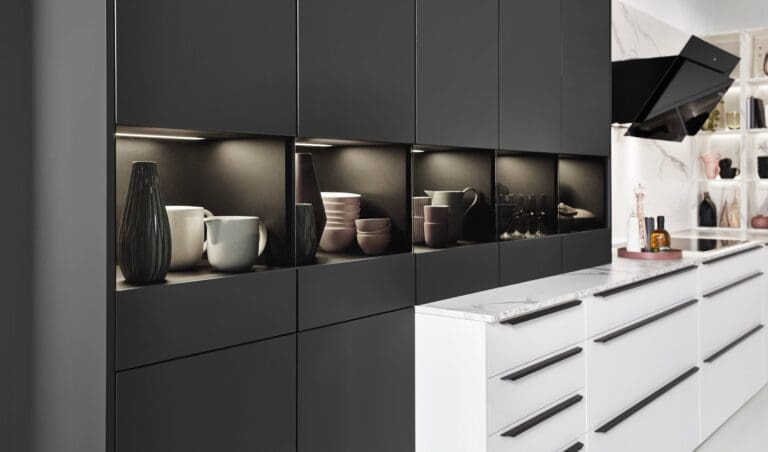
9. Matt Black Hardware
Matt black handles, taps, and fixtures are often used to introduce contrast, particularly in modern grey kitchens. Whilst they work well in the right conditions, they aren’t suited for every home.
Potential drawbacks:
- Can show watermarks and fingerprints
- May fade or wear over time
- Strong contrast may not suit all kitchen styles
Matt black hardware works best in modern spaces when used selectively rather than throughout the entire kitchen.
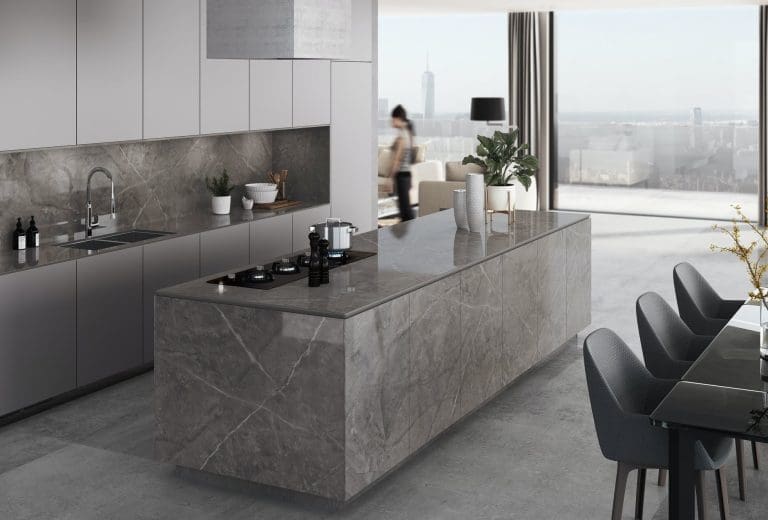
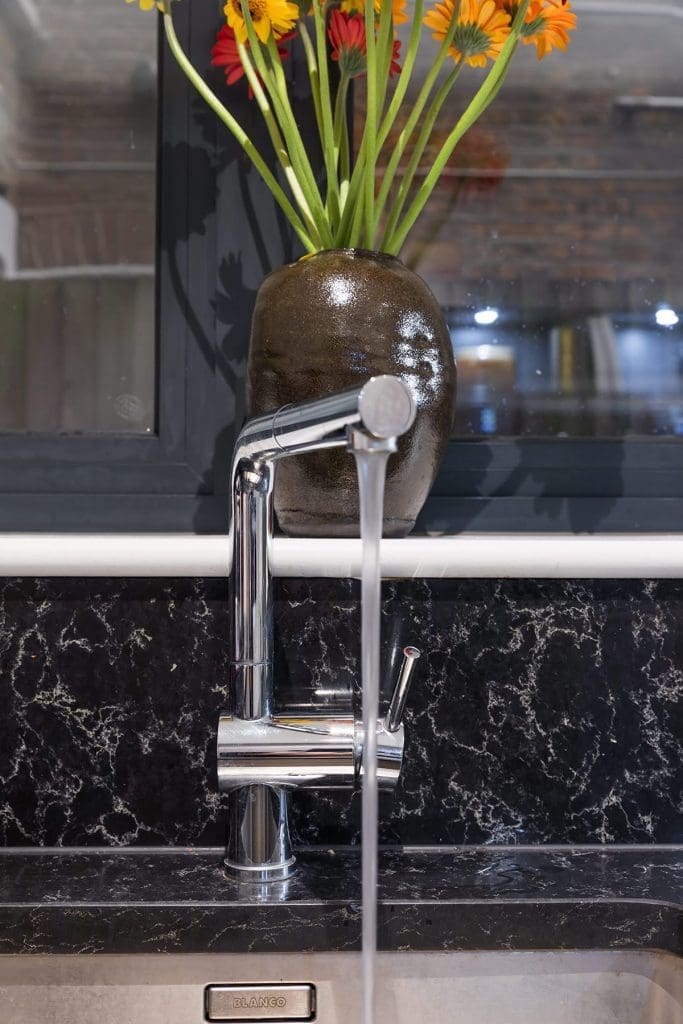
10. Granite Kitchen Worktops
Granite has traditionally been a popular worktop material, but preferences have shifted to more practical and stylish options in recent years.
Limitations of granite:
- Requires sealing and ongoing maintenance
- Can appear dated depending on pattern and finish
- Heavier and less uniform than some alternatives
Alternative materials to look at:
- Quartz for consistency and lower maintenance
- Porcelain for durability and modern visuals
Modern Kitchen Trends to Avoid Based on Your Home
Evaluating kitchen design mistakes to avoid? Your context is critical. When thinking of updating your kitchen, consider the following for:
- Prioritise durability and easy cleaning
- Avoid high-maintenance features like gloss cabinets or open shelving
- Avoid overly dominant patterns or heavy styles
- Focus on lighter tones and smart storage
- Avoid fully open layouts without structure
- Introduce zoning to manage noise and flow
Final Thoughts
Modern kitchen trends can offer useful ideas, but their long-term success depends on how well they align with everyday use in your home. The most effective kitchens are those that balance aesthetics with practicality, allowing for flexibility as household needs change over time.
By understanding which kitchen trends to avoid and why they may not perform well in certain contexts, you can approach kitchen planning with greater clarity. Rather than focusing solely on current styles, prioritising usability, material balance, and adaptability will help to create a kitchen that is durable and adaptable for your needs.
Author’s Note
This guide has been prepared using the combined insight from independent kitchen retailers within our Kitchen Experts network. It is designed to help homeowners consider kitchen design mistakes to avoid for long-term functionality, and with design flexibility in mind.
FAQs
1. What are the most common kitchen trends to avoid?
Common trends include all white kitchens, high gloss cabinetry, open shelving, and overly minimalist designs due to maintenance or practicality issues.
2. Are open-plan kitchens a bad idea?
Not necessarily, but fully open layouts can create noise and smell issues without proper zoning.
3. Why are high gloss kitchens less practical?
They tend to show fingerprints, smudges, and scratches more easily than matt finishes.
4. Do grey kitchens go out of style?
Grey kitchens remain popular, but using only grey without contrast can make a space feel flat.
5. Are patterned splashbacks a good choice?
They can work in some cases but may date quickly and limit future design flexibility.
6. Is open shelving practical in kitchens?
It can be useful in small amounts but often requires more maintenance and organisation.
7. How can I avoid choosing the wrong kitchen trend?
Focus on usability, maintenance, and long-term flexibility rather than short-term visual appeal.